






MicrotracBELは、ガスおよび蒸気吸着量、BET比表面積、細孔径分布を測定するためのさまざまな分析装置を開発、製造、販売しているリーディングカンパニーです。測定機器は、ガス吸着技術を使用して、多孔質および非多孔質の粉粒体材料を分析します。 MicrotracBELの製品は、研究開発(R&D)、品質管理(QC)、品質保証(QA)で世界中で使用されています。
吸着とは
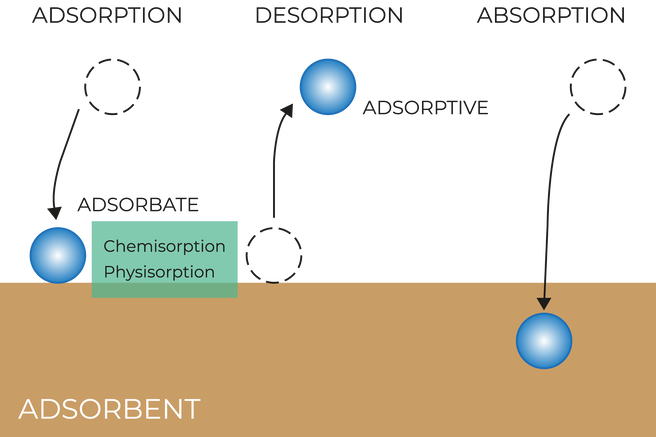
吸着状態
ガス吸着法は、機能性材料の構造や表面状態を評価するための重要な分析手法です。触媒、医薬品、エネルギー、環境など幅広い分野で利用されており、ガス/蒸気吸着等温線を測定することで、比表面積、細孔径分布、細孔容積、さらには表面特性といった、材料の性能や機能に大きく関わるデータを得ることができます。
MICROTRACでは、高精度かつ再現性に優れたガス/蒸気吸着量測定装置を提供しており、ISO 9277 や ISO 15901-2 などの国際規格にも準拠しています。当社の製品は、研究開発から品質管理まで幅広い用途に対応しており、材料特性のより深い理解と最適化を支援します。
なぜ、ガス吸着法が必要なのか?
気体分子は、ファンデルワールス力などの相互作用によって固体表面に引きつけられ、その界面に集まる(濃縮する)ことがあります。この現象を”吸着 ”と呼びます。 一定の温度のもとで、圧力を変えながら気体の吸着量を調べることで、多孔性材料の構造を評価できます。たとえば、次のような特性が求められます。
- 比表面積(BET法 など)
- 細孔径分布(BJH法、SF法といった従来法や、GCMC・DFT 法などの新しい解析法)
- 全細孔容積(Gurvich 則 など)
- 吸着材(活性炭など):表面積が大きいほど吸着量が増える
- 触媒:表面積が大きいほど反応に有効な活性点が多くなる
- 電池材料:表面積が大きいほどエネルギー密度やイオン輸送に有利
- 医薬品:表面積が大きいほど水中での溶解が速くなる
ガス吸着評価が重要となる産業分野
触媒および石油化学工学
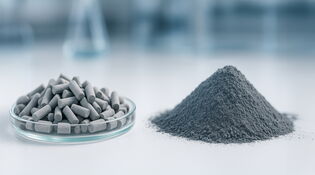
触媒効率は表面積と利用可能な細孔性に大きく依存します。ガス吸着分析装置は、アルミナ、ゼオライト、活性炭などの触媒担体の有効性を定量化するのに役立ちます。正確なBET表面積測定は、品質管理、化学反応器の最適化、触媒寿命の延長を可能にします。
医薬品

USP <846>などのコンペンディアによって規制されているように、医薬品原薬の比表面積分析は製品挙動を制御するために不可欠です。ガス吸着は、一貫した放出プロファイル、バイオアベイラビリティ、および錠剤の性能に必要なデータを提供します。
エネルギー貯蔵と変換

バッテリー電極、スーパーキャパシタ、水素貯蔵材料は、表面積と細孔のアクセス可能性のバランスが求められます。ガス吸着は、多孔質カーボンや金属有機構造体(MOF)などの材料を最適な充放電効率のために評価する上で鍵となります。
環境技術

ガス吸着測定は、CO2やVOCなどのガスを捕捉または分離する材料を開発するために使用されます。室内空気清浄機から産業用スクラバーまで、吸着剤の性能は、全ガス吸着量、表面積、および細孔構造の分析によって決定されます。
建設および先端材料
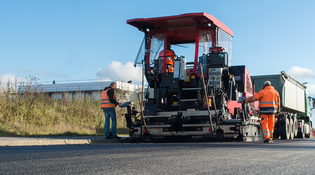
建設、セラミックス、ろ過媒体において、多孔性は強度、耐久性、流体透過性に影響を及ぼします。ガス吸着技術は、構造的および熱的用途の両方で適用されるエアロゲル、モルタル、多孔質セラミックスなどの材料を特性評価するために使用されます。
コア技術:マノメトリック法(定容量法)
コア技術:マノメトリック法(定容量法)
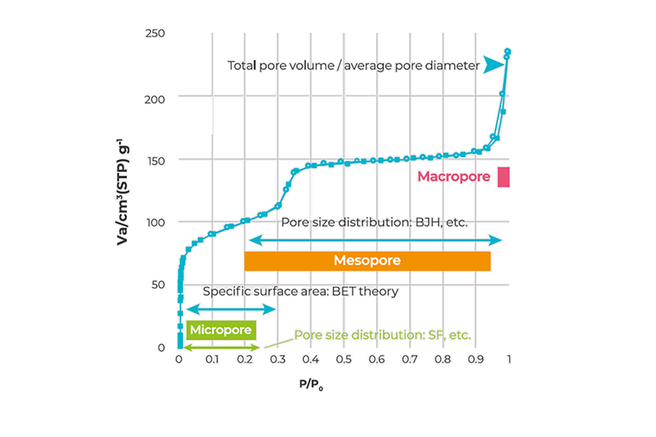
ガス吸着測定で最も広く用いられるのが、マノメトリック法(定容量法)です。この方法では、あらかじめ体積が分かっている吸着ガス(通常は窒素またはアルゴン)を真空下で試料に導入し、試料に吸着する過程で生じる圧力変化から吸着量を測定します。測定によって得られる吸着等温線(吸着量と相対圧 P/P₀ の関係)を利用して、各種解析を行います。 主な測定の流れ:
- 前処理 (脱気): 吸着等温線測定前に試料を加熱し、真空下で試料に吸着している水分や不純物を取り除きます。
- 吸着測定:物理吸着測定では、試料を液体窒素(77 K)または液体アルゴン(87 K)で冷却し、安定した低温環境下で測定を行うのが一般的です。
- 吸着平衡: 吸着点ごとに少量のガスを導入し、吸着平衡(吸着量変化/圧力変化が無い状態)に達した際の圧力(平衡圧)と吸着量を測定します。
標準規格
ISO9277(BET理論)
Brunauer–Emmett–Teller(BET)法は、比表面積を算出するうえで、信頼性の高い標準的な手法です。この方法は吸着層が多分子層を形成することを仮定しているため、II型、IV型の吸着等温線では 相対圧(P/P₀ )が 0.05~0.30の範囲(ただし、I型の吸着等温線は例外)で適用されます。 BET比表面積は、BETプロットから取得した単分子吸着量を基に、以下のパラメータを使用して計算されます。
- 吸着質の分子占有断面積 (例:窒素分子 N₂ は 0.162nm²)
- アボガドロ定数
- 標準状態でのモル体積
ISO15901-2(毛管凝縮理論:BJH法など)
Barrett–Joyner–Halenda(BJH)法は、吸着等温線の脱着過程(脱着曲線)を解析することで、メソ孔(細孔径2~50 nm)の細孔径分布を求める代表的な手法です。この手法では、細孔形状を円筒状と仮定して、毛管凝縮によって生じる圧力変化と細孔径の関係をケルビン方程式に基づいて解析し、厚み(t)の補正を行うことで細孔径分布を算出します。理想的な円筒状の材料であれば、脱着枝から細孔径分布を求めることができます。 BJH法は、以下のような材料に適しています。
- シリカゲル
- 多孔質ガラス
- メソポーラスシリカ など
ISO15901-2(熱統計力学モデル:GCMC法とDFT(NLDFT/QSDFT)法)
密度汎関数法(DFT)、非局在化密度汎関数法(NLDFT)、クエンチドソリッド DFT(QSDFT)ならびにグランドカノニカルモンテカルロ(GCMC)法、は熱統計力学に基づき、多孔質材料へのガス吸着をモデル化した高度な細孔径分布解析手法です。
従来法とは異なり、GCMC法やDFT法は、さまざまな細孔形状・細孔径において、細孔内密度(吸着量)を正確に算出することができます。特に、活性炭やゼオライトのようなミクロ孔材料やミクロ孔からメソ孔を持つ材料の細孔径分布を高精度に評価できることが特長です。
主な特長
- 高分解能な細孔径分布解析
- 多様な吸着質や細孔形状に対応
- 解析ソフトウェアBELMasterには59種類ものカーネルライブラリを搭載
ISO15901-2(吸着質の選択)
ガス吸着測定では、使用するガスによって材料の表面状態や測定できる細孔径吸着ガスの選択は、材料の表面状態や細孔へのアクセス性に影響を与えるため、非常に重要です。The selection of gas affects sensitivity and pore accessibility:
- Nitrogen (N2, 77 K): Standard for BET and mesopore analysis. Well-characterized and widely accepted.
- Argon (Ar, 87 K): Preferred for micropore analysis due to its non-polar nature and smoother adsorption behavior.
- Krypton (Kr, 77 K): Used for low surface area materials (<1 m²/g). Its low saturation pressure increases sensitivity for small sample surfaces.
- Carbon Dioxide (CO2, 273 K or 298 K): Ideal for probing ultra-micropores (<0.7 nm), which are often inaccessible to nitrogen at 77 K due to kinetic restrictions and slower diffusion rates.
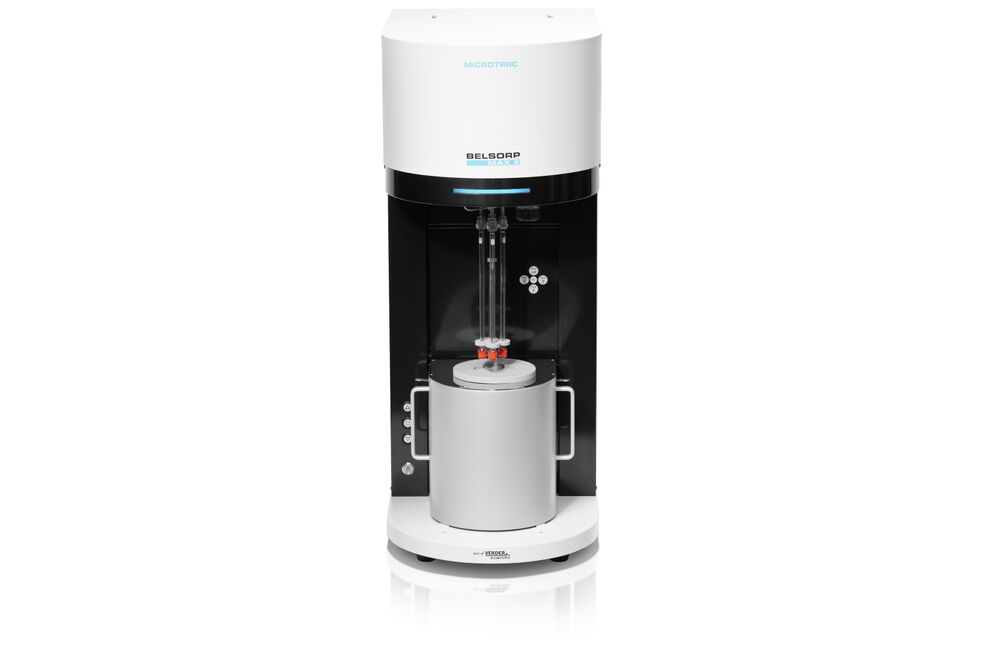
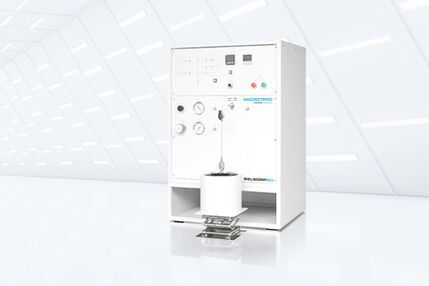
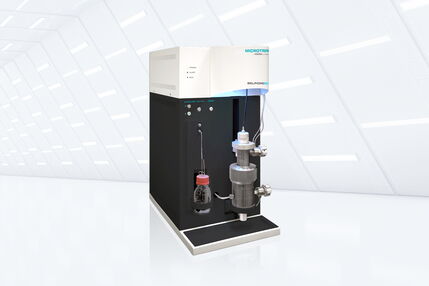
Microtrac Gas Adsorption Analyzers: Engineered for Precision
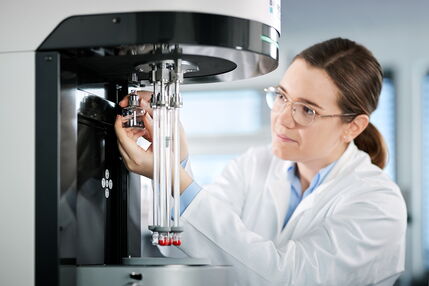
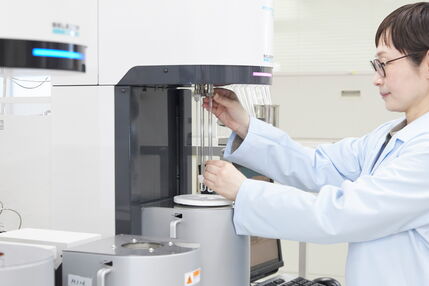
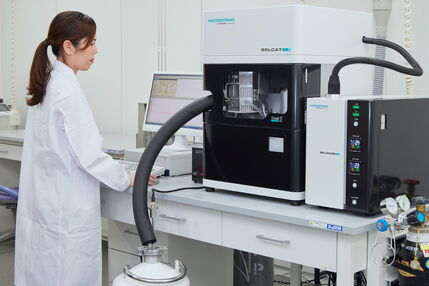
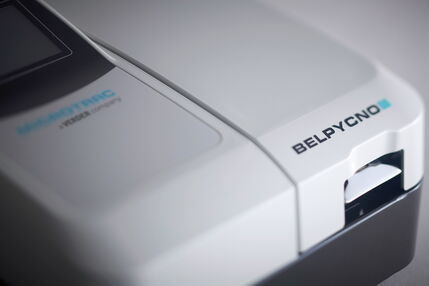
Microtrac’s portfolio of gas adsorption analyzers is designed to deliver maximum reliability, compliance, and ease of use. Key features include:
Conclusion: Precise Gas Adsorption Measurement for Confident Material Design
Gas adsorption is not just a laboratory technique - it is a gateway to understanding how materials behave in real-world applications. Accurate surface area and porosity data can inform:
- Material selection
- Product formulation
- Regulatory approval
- Performance optimization
Microtrac’s gas adsorption analyzers empower users to obtain this information quickly, reliably, and in full compliance with international standards. Whether you're testing catalysts, refining pharmaceutical powders, or exploring next-generation adsorbents, we have the adsorption equipment to support your goals.
Learn more about our Gas Adsorption Measurement instruments and how we can help you bring material innovation to life.
ガス吸着測定-よくある質問
What is gas adsorption used for?
Gas adsorption is used to determine surface area, pore size distribution, and gas-solid interactions. It is essential for industries like catalysis, energy, and pharmaceuticals.
What is the difference between physisorption and chemisorption?
Physisorption involves weak van der Waals forces and is reversible, while chemisorption involves stronger chemical bonds and is often irreversible. Both are studied using gas adsorption methods.
How do gas adsorption analyzers work?
Gas adsorption analyzers measure the quantity of gas adsorbed on a solid material at varying pressures. This data is used to calculate surface area and porosity using models such as BET or BJH.
What gases are commonly used in gas adsorption?
Nitrogen is the most common gas due to its inertness and consistency. Other gases like argon, CO2, or krypton may be used for specific materials and applications.