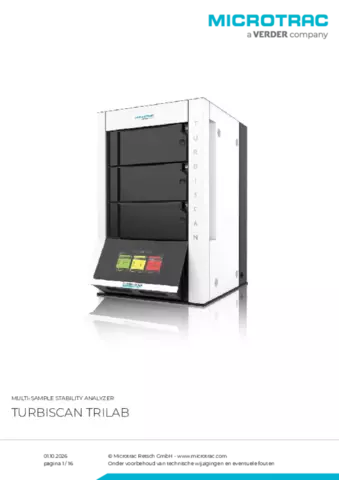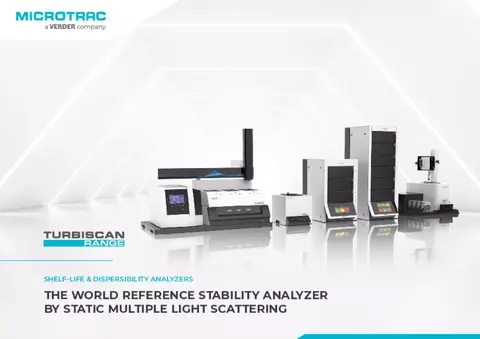





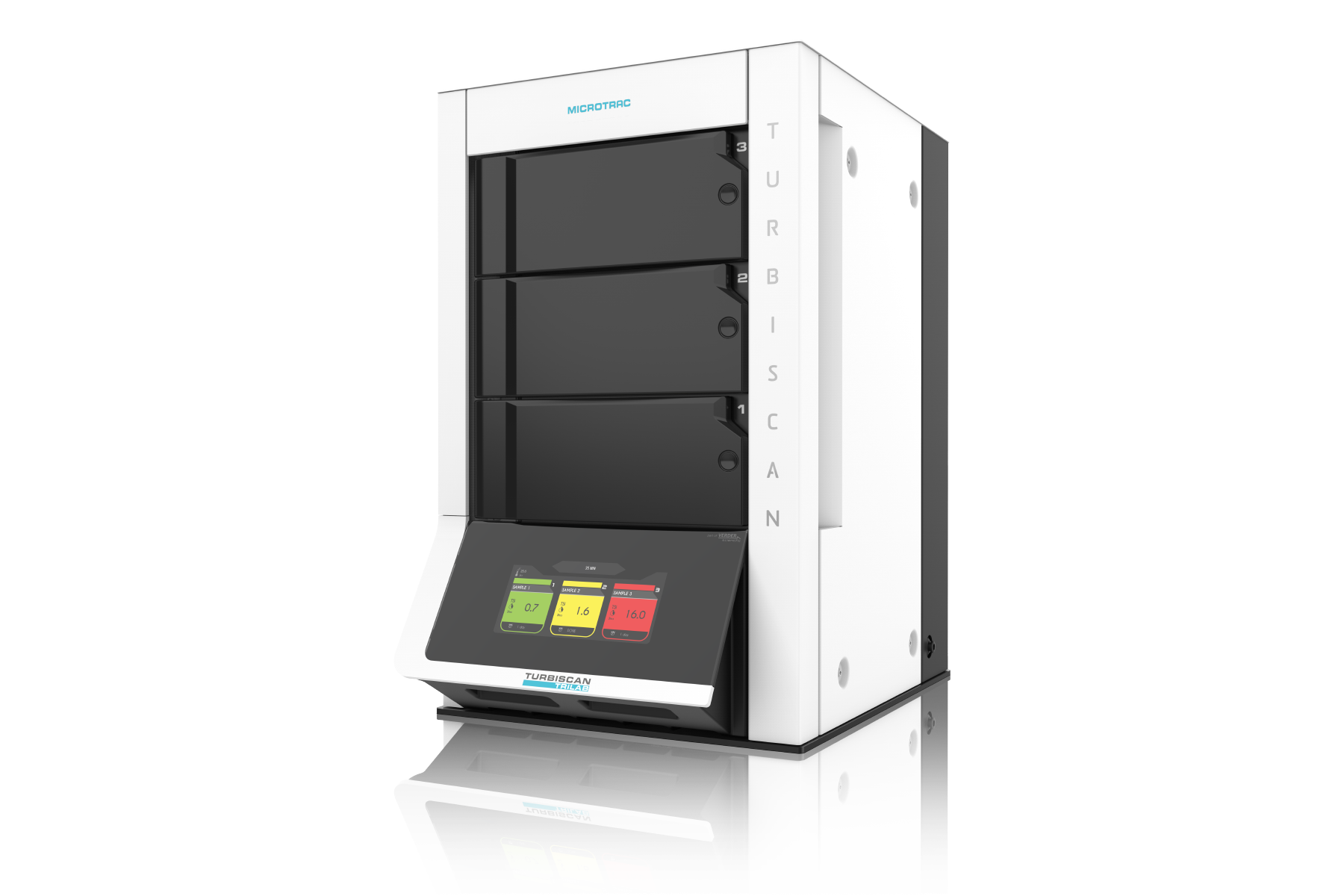
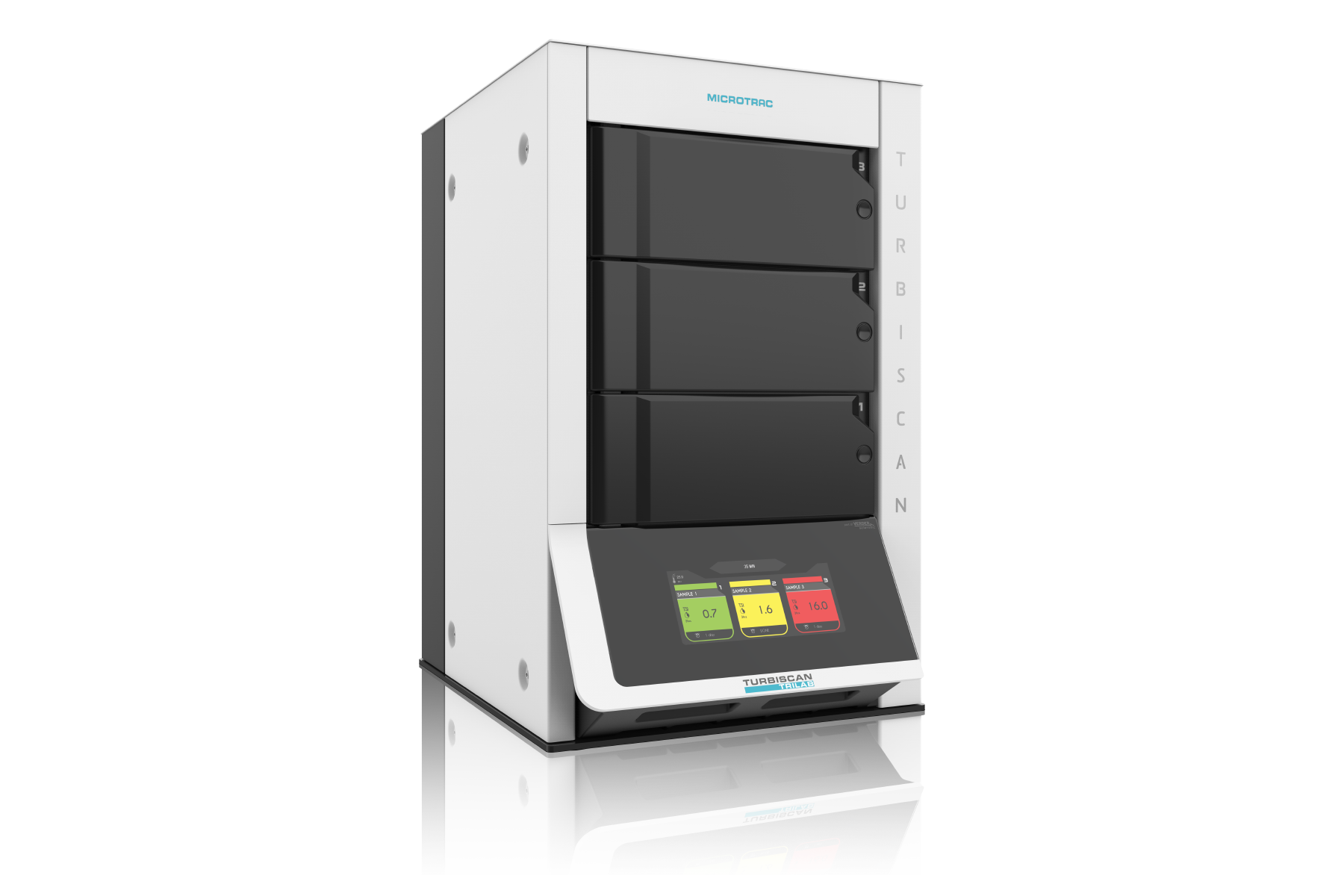
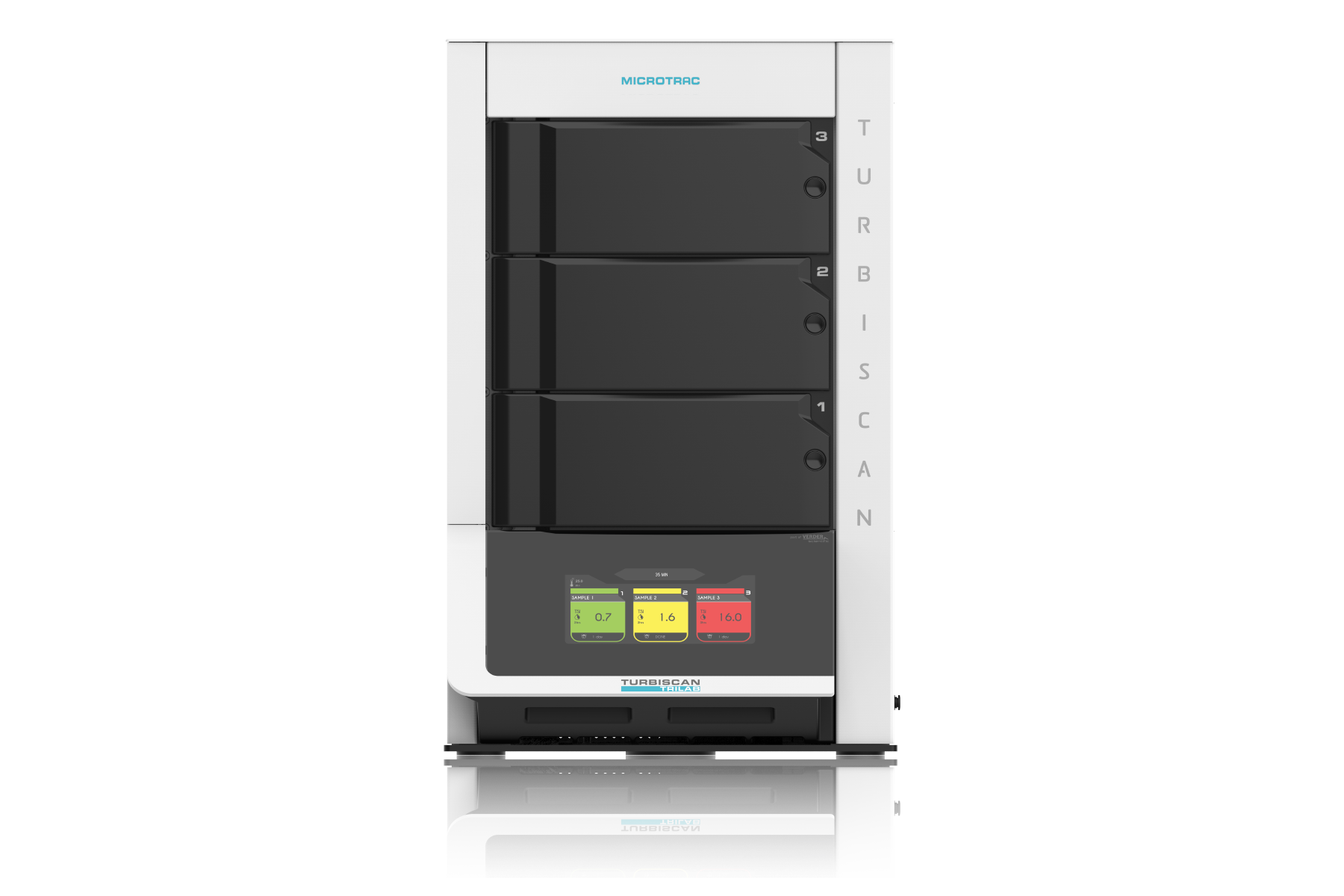
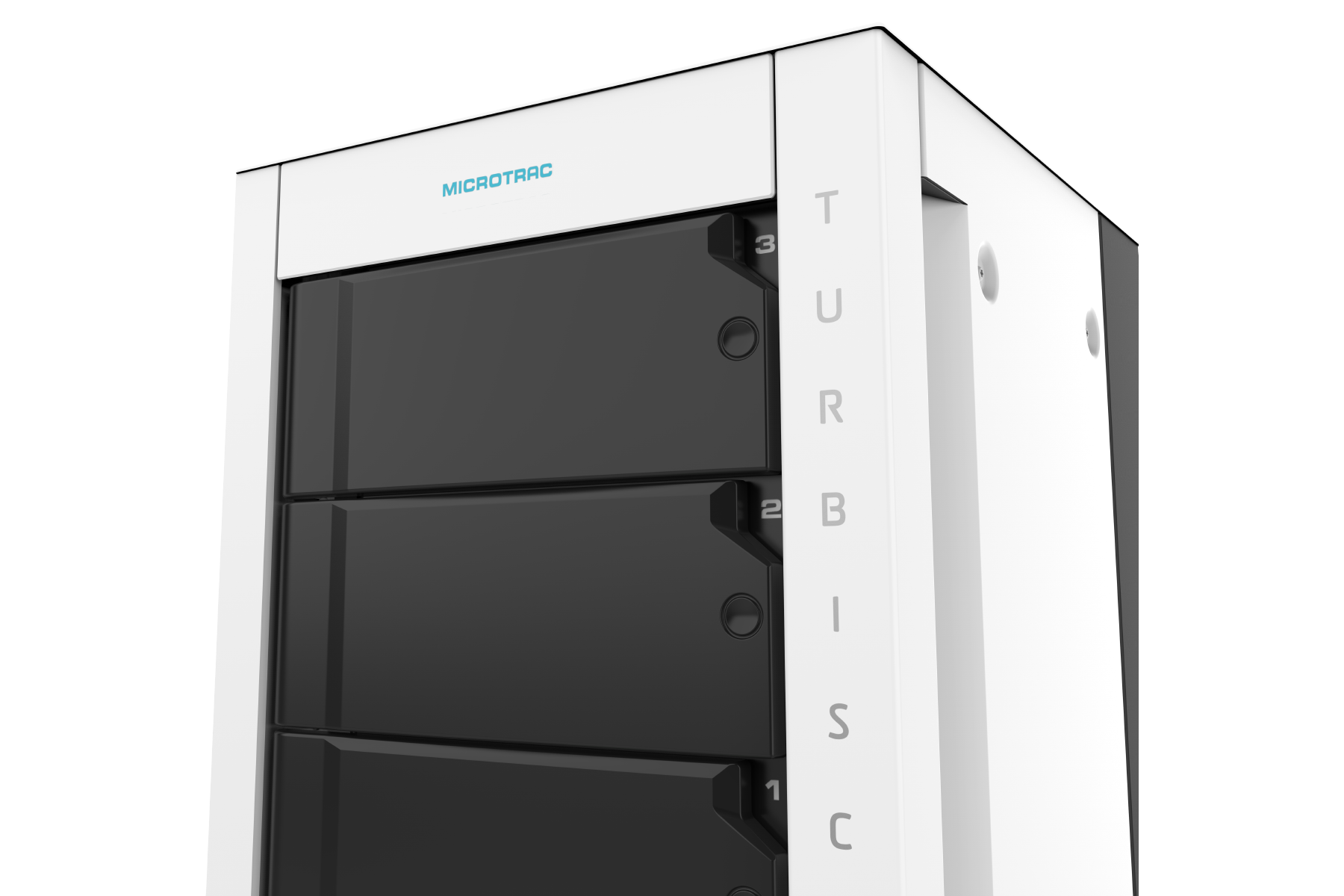
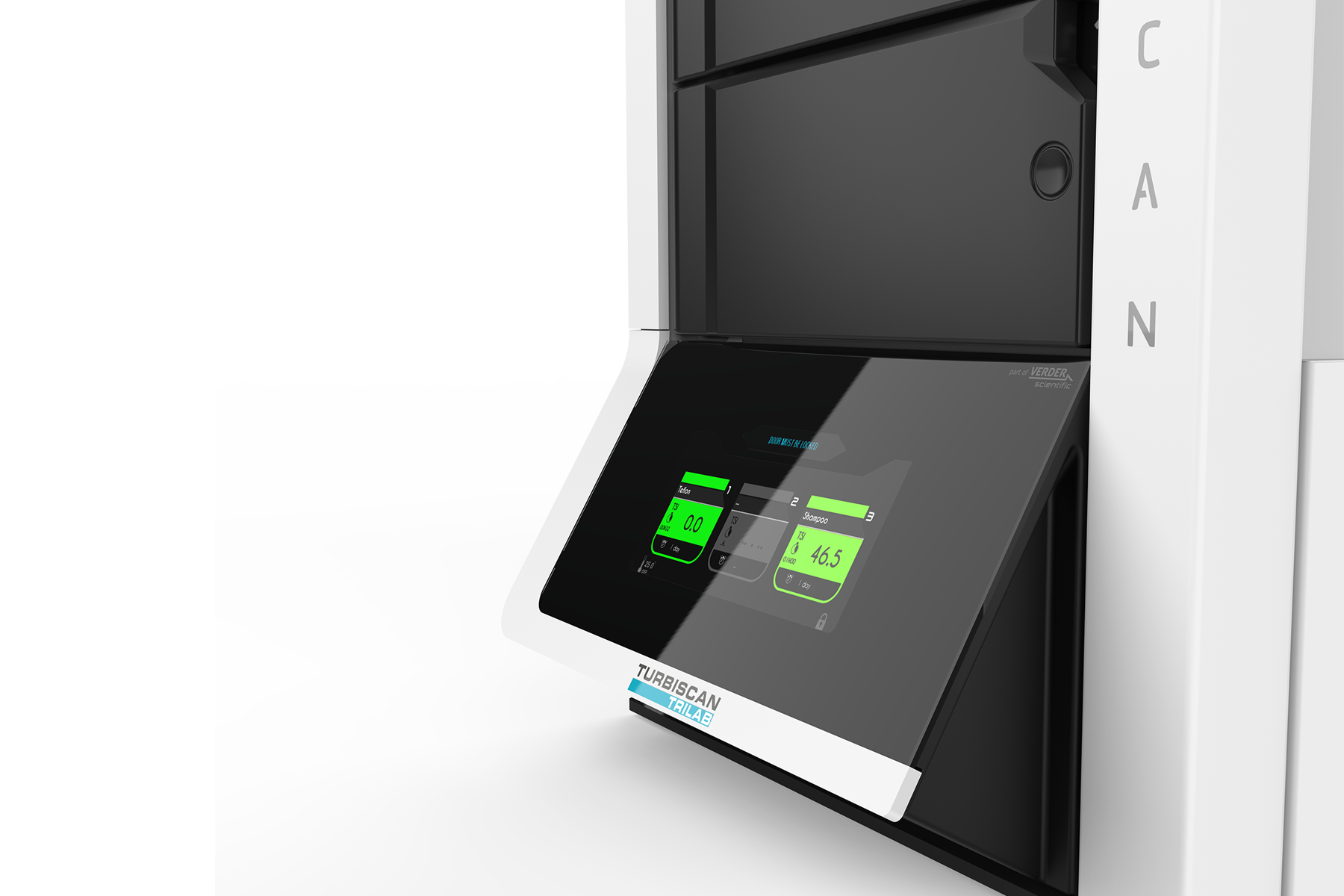

The TURBISCAN TRILAB is a macroscopic and colloidal stability analyzer based on SMLS technology and designed to measure multiple samples. It enables fast and reliable stability analysis of formulations (emulsions, suspensions, foams) and offers several advantages for analyzing the stability of dispersed systems. The TURBISCAN TRILAB allows the simultaneous and independent analysis of up to 3 samples, saving time and resources. It also offers a comprehensive and quantitative characterization of the physical phenomena involved in destabilization such as sedimentation, creaming, flocculation or coalescence. The extreme sensibility of SMLS technology not only saves time, but also offers accelerated stability tests by varying the temperature (20 to 60°C) and follows ISO recommendations (ISO/TR 13097:2013, ISO/TR 18811:2018). The stability measurement is carried out by a non-invasive, non-destructive measurement, whereby the integrity and originality of the samples is preserved. The TURBISCAN technology guarantees the direct measurement of macroscopic and colloidal stability without dilution or mechanical stress.
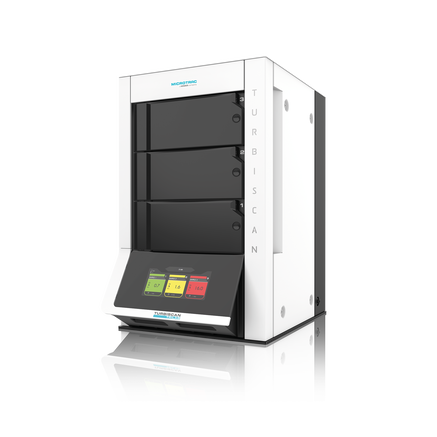
* Image shows new product design – available starting April 2024
Multi-sample stability analyzer TURBISCAN TRILAB The World Leader in Stability Analysis
- Accelerated destabilization detection – up to 1,000 x faster than visual observation thanks to SMLS
- 3 independent measurement positions
- Real stability: sample stability analysis without the need for dilution or mechanical stress, in concentrations up to 95%
- One-click stability ranking with the Turbiscan Stability Index
- Quantitative measurements of dispersion stability and shelf-life, migration velocity, particle size diameter, and other parameters
- One-click stability ranking with the Turbiscan Stability Index
- Laboratory space is precious: minimized instrument footprint
- Front LCD screen with measurement status and stability results
Multi-sample stability analyzer TURBISCAN TRILAB Toebehoren en Opties
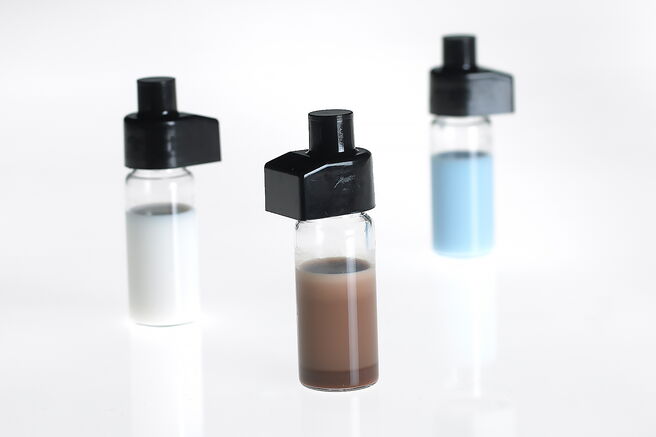
Several options are available to sample and test the stability of your products. From standard, disposable 20 ml vials glass vials to small volumes (down to 2 ml) and to match your specific needs (syringe type, very high viscosity sample ...). We got this covered!
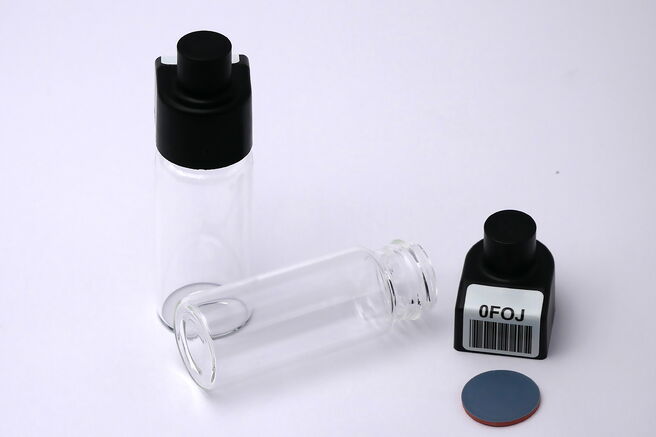
Standard Vials (20 ml)
Cylindric glass vials have a recommended volume of approximately 20 ml. They are disposable to avoid chemical or bacterial contamination and decrease labor costs for washing and drying. The vials are closed thanks to a cap and a disposable PTFE seal to prevent evaporation in case of elevated temperature. These vials are meant to reproduce your visual stability test.
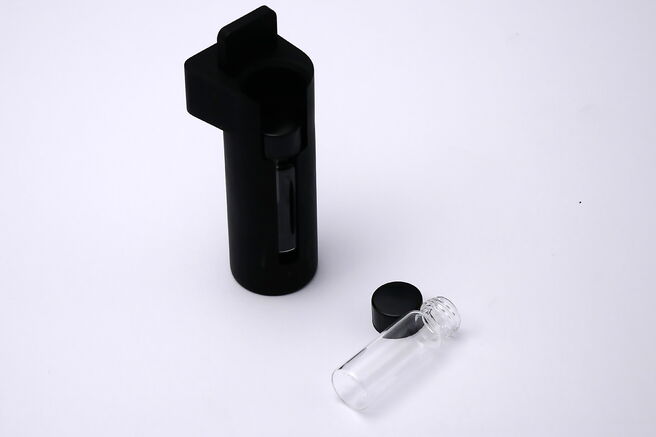
Small Volume (4 ml)
Small sample volume? No problem. Small-volume vials and the specific adapter are available. The measurement can be done with as few as 2 ml. Another good news: the sample can be fully recovered, and TURBISCAN measurement is non-contact / non-destructive.
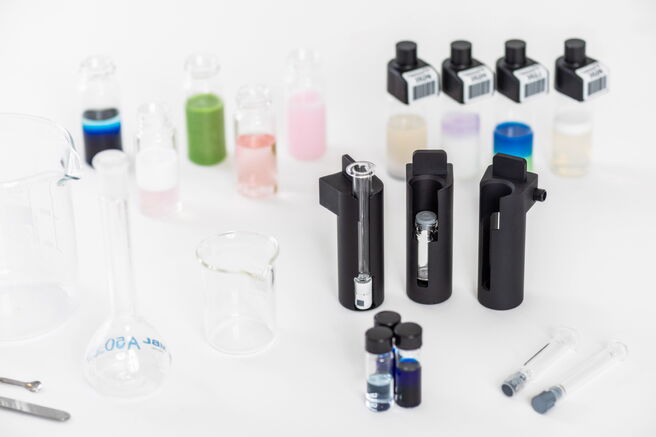
On-Demand Adaptors (for Syringes, Pressurized Vials)
You have special needs, and we understand this! Our development team loves challenges: on-demand adapters can be offered (pre-filled syringes, pressurized vials, ...). Perfect to study the stability in specific conditions (pressure) or for Quality Control.
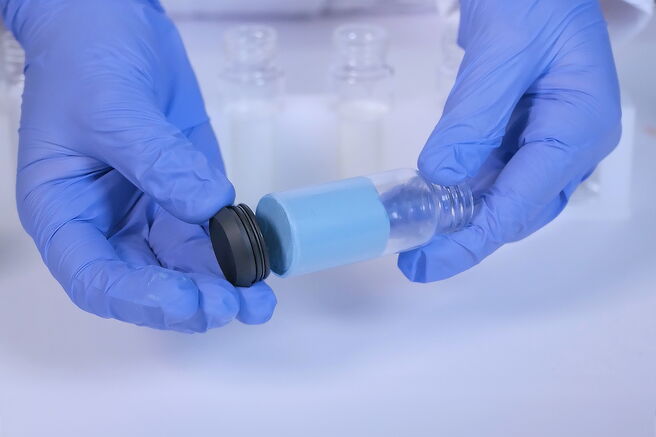
Open-Bottom cells - For Viscous and Fragile Samples
There are samples that are either difficult to transfer or too fragile to be poured – the coring vials set helps to bypass this problem. The open base (which is manually closed with a stopper) allows a sticky sample or foam to be easily removed with the coring vials.
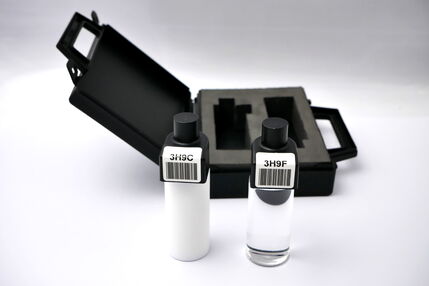
Kalibratiestandaarden
Elke TURBISCAN wordt geleverd met een set standaarden om de instrumentkalibratie te controleren. De TURBISCAN-software, DIMENSIONS TS, begeleidt u stap voor stap en zodra de procedure is voltooid, geeft de software een "OK"-signaal. De test en de resultaten worden opgeslagen, en de instrumentcontroleprocedure kan worden gevolgd.
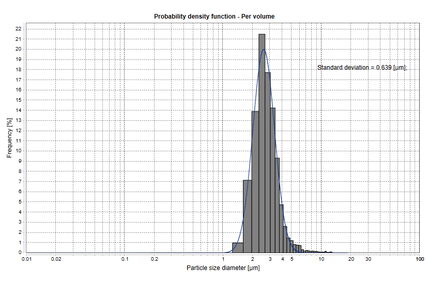
Particle Size Distribution
The TURBISIZE software can measure the distribution of particle size (ISO13317) and the distribution of migration speed for any data obtained with a TURBISCAN, without any need to dilute, prepare, or modify the sample.
Robuuste Software, Robuuste Resultaten DIMENSIONS TS voor de TURBISCAN TRILAB
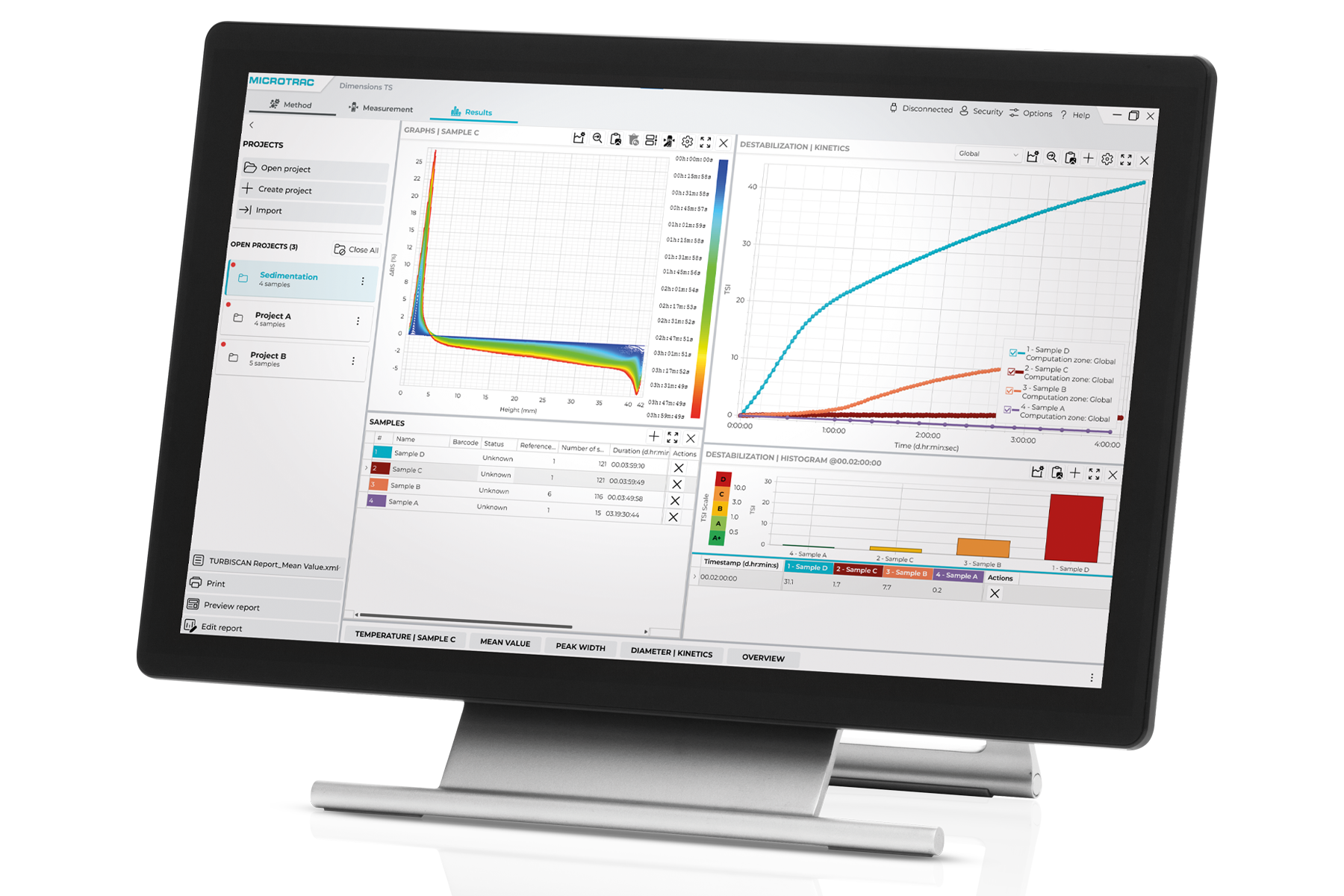
Gegevensverwerving, -analyse en -export worden naadloos beheerd met DIMENSIONS TS, de toegewijde en intuïtieve software die is ontworpen voor de TURBISCAN-reeks. Ontworpen voor efficiëntie, wordt DIMENSIONS TS voortdurend geoptimaliseerd om snellere, duidelijkere en bruikbare inzichten te leveren – waardoor gebruikers betrouwbare resultaten in slechts enkele klikken kunnen verkrijgen.
- Intuïtieve en gebruiksvriendelijke navigatie voor een naadloze ervaring van setup tot analyse
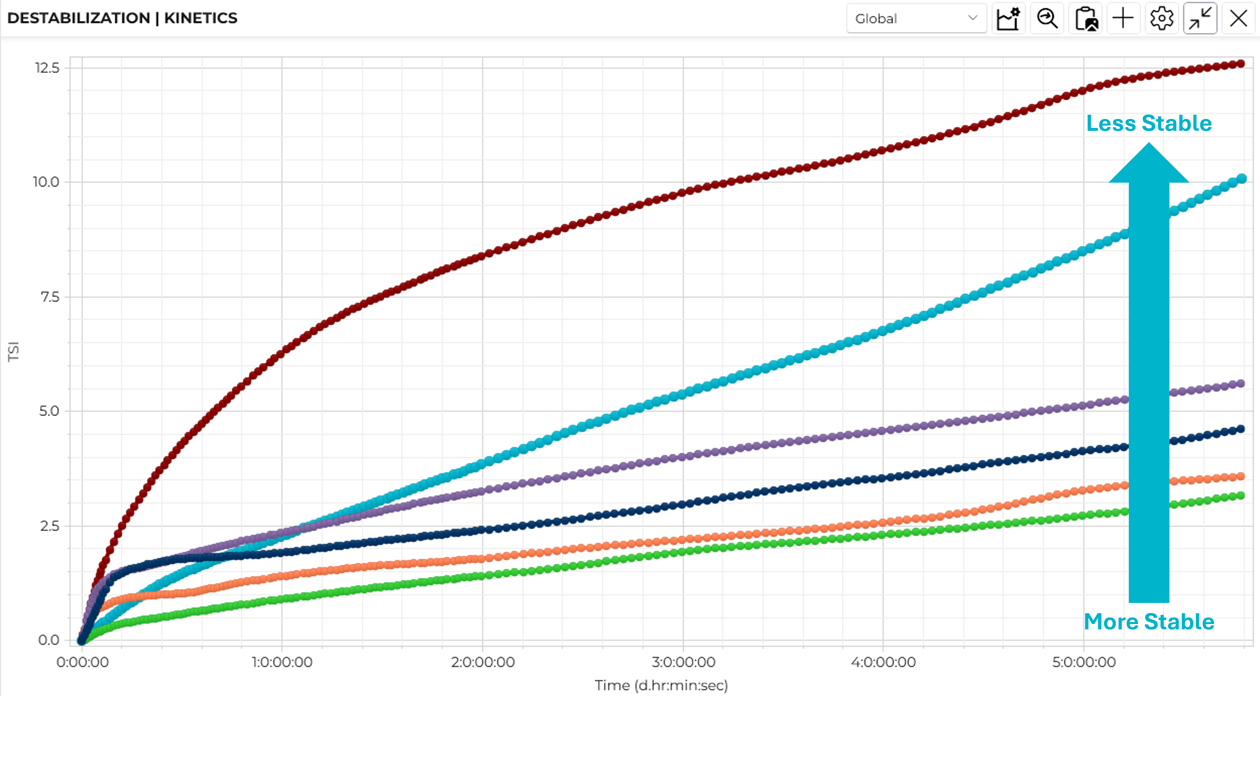
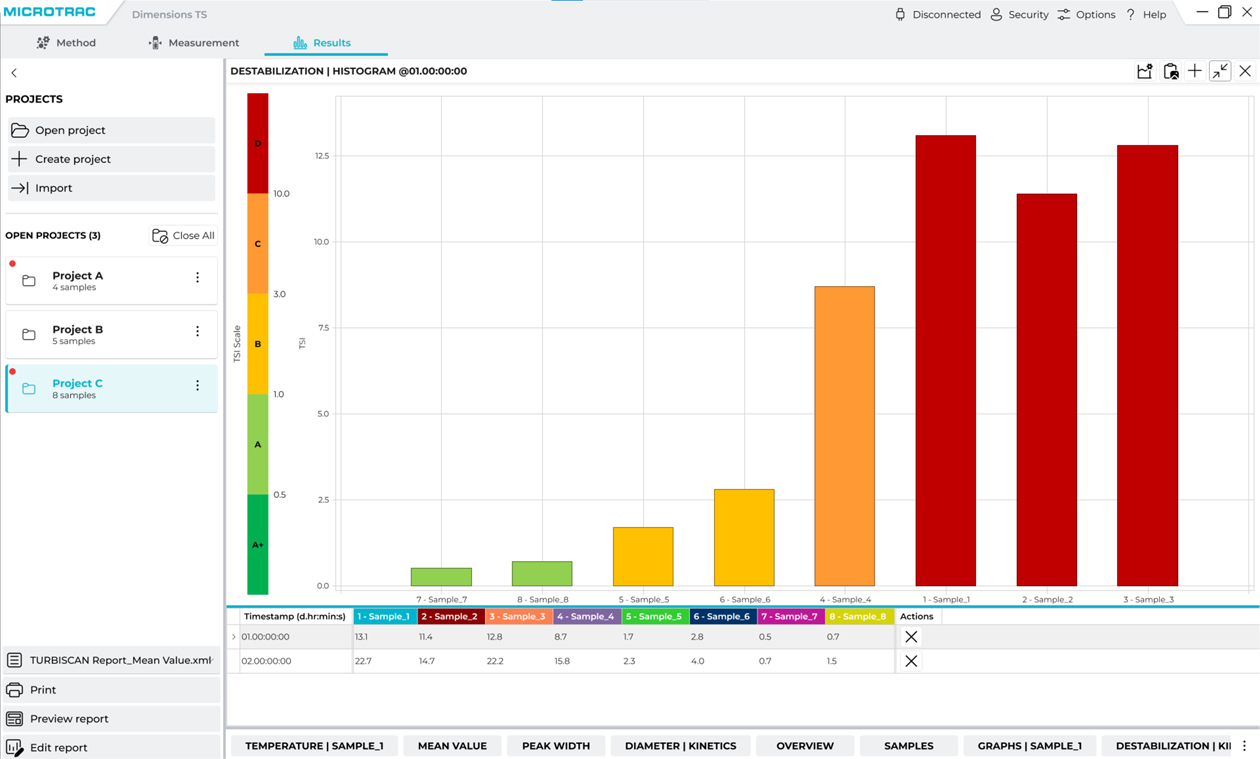
- Snelle en betrouwbare stabiliteitsvergelijking aangedreven door het bewezen TSI-algoritme
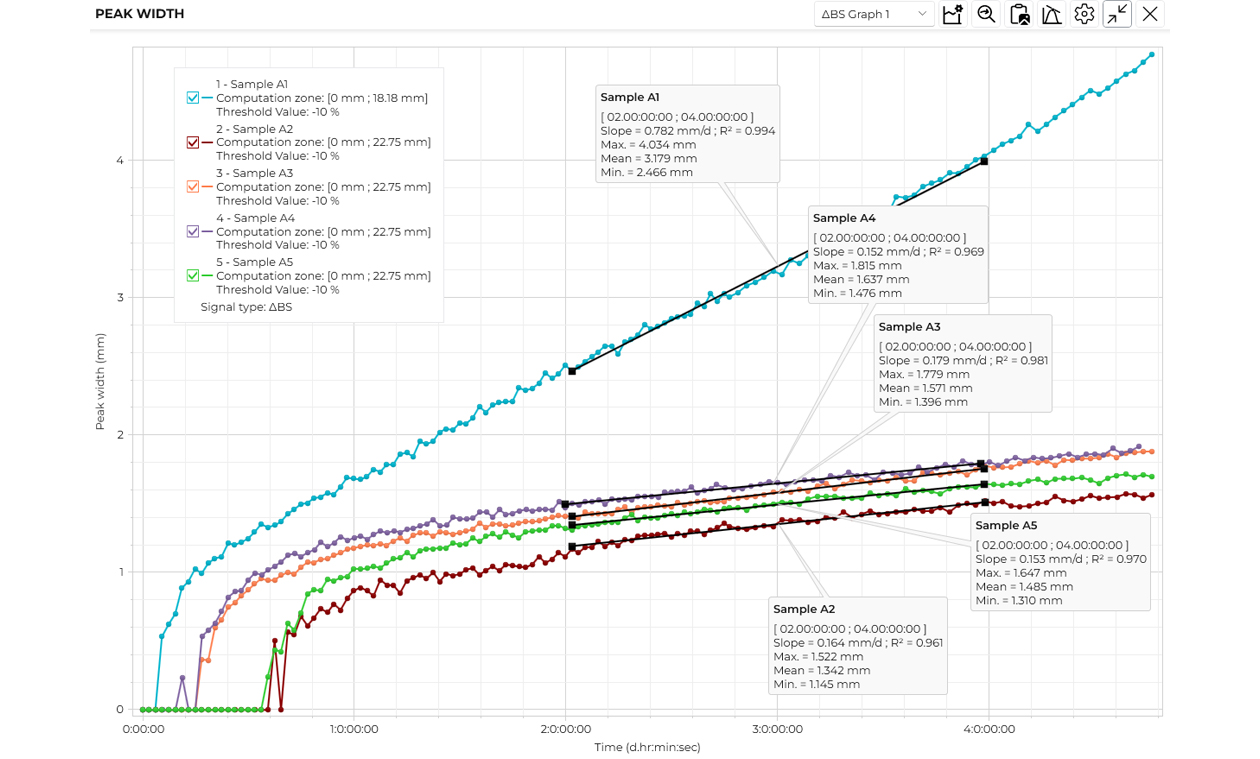
- Geavanceerde dataverwerkingshulpmiddelen voor diepgaande analyse: migratiesnelheid, evolutie van de deeltjesgrootte, fase-scheiding en meer
- Altijd up-to-date: gratis licentie met continue software-updates
- Flexibele multi-gebruikersmogelijkheid voor naadloos gebruik over meerdere werkstations
- Moeiteloze data-export, zo eenvoudig als kopiëren en plakken
- Volledig begeleide kalibratieverificatieprocedure voor verhoogd vertrouwen in de resultaten
- Meertalige ondersteuning
- Conform 21 CFR Deel 11, wat zorgt voor gegevensintegriteit en naleving van regelgeving
- Eén software, meerdere instrumenten: controleer meerdere apparaten tegelijk vanaf één computer
Multi-sample stability analyzer TURBISCAN TRILAB Typische Toepassingen
Whenever you are working with suspensions, emulsions, colloids, or foam, the TURBISCAN is your ideal characterization companion. The TURBISCAN series is used in various industries such as pharmaceuticals, cosmetics, food and beverage, paints and coatings, oil and gas, batteries, agrochemicals, chemistry, and much more.

emulsies
- Cosmetic creams and lotions
- Dairy products and beverages, flavor emulsions
- Pharmaceutical parenteral and topical forms
- Metalworking fluids
- Agrochemical: fertilizers, pesticides, ...
- Petroleum emulsion
suspensies
- Paints, inks, and coatings
- Drug & vaccine suspension
- Make-up and sunscreen
- Chemical & polymer industry
- Ceramics and catalysts
- Battery slurries
- Electronic slurries

colloidale suspensies & nanodeeltjes
- Drug delivery system: LNP, Liposomes, ...
- Research on nanoparticles and nanoparticle suspension
- Polymer and biopolymer dispersion
... en meer!
Multi-sample stability analyzer TURBISCAN TRILAB Top Applicatieopmerkingen
Ontdek praktische voorbeelden van hoe SMLS wordt gebruikt in een breed scala aan toepassingen en industrieën.


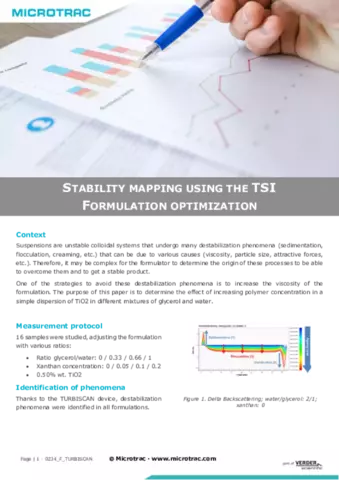
Toepassingsvoorbeelden
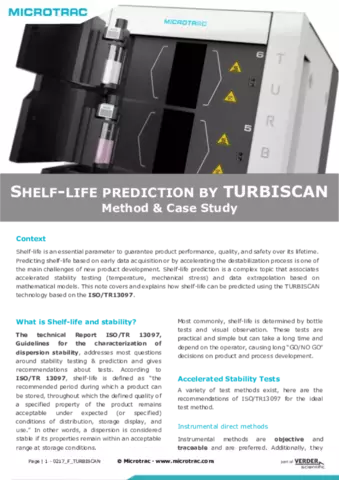
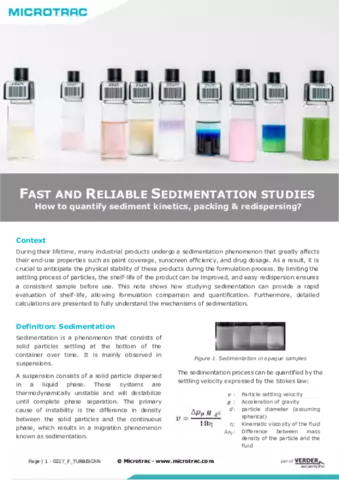
Fast Detection of Settling Particles Sedimentation
The TURBISCAN technology offers a significantly faster (up to 1,000 times) and more reliable detection of sedimentation compared to visual observation. Furthermore, naked-eye observation makes it difficult to calculate the migration rate and is prone to error and misinterpretation. In contrast, the TURBISCAN technology provides a fast and non-destructive way to detect and quantify sedimentation and particle size over time and can detect even small changes in highly concentrated samples without any dilution or mechanical stress. This makes it ideal for analyzing complex suspensions and formulations, and getting a quicker, reliable, and more accurate answer on sedimentation monitoring.
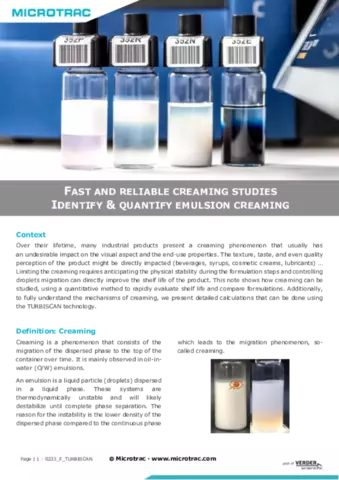
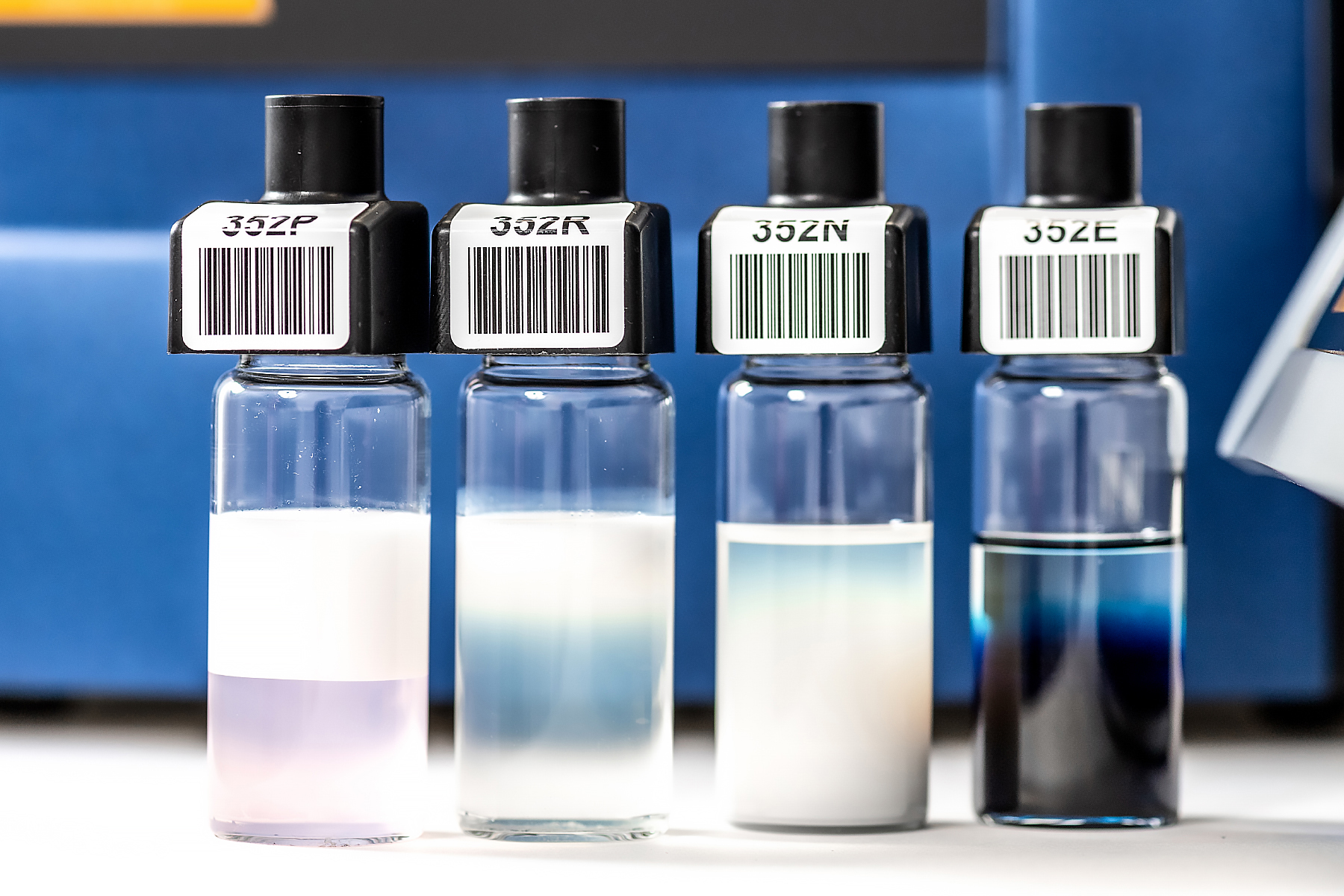
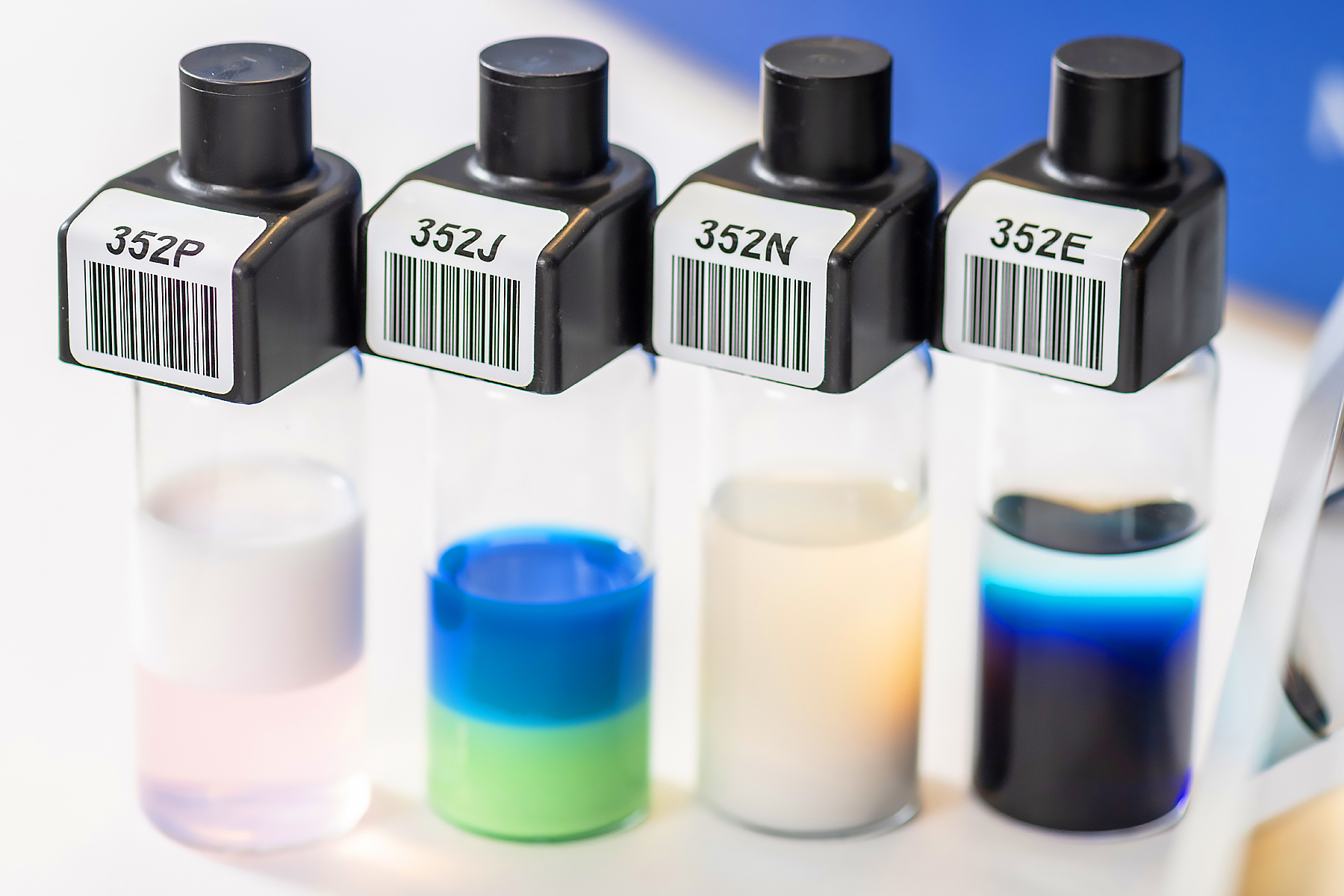
Fast Detection of Droplet Migration Creaming of Emulsions
When it comes to measuring droplet migration and creaming behavior in emulsion systems, the TURBISCAN technology has several advantages for formulators. On one hand, it provides a fast measurement (up to 1,000 times faster than visual observation) of native samples and a non-destructive way to detect and measure droplet migration. On the other hand, the migration rate can easily be determined and helps the formulator to compare formulas, making it ideal for analyzing complex emulsions with a wide range of droplet sizes and concentrations. Additionally, the TURBISCAN technology provides insights into the mechanisms driving droplet migration, which can be used to improve formulation and processing conditions. Overall, the use of TURBISCAN technology in emulsion analysis leads to faster, more accurate, and more reliable results compared to traditional methods.
Save Time to Measure Physical Stability Formulation: Stability Measurement and Shelf-Life Estimation
The TURBISCAN has been extensively used to measure the physical stability of formulations and colloidal systems. This technology helps the formulator to save time and precisely rank and quantify the samples’ stability in different trials or batches. It applies to native samples, even on very highly concentrated formulations. Not only saving time, the TURBISCAN also provides destabilization speed and metrics as well as robust analytics to make shelf-life predictions. The TURBISCAN technology follows ISO/TR 13097:2013’s recommendations and is ideal when it comes to quickly and accurately measuring stability. Stop the guesswork and make decisions based on facts!
What Can Be Measured Can Also Be Improved Stability Mapping: Emulsions and Suspensions
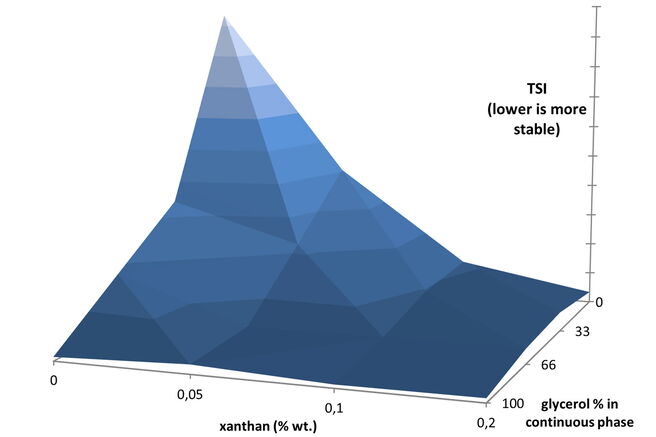
Measuring the stability of emulsions and formulations is traditionally done by visual observations. In addition to being long and tedious, the visual inspection of emulsion destabilization usually ends up with a pass / fail answer. This is suboptimal for fine-tuning the ideal concentration of surfactants or stabilizers to be added to reach the desired shelf-life. The TURBISCAN is a great help in this regard; not only does it save a huge amount of time to detect the destabilization, but it also provides a value based on the instability and ranks different formulas as a function of their shelf-life. It hence produces objective and repeatable data to make a better, greener, and safer product.
Stable Products for Safer and More Efficient Pharmaceutical Suspensions Vaccine and Parenteral Dispersions
Stability and shelf-life testing are essential for pharmaceutical products and drugs. Destabilization or instabilities in vaccines, parenteral dispersions, or pharmaceutical products can have a major impact on product efficacy, and in some cases, on patient safety. While many techniques are available, the TURBISCAN offers in-situ, non-dilution, and non-destructive measurements to detect destabilization and save time therein. It provides a clear, precise, and objective stability measurement, essential to making fast and right decisions in R&D or quality control. The TURBISCAN has been intensively used to study the stability and redispersion capability of vaccines, as well as of parenteral and injectable dispersions and providing scientists with a deep insight into the dispersion state and its evolution.
Homogenous Slurries for Higher Battery Performance Improving Battery Efficiency
There is an exponential demand for energy storage and batteries, either to cover our need for mobility and communication or to match environmental challenges. Lithium-ion batteries are the most widely used technology, and one of the key steps in developing and manufacturing them is the slurry formulation (used on the electrodes), ensuring the final battery quality. This slurry is usually highly concentrated and dark (due to a high concentration of carbon black) and using conventional light scattering techniques for evaluation is challenging or requires an important amount of dilution. The TURBISCAN has been successfully used to monitor the stability of these slurries and helps the formulator to optimize the formulation, test the production, and identify new raw materials.

Om de beste oplossing te vinden voor uw deeltjes-karakterisatie behoeften, kunt u onze toepassingsdatabase consulteren.
Multi-sample stability analyzer TURBISCAN TRILAB Technische Gegevens
| Automatic sample recognition (bar-code) | ja |
|---|---|
| CE Certified | ja |
| Afmetingen | 38 x 48 x 58 cm |
| Displacement interval max. resolution | 5 µm |
| Standaarden | ISO/TR 13097:2013, ISO/TR 18811:2018, ISO/TS 22107:2021, ISO/TS 21357:2022 |
| Measured size range | 10 nm - 1 mm |
| Golflengte | 880 nm |
| Meetprincipe | Static Multiple Light Scattering (SMLS) |
| Particle size distribution | ja (aanvullende software vereist) |
| Number of Samples | 1 - 3 |
| Reproducibility / Repeatability on latex standards | +/- 0.05% / 0.05% |
| Monster concentratie | 0.0001 - 95% v/v |
| Monstervolume | 2 - 20 mL |
| Scan step resolution | 20 µm |
| Software | DIMENSIONS TS |
| Temperature range | 20 - 60°C |
| Gewicht | 35 kg |
| Gegevensintegriteit en instrumentkwalificatie | Conform 21 CFR deel 11 en IQ/OQ beschikbaar |