





Gyógyszerészeti részecskeméret és stabilitás elemzés gyógyszerek
A részecskeméret, a morfológia és a szóródási stabilitás befolyásolja, hogyan viselkednek a gyógyszerható anyagok (API-k), a adalékanyagok és a kész formulák a fejlesztés és a gyártás során. Ezek a tulajdonságok befolyásolhatják a felszívódást, a porfolyást, a keverést, a tömörítést, a tartalomegyenlőséget és a szóródó, lipid alapú vagy inhalációs gyógyszerezettségű rendszerek teljesítményét.
A Microtrac kiegészítő analitikai technológiákat nyújt a gyógyszeripari részecskeméret elemzéséhez száraz porokban, folyékony eloszlatásokban, nanoporokban, emulziókban, porozitás anyagokban és aeroszolokban. Az eredmények támogatják a formulációfejlesztést, a folyamatmegértést, a módszerfejlesztést és a rutin minőségellenőrzést a nyersanyagok értékelésétől a késztermék vizsgálatig.

Kapcsolódjon össze a részecske tulajdonságait a gyógyszerészeti teljesítménnyel
Egy célhoz megfelelő részecskemutatási munkafolyamat segíthet a gyógyszerészeti tudóknak és minőségbiztosítási csapatoknak:
- Beállítsa és ellenőrizze az API-k és adalékanyagok részecskeméret-specifikációit
- Kezelöldség por morfológiájának összefüggése a folyási, keverési és kompaktálási viselkedéssel
- Vizsgálja meg a frezés, granulálás vagy más feldolgozási lépések által okozott változásokat
- Összehasonlítsa a részecskeméret és a stabilitási feltételeket a nanopartikula- és emulziós rendszerekben
- Értékelje a lipid nanopartikula stabilitását és más fejlett gyógyszerráthatósítási formulákat
- Jelölje meg a részecske vagy cseppméretet a belégési és orr-szállítógép rendszerekben
- Adjon hozzá felületi terület és pórusstruktúra információkat, ahol a felszívódási vagy kioldási viselkedés számít.
A leg hasznosabb technika a dózisformától, a várható méretkörtől, a mintastatusomtól és a kritikus minőségi kérdéstől függ. A kiegészítő mérések kombinálása olyan információkat is feltárhat, amelyeket egyetlen részecskameret eredménye nem tudna nyújtani.
API-k és excipiensek: A részecskeméret szabályozása a nyersanyagtól a formulációig
Az API szemcseszám elemzése fontos, mert a szemcseszám-eloszlás változásai befolyásolhatják a feloldódási viselkedést, a porkezelést és a formuláció konzisztenciáját. Az adalékanyagoknak is megfelelő karakterizációra van szükségük, különösen akkor, ha a méreteloszlásuk befolyásolja a keverést, a tömörítést vagy egy szilárd dózisformátum egyenletességét.
A lézerfénydiffrakció gyors részecskeméreteloszlásokat biztosít széles mérési tartományon, és száraz porokhoz vagy folyékony eloszlatásokhoz is konfigurálható. Gyógyszeripari fejlesztéshez és minőségellenőrzéshez hasznos a nyersanyag-batchok összehasonlítására, a folyamatváltozások monitorozására és annak vizsgálatára, hogy a molyásítás vagy eloszlatási feltételek elmozdították-e a részecskeméretprofilt.
Összehitzés a méretelosztás és a részecskaképzetek Sync segítségével
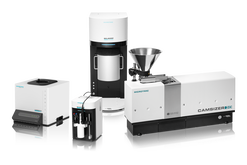
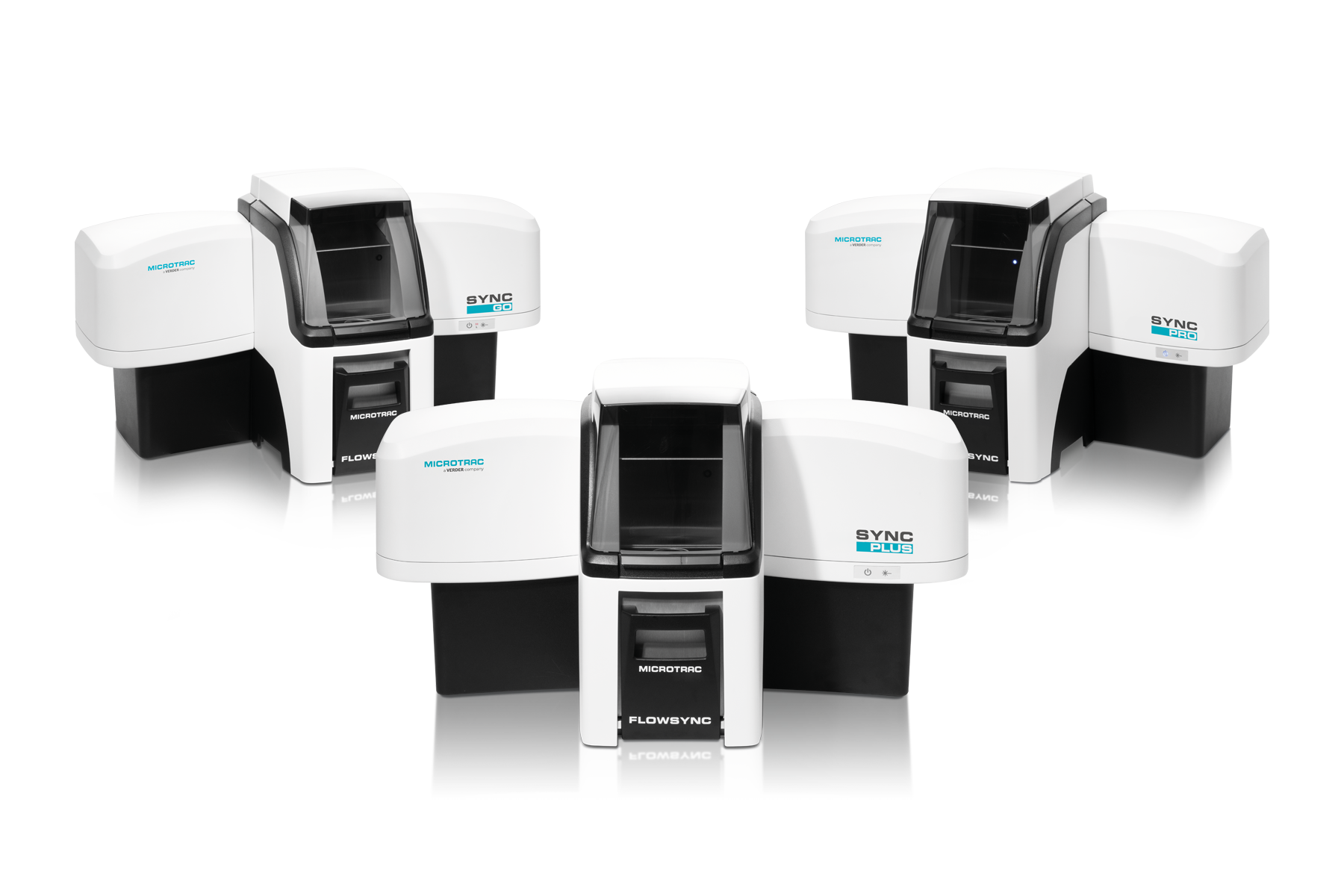
A Microtrac Sync kombinálja a lézerfénydiffrakciót a dinamikus képfeldolgozással egy platformon. A részecskamegység-eloszlás mérése mellett képi információkat is nyújt, amelyek segíthetnek felfedezni a szagmolátumokat és a részecskamegység-különbségeket, amelyek egyébként nem látsak egy méret-csak eredményben.
API-khoz, excipientekhez és gyógyszerporokhoz a Sync támogatja:
- Gyors részecskeméret-eloszlás mérése száraz vagy elterített mintákban
- Beérkező nyersanyag-szállítmányok és folyamatfeltételek összehasonlítása
- Agglomerátumok és túlméretezett részecskék detekciója
- Részgranulátumok vizsgálata a molyolás vagy feldolgozás után
- Metóduskifejlesztés, amikor mind a méret, mind a részecske-képi információ hasznos
Gyógyszerpor morfológiája: Folyamat, keverés és tömörítés
A hasonló méretelosztású részecskék eltérően viselkedhetnek, ha formájuk eltér. Az aspektus arány, a körség, az elnyúlás és az aglomeráció befolyásolhatja a porfolyást, a csomagolást, a keverék egyenletességét, a kapszulázást és a tablettázási viselkedést. Emiatt a hordozóanyag Szemcsemérés és az API elemzése a hagyományos méretelosztások mellett a morfológiai adatokból is nyereséget szerezhet.
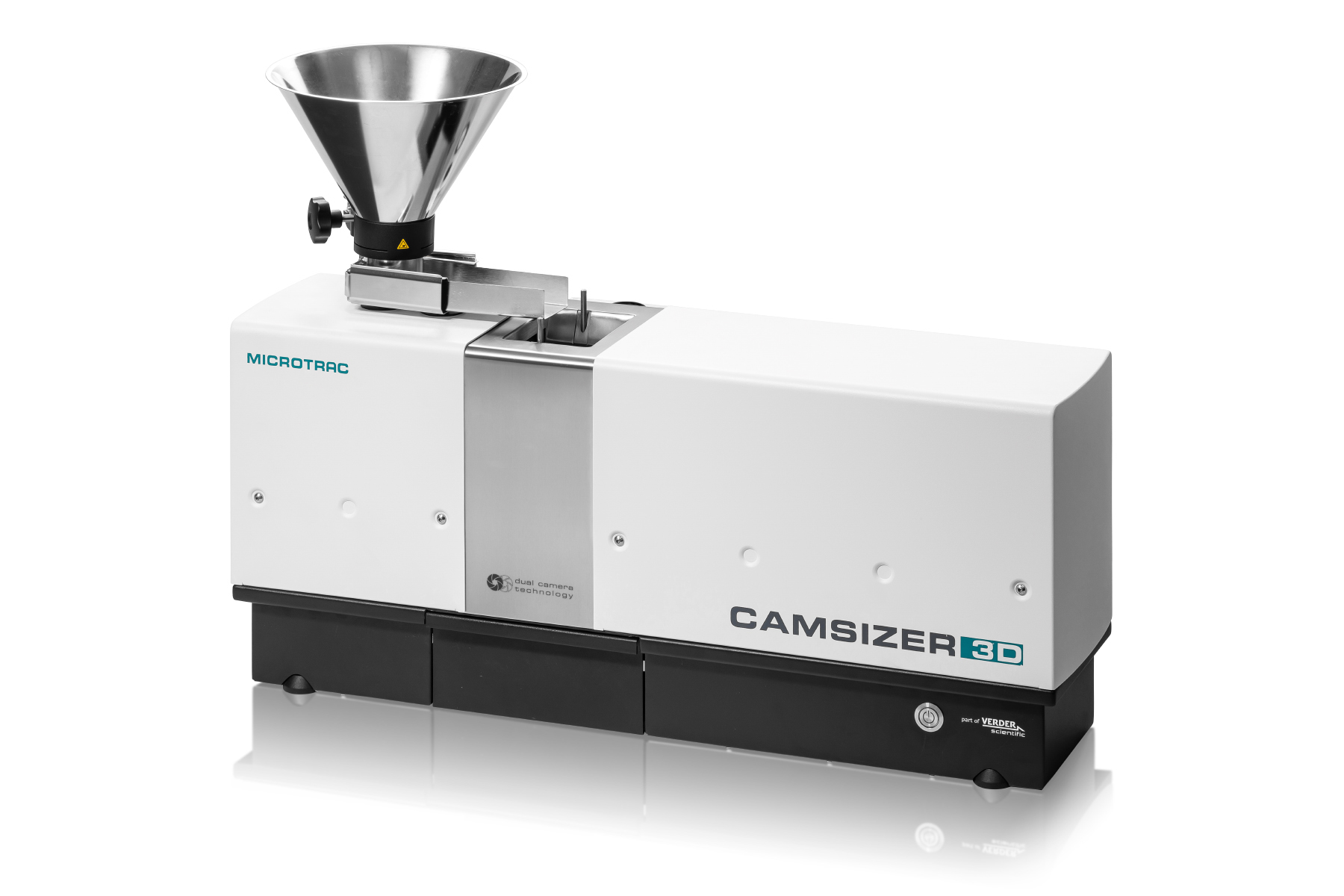
Kvantitatívozza a por méretét és alakját a CAMSIZER segítségével
A Microtrac CAMSIZER instrumentek dinamikus képfeldolgozást használnak porok és szemcsék méretének és morfológiájának méréséhez. A kép alapú elemzés kvantitatív alakparamétereket biztosít, miközben lehetővé teszi a felhasználók számára, hogy az egyenetlen részecskéket vagy aglomerátumokat azonosítsák, amelyek gyártási eltérésekhez hozzájárulhatnak.
A CAMSIZER mérések segíthetnek a gyógyszerészeti csapatoknak:
- Kvantitatívozza az aspektus arányt, a körséget és más alakparamétereket
- Felhalmozott vagy specifikációkhoz nem megfelelő anyag detektálása
- Összehasonlítsa a por-batchokat vagy a granulációs feltételeket
- Vizsgálja meg a folyás- és keverési egyenletesség különbségeit
- Támogassa a szájú keményítődózis folyamatok fejlesztését, mint például a kapszulázás és a tablettázás.
Felületterület és Poros Szerkezet Hordozókhoz és Kontrollált Kioldású Anyagokhoz
A porózus gyógyszeranyagok belső felületét nem írja le magában a részecskeméret egyedül. A specifikus felület és a pórusstruktúra befolyásolhatja a felszívódást, a feloldódást és a felszabadulási viselkedést a porózus adalékanyagokban, hordóanyagokban, inhalációs porokban és kontrollált felszabadulású formulákban.
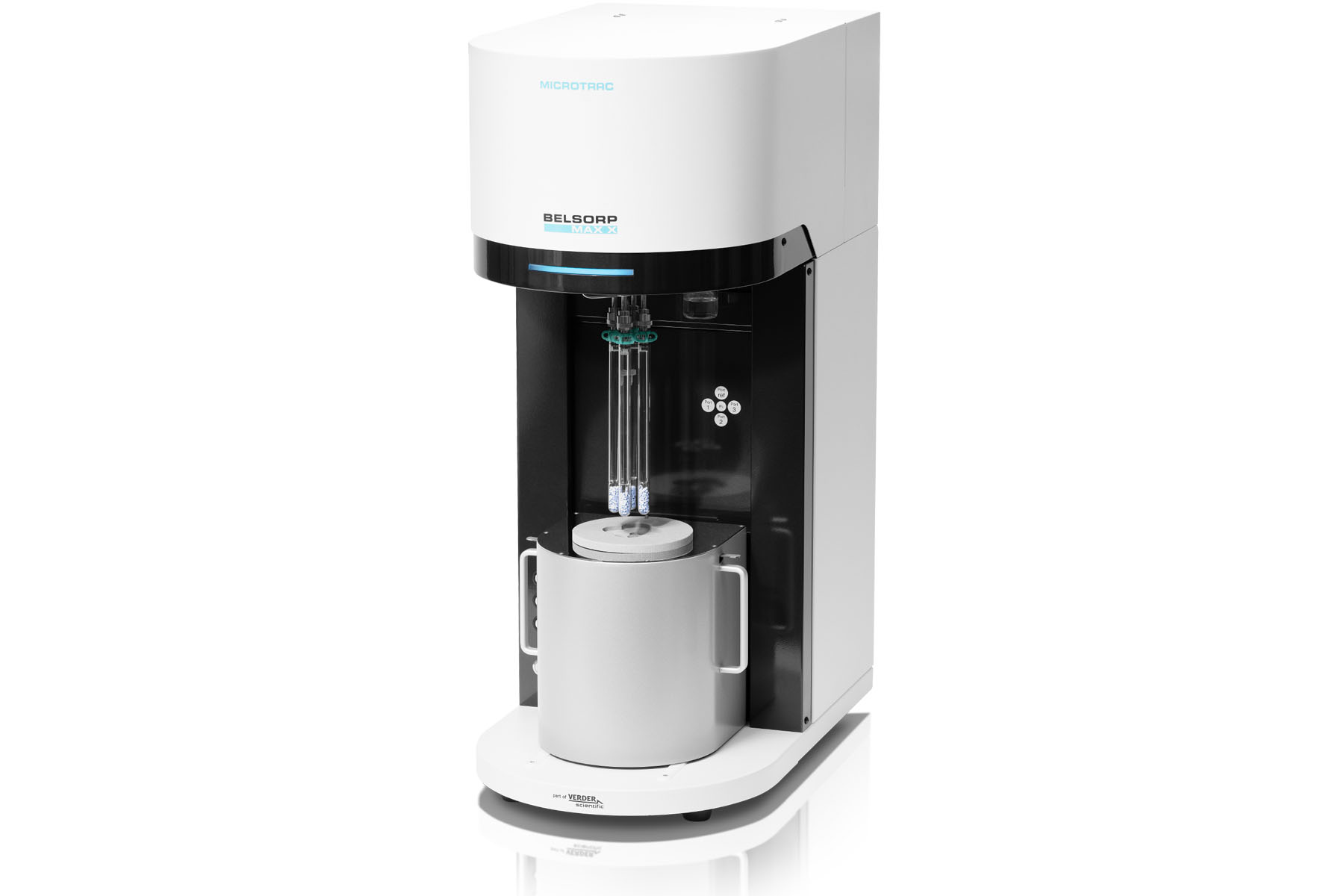
Jelölje be a felületi tulajdonságokat a BELSORP segítségével
A Microtrac BELSORP sorozat Gázadszorpció technikákat használ specifikus felület- és pórusstruktúra méréséhez. Ezek a mérések további struktúrált információkat nyújtanak olyan anyagokról, ahol a rendelkezésre álló felület és a porozitás fontos a hordozó teljesítménye vagy a formuláció viselkedése szempontjából.
A BELSORP támogatja az olyan tanulmányokat:
- Porózus adalékanyagok és adsorptív hordozók
- Kontrollált felszabadulású formulációs anyagok
- Inhalációs porok és más nagy felületű szilárd anyagok
- Anyaglotyok összehasonlítása hasonló szemcseméretű, de eltérő felületi tulajdonságokkal
Gyógyszerleadó nanopartikula és kolloid formulációk
A fejlett gyógyszerráthatós rendszerek gyakran a submikrométeres vagy nanóméteres tartományban működnek, ahol a kolloid interakciók az 입ce méretével yhtékesen fontosak. Ezért a gyógyszerráthatós nanopartikula méretanalízisának olyan módszerekre van szüksége, amelyek alkalmasak finom eloszláshoz, valamint olyan mérésekre, amelyek feltárják, hogy a részecskék elválasztottan maradnak-e, vagy elkezdnek-e koagulálni.
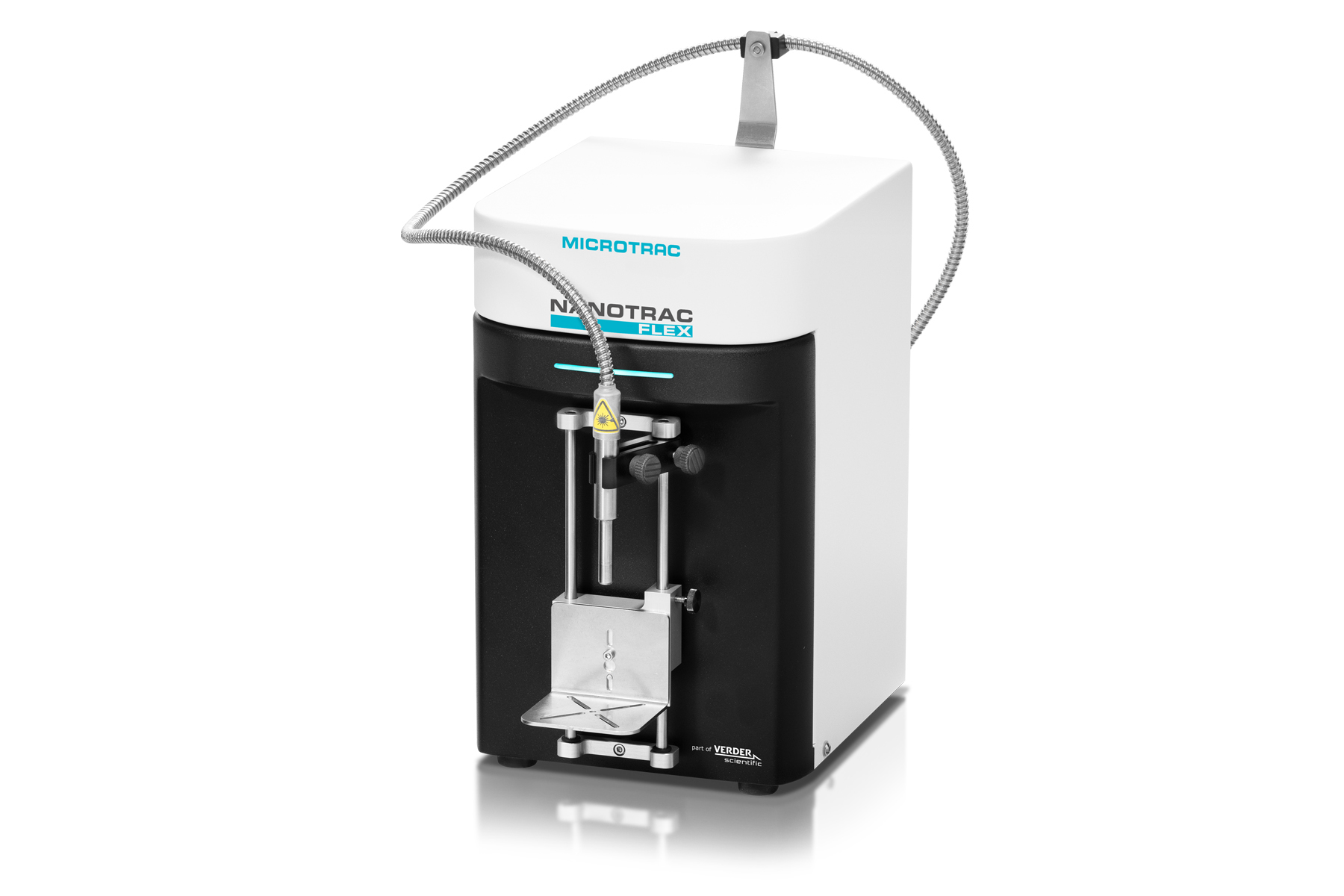
Mértje a nanoméretű részecskék méretét a Nanotrac Flex segítségével
A Microtrac Nanotrac Flex dinamikus fényszórást használ a kolloidok, emulziák és nano-formulációk alkalmazásában lévő submikronos és nanoszkálájú részecskék mérésére. Egyedi érzékelő kialakítása és a Lásererősített Detektálás lehetővé teszi gyors, pontos méréseket közvetlenül koncentrált vagy nem hígított mintákban, megőrizve a tényleges formulációs körülményeket. Alkalmas olyan formulációkhoz, ahol a hidrodinamikai részecskameretkezés kulcsfontosságú fejlesztési vagy minőségi paraméter.
A Nanotrac Flex segíthet tudóknak:
- Mértékkelje a gyógyszertartó nanopartikula és finom eloszlatott részecskék méretét
- Összehasonlítsa a formulázási és feldolgozási feltételeket
- A tömörítéshez kapcsolódó track méretváltozások
- Értékelje a kolloidokat és emulziákat, amelyek a szélesebb szemcsenméthodák gyakorlati tartományának alján helyezkednek el
Gyógyszerleadó nanopartikula és kolloid formulációk
A fejlett gyógyszerráthatós rendszerek gyakran a submikrométeres vagy nanóméteres tartományban működnek, ahol a kolloid interakciók az 입ce méretével yhtékesen fontosak. Ezért a gyógyszerráthatós nanopartikula méretanalízisának olyan módszerekre van szüksége, amelyek alkalmasak finom eloszláshoz, valamint olyan mérésekre, amelyek feltárják, hogy a részecskék elválasztottan maradnak-e, vagy elkezdnek-e koagulálni.
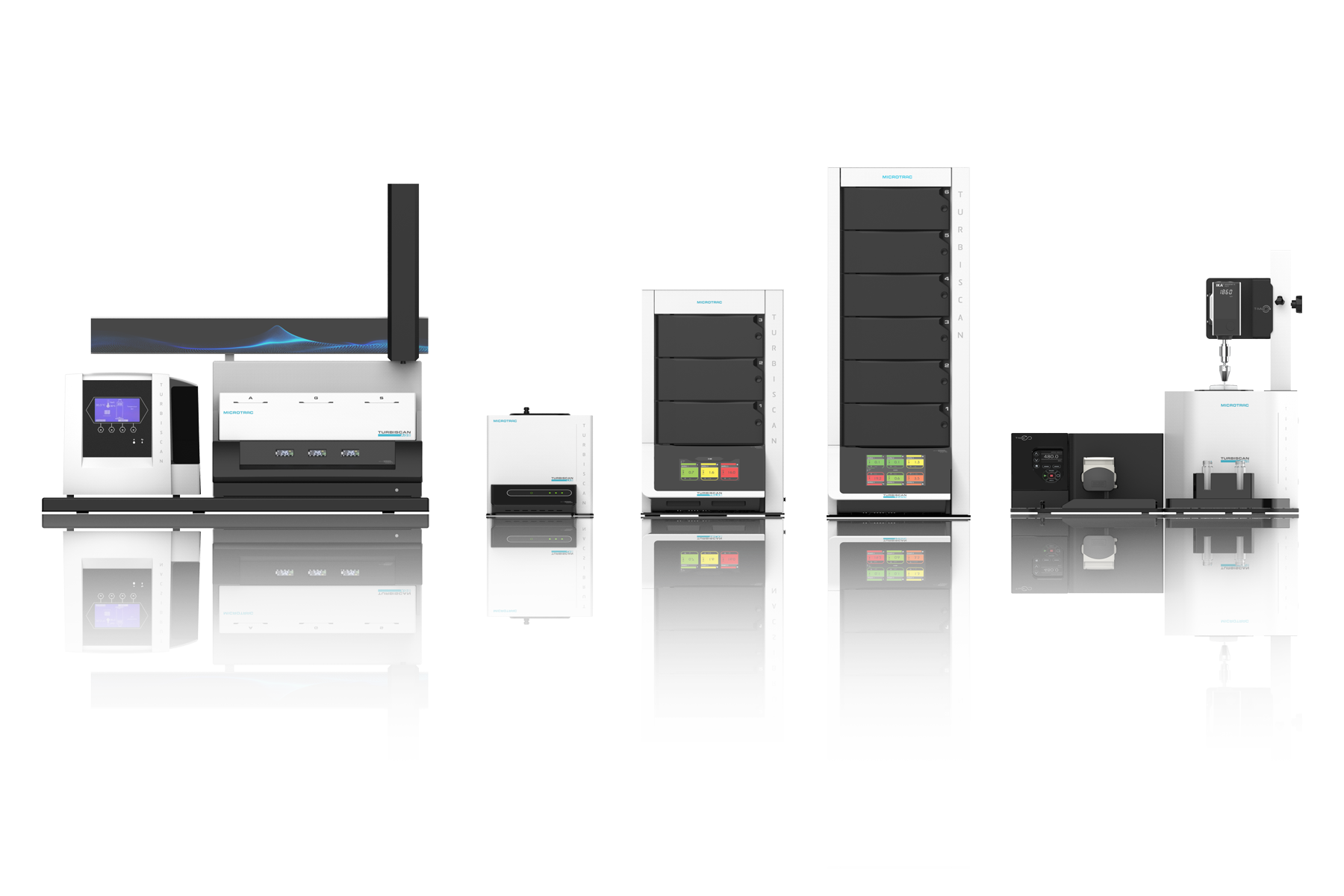
Korábban detektálja a fizikai instabilitást a TURBISCANnal
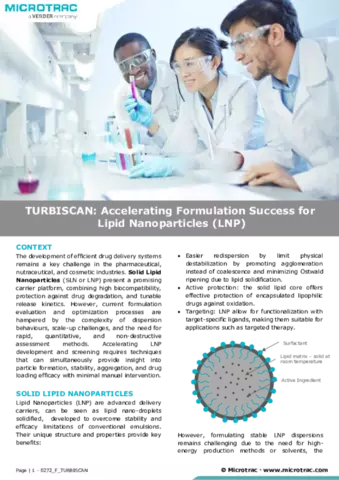
A Microtrac Turbiscan statikus többszörös fényeloszlás technológiáját használja a mintában lévő fizikai változások monitorozására. Detektálhat destabilizációs jelenségeket, mint például a lecsapódás, a sedimentáció, a flocculáció, az aggregációval kapcsolatos változások és a fázisválasztás még mielőtt könnyen láthatóvá válnának (vizuális megfigyeléshez képest akár 1000-szer gyorsabban) és anélkül, hogy hígítást igényelne.
Gyógyszeres suspensionokhoz, emulziókhoz és lipidek rendszerekhez a TURBISCAN segíthet a csapatoknak:
- Összehasonlítsa a jelölt formulákat objektív stabilitási adatokkal
- Monitor aggregáció, szedikiméntedés, krémozódás és fázisválasztás
- Értékelje a lipidnanoveszkulák stabilitását és a parenterális emulziós viselkedését
- Hagondáson rövidítsük a formulázási szűrési visszajelzési ciklust
- Az hosszabb távú validációs tanulmányok számára ígéretes formulákat azonosítani
Felületi töltés és lipid nanopartikula stabilitás elemzése
Egy nanopartikula vagy emulzió lehet a kívánt kezdeti részecskeméretű, mégis tárolás vagy kezelés során instabilizálódhat. A felületi töltési feltételek változásai elősegíthetik a koagulációt, míg a szétterjedt fázisok is lecsapódhatnak, lerakódhatnak vagy elválaszthatódhatnak. Lipid nanopartikulaoknál, parenterális emulzióknál és más fejlett formulációknál a méret, a töltés és a közvetlen stabilitás információk kombinálása teljesebb képet ad a formuláció viselkedéséről.
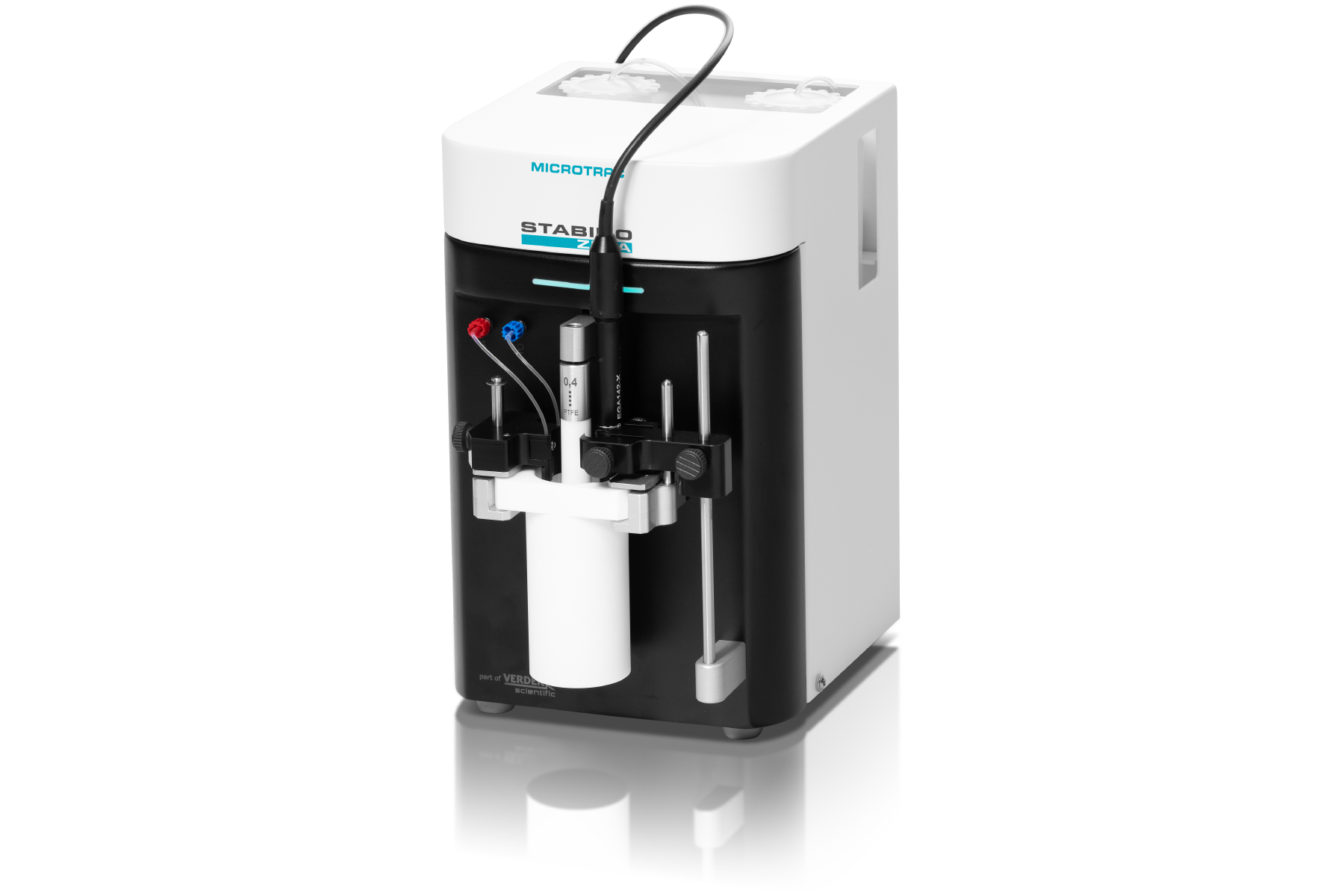
Összehasonlítsa a kolloid körülményeket a Stabino Zeta-val
A Microtrac Stabino Zeta streaming potenciál technológiáját használja gyors zeta-potenciál mérésekhez. Megfelelő koncentrált formulákban a méréseket anélkül végezhetik el, hogy kiterjedt hígítást igényelne, ez segít a felhasználóknak a szóródást olyan körülmények között értékelni, mint az eredeti mintához közelebb.
Stabino Zeta támogatja:
- A kolloidális formulák felületi töltési viszonyainak összehasonlítása
- A formulázási változtatások vizsgálata, amelyek befolyásolják a részecskeinterakciókat
- Aggregációs kockázattal összefüggő állapotok szűrése
- Kiegészítő elemzés a nanopartikula méret és fizikai stabilitás mérései mellett
Együtt alkalmazva a Nanotrac Flex, Stabino Zeta és a Turbiscan különböző részeket érintenek ugyanazon a formulációs kérdésben: a részecskeméretet, az elektrostatikus interakciókat és a teljes eloszlatottság fizikai evolúcióját.
Inhalációs és orrnyíl-alapú adagolás: Jellemezze az átadott aeroszolot
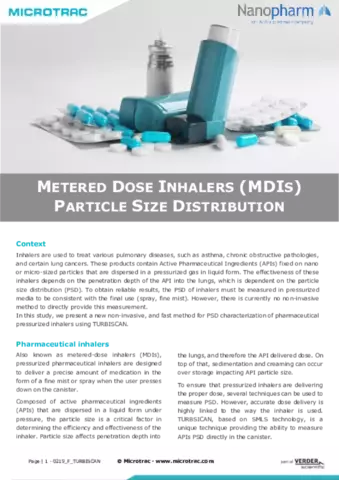
Adagoláskor használt, mérőszámú inhalátorok, orrperc sprayek és más aeroszol alapú adagolási formák esetében a szórás során ténylegesen generált részecske- vagy cseppméret-eloszlás ellenőrzése szükséges. Az aeroszol profil a formulációtól, a berendezés konfigurációjától és a működtetési feltételektől függően változhat, ez teszi hasznosvá a valós idejű spray-mérés fejlesési és minőségvizsgálati folyamatok során.
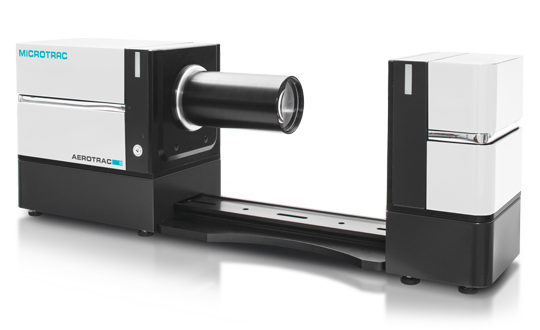
Mérje az aeroszol és a porlasztás méretét az Aerotrac II
A Microtrac Aerotrac II magas felbontású, valós idejű mérését nyújt a szóródó részecskék és cseppek méreteloszlásáról a levegőben lévő permetekben és aeroszolokban. A mérőeszköz közvetlenül méri a keletkező szóródást, lehetővé téve a tudóknak, hogy a szóródás előzetes gyűjtése más közegbe helyett összehasonlítsák a beviteli feltételeket.
Az Aerotrac II támogatja:
- Porrátezés-méret elméretezése adagolható inhalátorokban
- Orrsinős és pulmonális permetrendszerek jellemzése
- Formuláció, berendezés és működtetési feltételek összehasonlítása
- Fejlesztési vizsgálatok a szállított aeroszol-ködvelékkel kapcsolatban
- Routinés összehasonlítás a permetteljes teljesítményről, ahol a részecske- vagy cseppméret kritikus paraméter
Válassza ki az analitikai technikát a dózisformához és célhoz képest
Egy gyakorlati gyógyszerészeti részecskelemelés munkafolyamat egy vagy több kiegészítő technikát használhat:
API részecskeméret elemzéséhez, adalékanyagokhoz, suspensionokhoz és széles részecskeméret-eloszlásokhoz, kiegészítő részecskekép-információval.
Gyógyszerpor morfológiájához, alakparaméterekhez, aglomerátumokhoz és szemcsákhoz.
Gyógyszertartó nanopartikula méretanalíziséhez, kolloidok és finom emulziók.
Felületi töltés- és elterjedési interakciókutatásokhoz.
Szuspenzziók, emulziók, lipide nanoparticle stabilitásvizsgálat és gyorsított formuláció-szűrés.
Inhalációhoz, adagolott és orr-szállító rendszerekhez.
A szerves gyógyszeranyagok és hordók specifikus felületének és pórusstruktúrájának meghatározásához.
Ezen technikák kombinálása egyértelműbb képet ad a formulátoroknak arról, hogyan befolyásolják a nyersanyag tulajdonságai, a szórási körülményei és a felhasználási paraméterei a végső bevonat teljesítményét.

Alkalmazások a gyógyszerfejlesztésben és minőségellenőrzésben
- API-k és excipientek orális szilárd dózisú készítményekhez
- Gyógyszerporok és granulátumok
- Szuspenzziók, emulziók és parenterális készítmények
- Gyógyszereket szállító nanoporózusok és lipid alapú rendszerek
- Szüreső hordozók és kontrollált felszabadulású anyagok
- Adagolható inhalátorok és orrporcanciák
- Témás és egyéb elterített formulák
Alkalmazási megjegyzések és technikai források
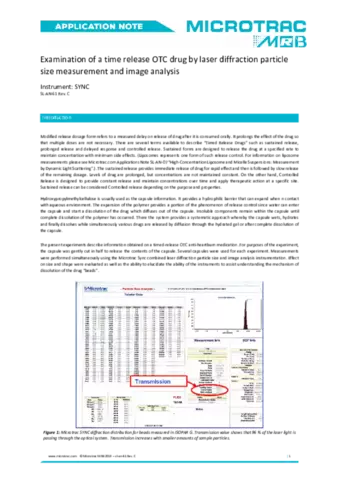
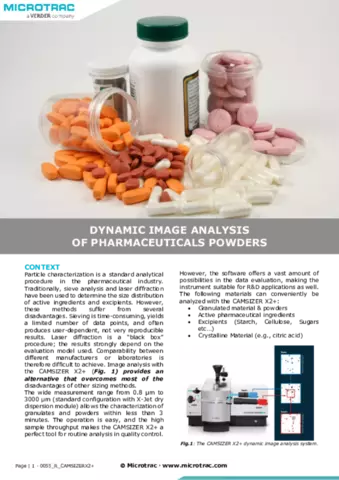
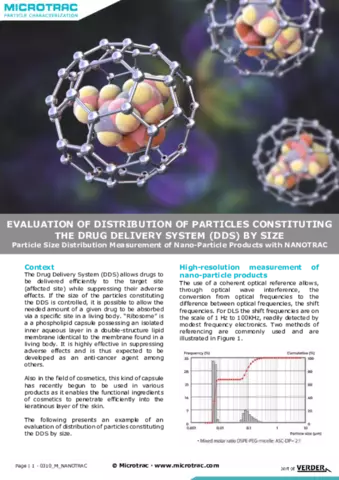
Vizsgálja meg a gyakorlati mérési példákat a gyógyszerporokra, gyógyszerráthatós rendszerekre, lipid-nanopartikulaokra, parenterális emulziókra és inhalációs adagolásra vonatkozóan.


Defináljon egy részecskelemítési módszert adagformája számára
A megfelelő analitikai módszer a dózisformától, a várható részecskamegyséktől, a szóró közegtől és a kritikus minőségi kérdéstől függ. A MICROTRAC alkalmazási szakértői segíthetnek összehasonlítani a mérési megközelítéseket és egy gyakorlati munkafolyamatot építeni a mintához és a fejlesztési célhoz.
Kezdje el megbeszélni gyógyszeripari mintájáról és elemzési céljáról egy Microtrac szakértővel.