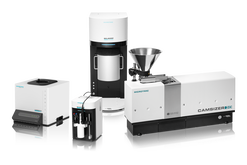






Analýza velikosti a stability farmaceutických částicí farmaceutický průmysl
Velikost částicí, morfologie a stabilita disperze ovlivňují, jak se léčiva (API), přísady a hotové přípravky chovají během vývoje a výroby. Tyto vlastnosti mohou ovlivnit rozpustnost, tok prášku, míchání, kompakci, rovnoměrnost obsahu a výkon disperzních, lipidových nebo inhalovaných systémů pro dodávání léků.
Microtrac poskytuje doplňkové analytické technologie pro analýzu velikosti částic v farmaceutickém průmyslu pro suché prášky, kapalné disperze, nanodělení, emulze, porézní pevné látky a aerosoly. Výsledná data podporují vývoj formulací, pochopení procesů, vývoj metod a rutinní kontrolu kvality od hodnocení surovin až po vyšetřování hotového produktu.

Spojití vlastností částic s farmaceutickým výkonem
Workflow pro charakterizaci částic vhodný pro účel může pomoci farmaceutickým vědcům a kvalitním týmům:
- Stanit a monitorovat specifikace velikosti částic pro API a přísady
- Vztahujte morfologii farmaceutického prášku k chování při proudění, míchání a kompakci
- Vyšetřujte změny způsobené frézováním, granulací nebo jinými zpracovatelskými kroky
- Porovnání podmínek velikosti částic a stability v nanodělových a emulzních systémech
- Vyhodnojte stabilitu lipidových nanodílek a další pokročilé systémy pro dodávku léků
- Charakteryzovat velikost částic nebo kapiček v systémech inhalace a nosní aplikace
- Přidejte informace o povrchové ploše a pórové struktuře tam, kde je důležité chování adsorpce nebo uvolňování
Nejužitečnější technika záleží na formě dávkování, očekávaném rozmezí velikosti, stavu vzorku a kritické kvalitativní otázce. Kombinování doplňkových měření může odhalit informace, které jediný výsledek velikosti částic nemůže poskytnout.
APIs a excipienty: Kontrola velikosti částic od suroviny po formulaci
API Analýza velikosti částic je důležitá, protože změny v rozložení velikosti částic mohou ovlivnit rozpustnost, manipulaci s práškem a konzistenci formulace. Excipienty také vyžadují vhodnou charakterizaci, zejména když jejich rozložení velikosti ovlivňuje míchání, kompakci nebo rovnoměrnost pevné dávkové formy.
Laserová difrakce poskytuje rychlé rozložení velikosti částic v širokém měřicím rozsahu a lze ji nakonfigurovat pro suché prášky nebo kapalné disperze. Pro farmaceutický vývoj a kontrolu kvality je užitečná k porovnávání šarží surovin, monitorování změn v procesu a zjišťování, zda změny v podmínkách mletí nebo disperze posunuly profil velikosti částic.
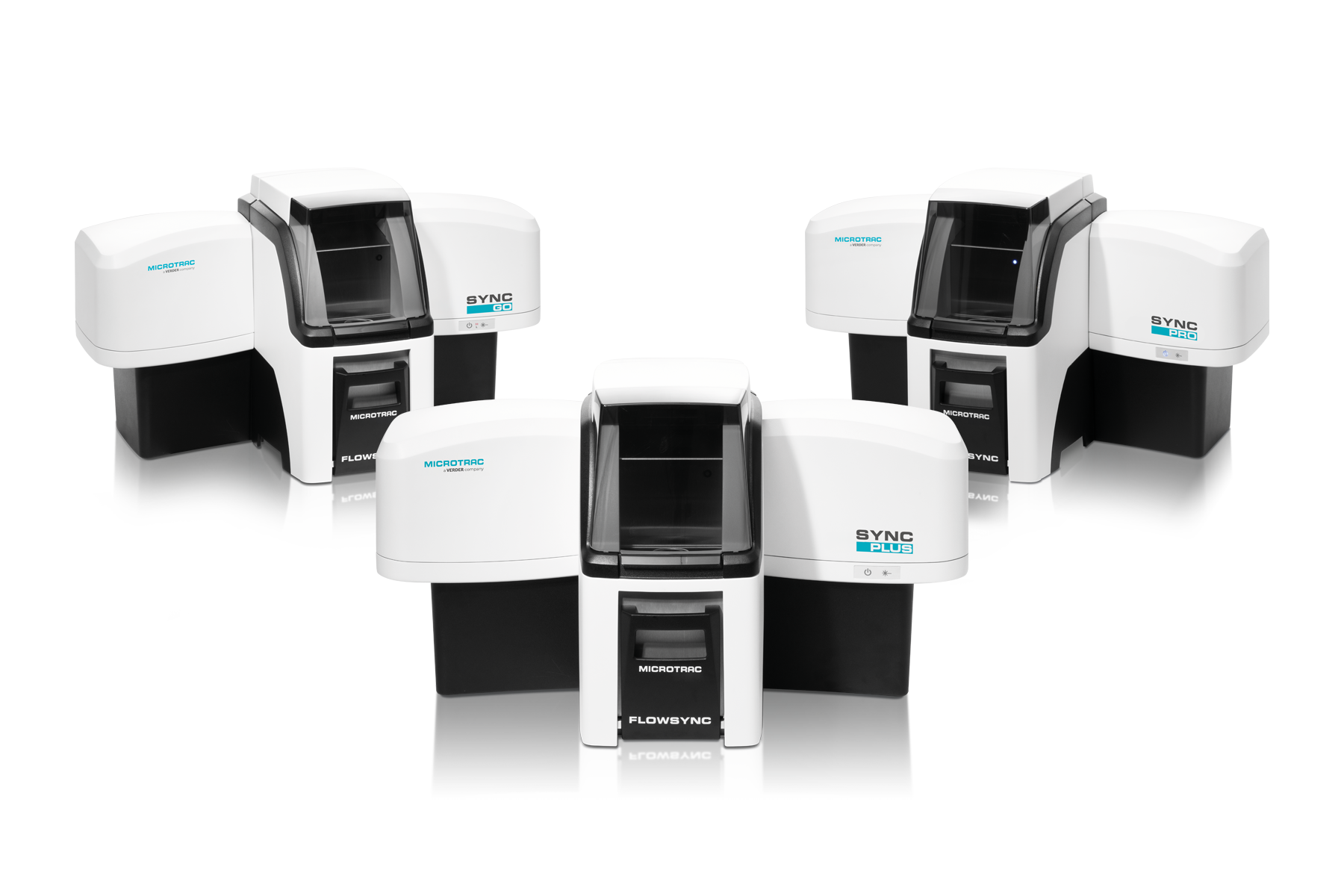
Spojte rozložení velikosti a obrázky částic s SYNC
MICROTRAC Sync kombinuje laserovou difrakci s dynamickou analýzou obrazu na jedné platformě. Kromě měření rozložení velikosti částic poskytuje informace založené na obrázku, které mohou pomoci odhalit aglomeráty a rozdíly v tvaru částic, které by jinak mohly být skryté v výsledku pouze o velikosti.
Pro API, excipienty a farmaceutické prášky může Sync podporovat:
- Rychlé měření rozložení velikosti částic v suchých nebo disperzních vzorcích
- Porovnání příchozích šarží surovin a procesních podmínek
- Detekce agregátů a nadměrných částic
- Vyšetřování změn částic po mletí nebo zpracování
- Metodický vývoj, kdy jsou užitečné informace o velikosti i o obrazu částicí
Morfologie farmaceutického prášku: Tok, míchání a kompakce
Částice s podobnými rozděleními velikosti se mohou chovat odlišně, pokud se liší jejich tvar. Poměr stran, kruhovitost, vytažení a aglomerace mohou ovlivnit tok prášku, seskupování, rovnoměrnost směsí, naplnění kapslí a chování při tabletování. Z tohoto důvodu může charakterizace částic excipientů a analýza API těžit z morfologických dat kromě konvenčních rozdělení velikosti.
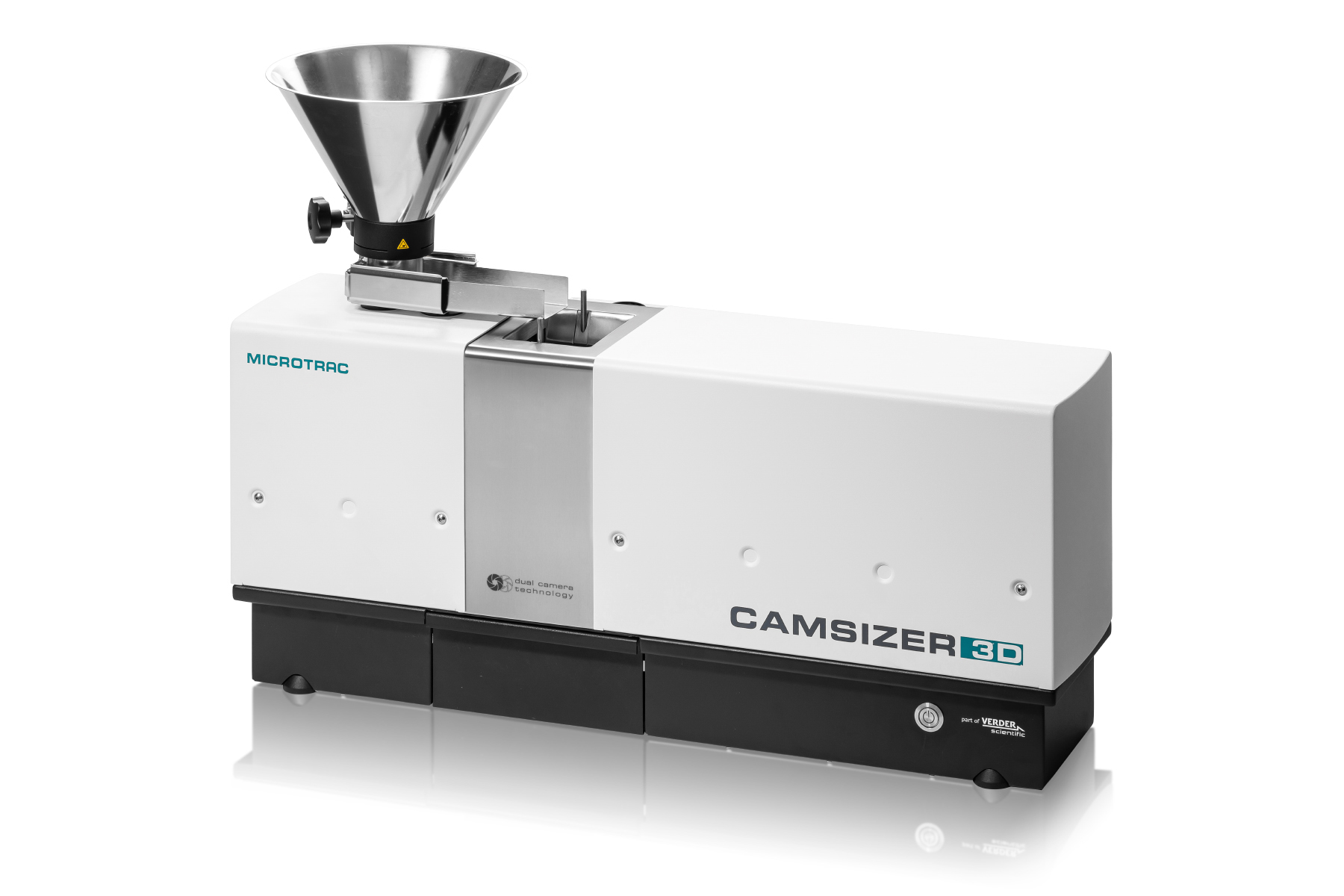
Kvantifikujte velikost a tvar prášku pomocí CAMSIZER
Nástroje MICROTRAC CAMSIZER používají dynamickou analýzu obrazu k měření velikosti a morfologie částic v prášcích a granulech. Analýza založená na obrázku poskytuje kvantitativní parametry tvaru a zároveň umožňuje uživatelům identifikovat nepravidelné částice nebo aglomeráty, které mohou přispívat k výrobní variabilitě.
Měření CAMSIZER mohou pomoci farmaceutickým týmům:
- Kvantifikujte poměr stran, kruhovitost a další tvarové parametry
- Detekujte aglomerovaný nebo mimo specifikaci materiál
- Porovnejte dávky prášku nebo podmínky granulace
- Vyšetřovat rozdíly v toku a rovnoměrnosti směsi
- Podpora vývoje procesů orálních pevných dávek, jako je kapslování a tabletování
Povrchová plocha a pórová struktura pro nosiče a materiály s kontrolovaným uvolňováním
Jen velikost částic nezobrazuje vnitřní povrch porézních farmaceutických materiálů. Specifická povrchová plocha a pórová struktura mohou ovlivnit adsorpci, rozpustnost a uvolňovací chování v porézních přísadách, nosičích, inhalačních prášcích a formulacích s kontrolovaným uvolňováním.
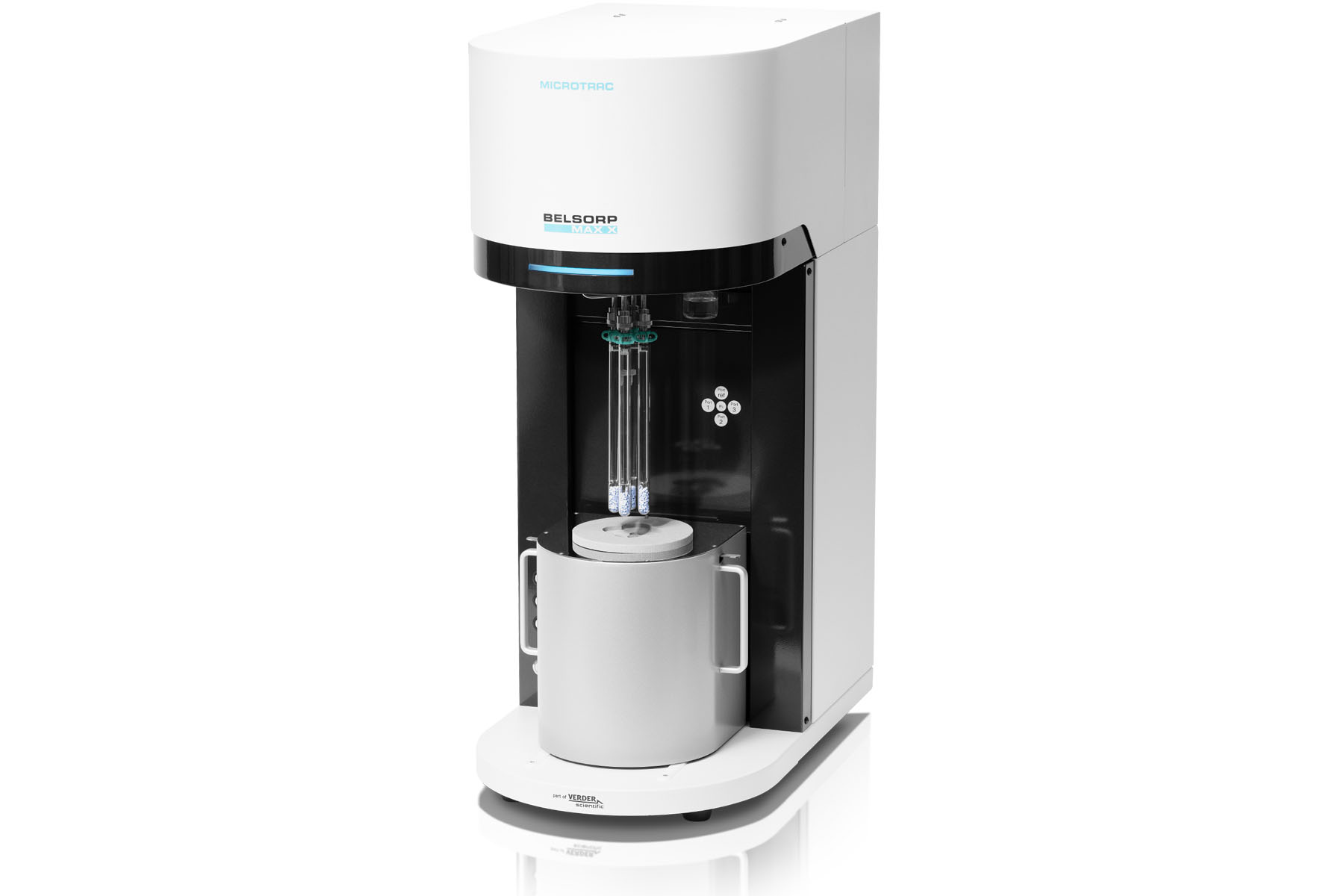
Charakteryzujte povrchové vlastnosti pomocí BELSORP
Série MICROTRAC BELSORP používá techniky adsorpce plynu k měření specifické povrchové plochy a pórové struktury. Tato měření poskytují dodatečné strukturozpravy pro materiály, kde je důležitá dostupná povrchová plocha a poréznost pro výkon nosiče nebo chování formulace.
BELSORP může podporovat studie zahrnující:
- Porézní excipienty a adsorpční nosiče
- Materiály pro formulace s kontrolovaným uvolňováním
- Inhalace prášků a další pevné látky s vysokou povrchovou plochou
- Porovnání materiálových šarží s podobnou velikostí částic, ale různými povrchovými vlastnostmi
Nanopřenosné částice a koloidní formulace pro léčiva
Pokročilé systémy pro dodávku léků často fungují v submikronovém nebo nanometrovém rozmezí, kde se koloidní interakce stávají stejně důležité jako velikost částic. Analýza velikosti nanodopravních částic pro dodávku léků proto vyžaduje metody vhodné pro jemné disperze, spolu s měřeními, která mohou odhalit, zda částice zůstávají oddělené, nebo začínají agregovat.
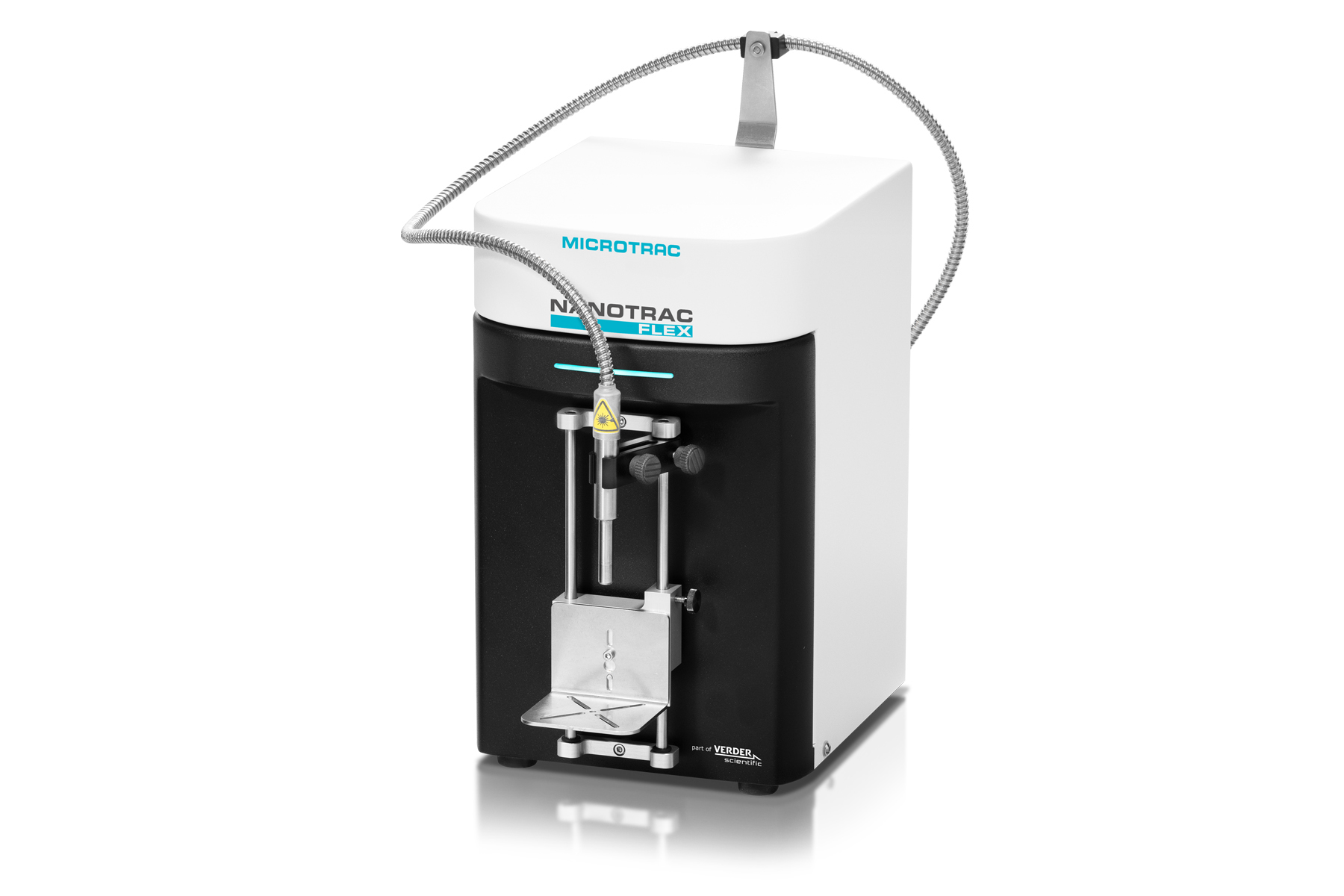
Měření velikosti částic na nanolevelu s Nanotrac Flex
MICROTRAC Nanotrac Flex používá dynamický rozptyl světla k měření submikronových a nanometrických částic v koloidech, emulzích a nanoformulacích. Jeho jedinečný design sondy a Laser Amplified Detection umožňují rychlé a přesné měření přímo v koncentrovaných nebo neředěných vzorcích, čímž se zachovávají skutečné podmínky formulace. Je vhodný pro formulace, kde je hydrodynamická distribuce velikosti částic klíčovým parametrem vývoje nebo kvality.
Nanotrac Flex může vědcům pomoci:
- Měření velikosti částic v nanodopravních částicích a jemných disperzích
- Porovnejte formulaci a podmínky zpracování
- Změny velikosti sledování spojené s agregací
- Vyhodnoje kolloidů a emulzí, které spadají pod praktický rozsah širších metod pro velikost částic
Nanopřenosné částice a koloidní formulace pro léčiva
Pokročilé systémy pro dodávku léků často fungují v submikronovém nebo nanometrovém rozmezí, kde se koloidní interakce stávají stejně důležité jako velikost částic. Analýza velikosti nanodopravních částic pro dodávku léků proto vyžaduje metody vhodné pro jemné disperze, spolu s měřeními, která mohou odhalit, zda částice zůstávají oddělené, nebo začínají agregovat.
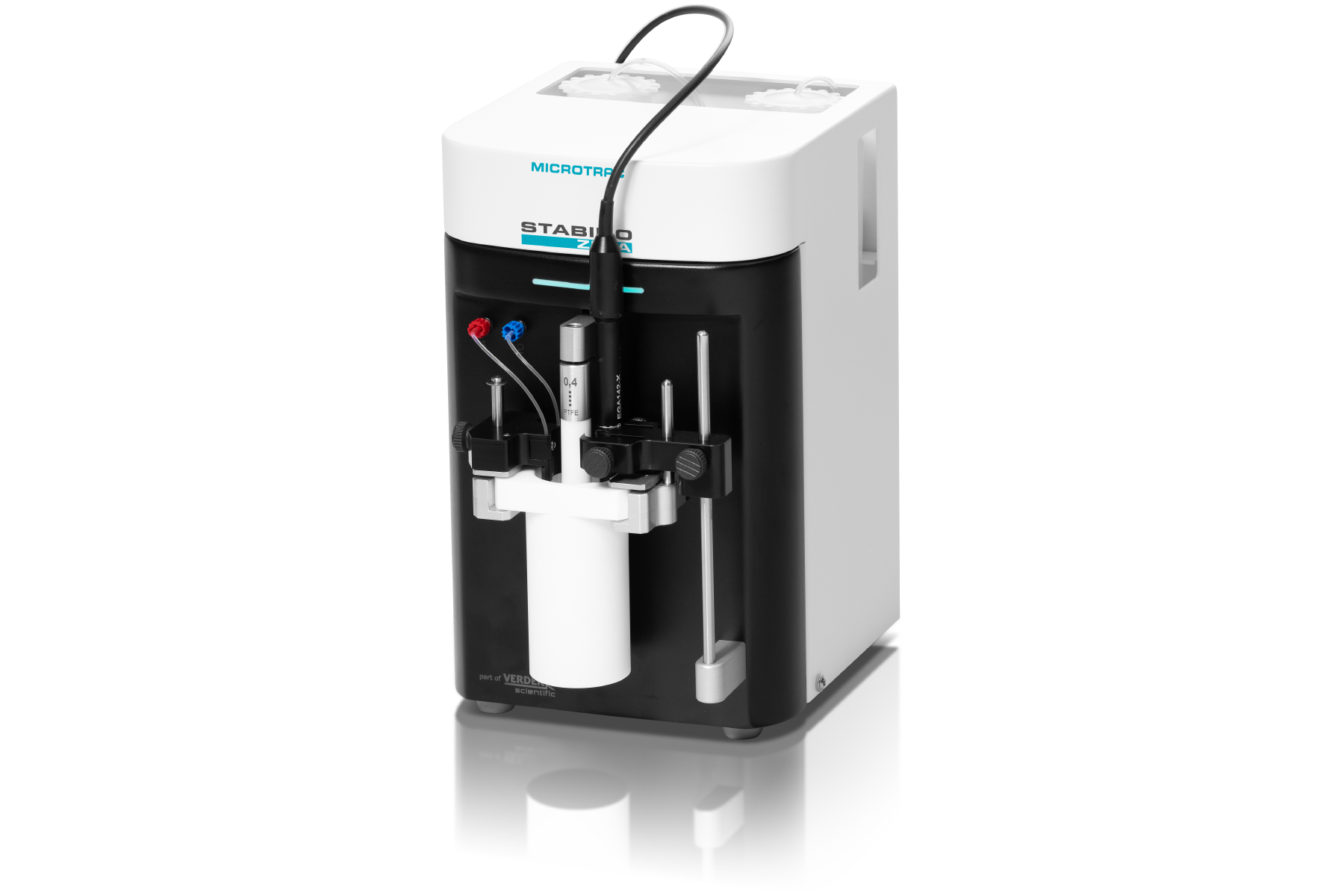
Detekujte fyzickou nestabilitu dříve s TURBISCANem
MICROTRAC TURBISCAN používá statický vícenásobný rozptyl světla k monitorování fyzikálních změn v průběhu vzorku. Může detekovat jevy destabilizace, jako je krystalizace, sedimentace, flokulace, změny související s agregací a oddělení fází, ještě předtím, než jsou snadno viditelné (až 1000x rychleji než vizuální pozorování) a bez jakéhokoli roztoku.
Pro farmaceutické suspenze, emulze a lipidové systémy může TURBISCAN pomoci týmům:
- Porovnejte kandidátské formulace s daty o objektivní stabilitě
- Monitorování agregace, sedimentace, krystalizace a fáze separace
- Vyhodnojte stabilitu lipidových nanodílek a chování parenterální emulze
- Zkrátte zpětnou vazbu během výběru formulací
- Identifikujte vyčinné formulace pro dlouhodobé validační studie
Analýza povrchového náboje a stability lipidových nanočástic
Nanopartikel nebo emulze může mít požadovaný počáteční rozměr částic a přesto se během skladování nebo manipulace nestabilizovat. Změny v podmínkách povrchového náboje mohou podporovat agregaci, zatímco disperzní fáze mohou také krémat, sedimentovat nebo se oddělovat. Pro lipidové nanopartikuly, parenterální emulze a další pokročilé formulace poskytuje kombinace informací o velikosti, náboji a přímé stabilitě úplnější pohled na chování formulace.
Porovnejte koloidní podmínky s STABINO ZETA
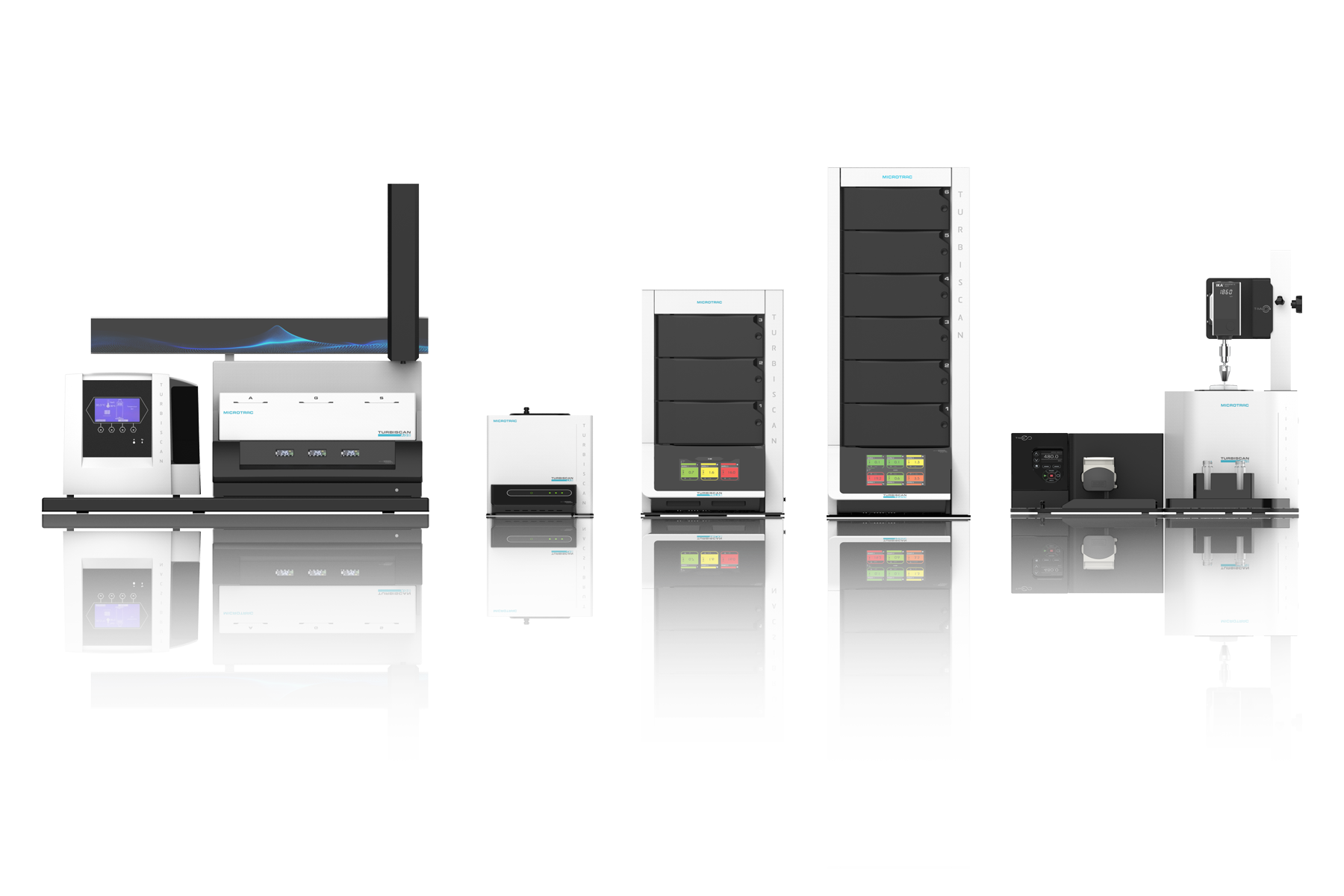
MICROTRAC STABINO ZETA používá technologii přenosového potenciálu pro rychlé měření zeta potenciálu. V vhodných koncentrovaných formulacích lze měření provádět bez rozsáhlého ředení, což pomáhá uživatelům posoudit disperzi v podmínkách blíže původnímu vzorku.
Stabino Zeta může podporovat:
- Porovnání podmínek povrchového náboje v koloidních formulacích
- Vyšetřování změn formulace ovlivňujících interakce částicí
- Vyšetření stavů spojených s rizikem agregace
- Doplňková analýza vedle měření velikosti a fyzické stability nanodílek
Použité společně, Nanotrac Flex, Stabino Zeta a Turbiscan řeší různé aspekty stejné otázky formulace: velikost částic, elektrostatické interakce a fyzickou evoluci kompletní disperze.
Inhalace a nosní aplikace: Charakterizujte dodávaný aerosol
Inhalátory s dávkováním, nosní spreje a další aerosolové formy dávkování vyžadují kontrolu rozložení velikosti částic nebo kapiček, které jsou skutečně generovány během dodávání. Aerosolový profil se může měnit s formulací, konfigurací zařízení a podmínkami aktivace, což činí měření rozpylu v reálném čase užitečným během vývoje a vyšetřování kvality.
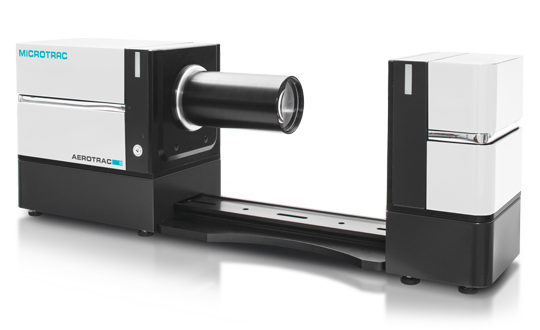
Měření aerosolu a velikosti mlhy s AEROTRAC II
Microtrac Aerotrac II poskytuje vysoce rozlišené, reálné měření rozvrstvení částic a kapek v vzdušných sprejech a aerosolech. Přístroj měří generovaný výfuk přímo, což vědcům umožňuje porovnávat podmínky dodání bez předchozího sběru spreje do jiného média.
Aerotrac II může podporovat:
- Měření rozložení velikosti částic v inhalátorech s dávkováním
- Charakterizace nosních a plicních sprejových systémů
- Porovnání formulace, zařízení a podmínek aktuace
- Vývojové vyšetřování zahrnující dodaný aerosolový prach
- Routinové porovnání výkonu spreje, kde je velikost částice nebo kapky kritickým parametrem
Vyberte analytickou techniku podle léčivého přípravku a cíle
Praktický workflow pro analýzu farmaceutických částic může využívat jednu nebo více komplementárních technik:
Pro API analýzu velikosti částic, excipienty, suspenze a široké rozptýlení velikosti částic, s doplňujícími informacemi o obrazu částic.
Pro morfologii farmaceutického prášku, tvarové parametry, aglomeráty a granuly.
Pro analýzu velikosti nanodopravních částic, koloidů a jemných emulzí.
Pro studie povrchových nábojů a disperzních interakcí.
Pro suspenze, emulze, analýzu stability lipidových nanokulíček a zrychlené screening formulací.
Pro inhalaci, dávkovací a nosní systémy.
Pro specifickou povrchovou plochu a pórovou strukturu porézních farmaceutických materiálů a nosičů.
Kombinací těchto technik získá formulátory jasnější pochopení toho, jak vlastnosti surovin, podmínky disperze a parametry aplikace ovlivňují finální výkon povlaku.

Aplikace v farmaceutickém vývoji a kontrole kvality
- API a excipienty pro orální pevné dávkové formy
- Farmaceutické prášky a granuly
- Suspenze, emulze a parenterální přípravky
- Nanopartikuly pro dodávku léků a lipidové systémy
- Porézní nosiče a materiály s kontrolovaným uvolňováním
- Inhalátory s dávkováním a nosní spreje
- Tematické a jiné rozptýlené formulace
Poznámky k aplikaci a technické zdroje
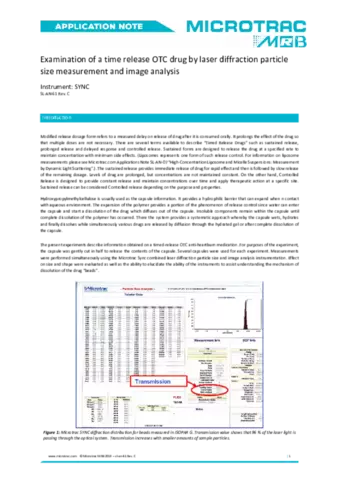
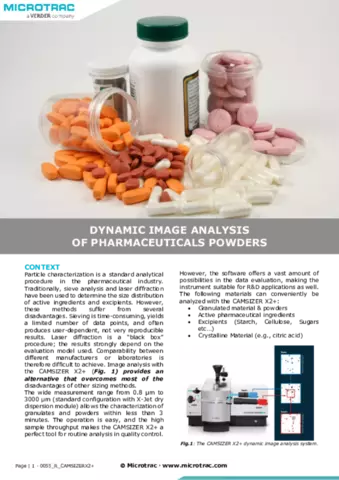
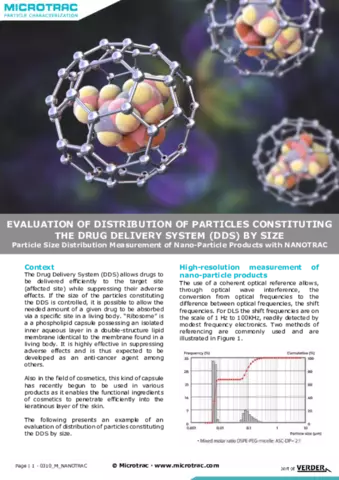
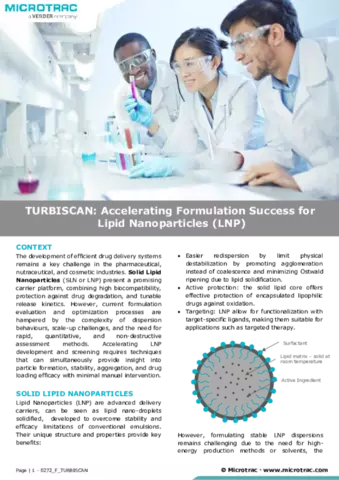
Prozkoumejte praktické příklady měření pokrývající farmaceutické prášky, systémy pro dodávání léků, lipidové nanodopravce, parenterální emulze a inhalaci.


Definujte metodu částicového analyzování pro svou farmaceutickou formu
Vhodná analytická metoda záleží na formě dávkování, očekávaném rozmezí velikosti částic, disperzním médiu a kritické kvalitativní otázce. Specialisti pro aplikace Microtrac mohou pomoci s porovnáním měřicích přístupů a vytvořením praktického pracovního postupu kolem vzorku a cíle vývoje.
Zdiskutujte svůj farmaceutický vzorek a analytický cíl se specialistou Microtrac.