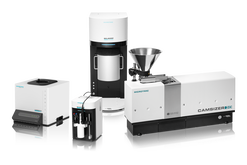






Analýza velikosti částic a stability pro potraviny a nápoje Potrava a nápoje
Velikost částic, tvar a chování disperze ovlivňují texturu, ústní dojem, vzhled, rozpustnost, tok a skladovatelnost v potravinách a nápoích. Relevantní částice mohou být suché ingredience, granuláty vysušené z mlhačky, kapky v emulzi, proteiny v nápoji nebo suspenze, které musí zůstat rovnoměrně rozptýlené.
Technologie Microtrac podporují Analýza velikosti částic pro potrava a nápoje od kontroly vstupních surovin přes vývoj procesů až po zajištění kvality finálního produktu. Spojováním měřitelných vlastností částic s mletím, mícháním, homogenizací, atomizací, rekonstitucí a chováním při skladování mohou potrava vědci přijímat rychlejší a objektivnější rozhodnutí bez spoléhání se pouze na senzorické nebo vizuální posouzení.

Spojití dat částic s senzorickou kvalitou a zpracováním
Analýza částic potravy je nejužitečnější, když je měření spojeno s atributem kvality nebo krokem procesu, který je důležitý. V závislosti na produktu může charakterizace pomoci týmům:
- Udržovat konzistentní texturu, ústní pocit a vzhled z dávky do dávky
- Kontrola toku prášku, balení, míchání, rozpouštění a rehydratace
- Porovnání podmínek frézování, broušení, homogenizace a pulvízování (spray-process)
- Identifikujte aglomeráty, příliš velké částice nebo změny v morfologii ingrediencí
- Snížení sedimentace, krystalizace, flokulace a fáze separace v nápojích a emulzích
- Vyhodnoťte disperzanty, proteiny, stabilizátory a podmínky formulace
- Detekce varianty produktu před uvedením na trh a podpora rychlejšího skenování formulací
Protože potrava systémy se pohybují od hrubých zrn až po nanoemulze, žádný jediný měření nepokrývá všechny otázky. Nejlepší pracovní postup začíná fyzickou formou produktu a atributem spotřebitele nebo zpracování, který je třeba kontrolovat.
Potravinové prášky a granule: Velikost, tvar a konzistence šarže
Káva, cukr, kakaové prášky, mouka, mléčné prášky, koření a další zrnité potraviny se mohou v rozložení velikosti částic i v morfologii lišit podstatně. Tyto rozdíly ovlivňují tok přes věškerce a dávkovací systémy, chování při míchání, seskupování, extrakci, rozpouštění a senzorické vlastnosti hotového produktu.
Analýza částic prášku potravy může proto poskytnout objektivnější základ pro specifikace surovin a řízení procesu než jen výsledky síta nebo celkové pozorování.
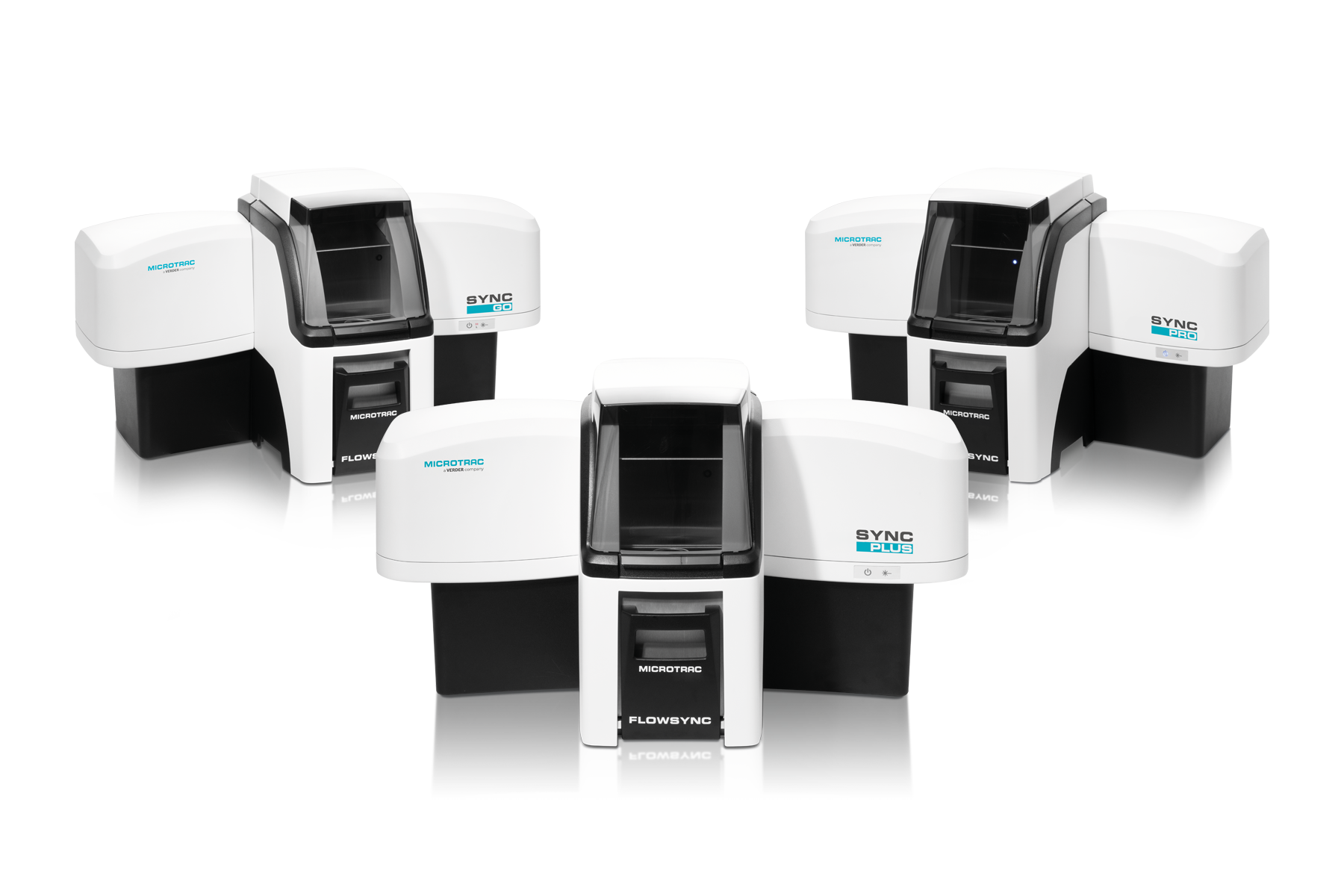
Spojte rozložení velikosti a obrázky částic s SYNC
MICROTRAC Sync kombinuje laserovou difrakci s dynamickou analýzou obrazu k měření velikosti částic a zároveň přidává vizuální a kvantitativní informace o tvaru a aglomeraci. Kombinace je užitečná, když samotné rozložení velikosti neobjasňuje, proč se dva prášky chovají nebo fungují jinak.
Pro výrobce potravy může Sync podporovat:
- Rychlé měření velikosti částic suchých a tekutých potrava vzorků
- Porovnání podmínek mletí a frézování pro kávu, kakaové boby, mouku a další ingredience
- Detekce aglomerátů nebo neočekávaných hrubých frakcí
- Kvalifikace vstupních surovin a kontrola kvality mezi šaržemi
- Vyšetřování změn částic spojených s zpracováním nebo manipulací
Potravinové prášky a granule: Velikost, tvar a konzistence šarže
Káva, cukr, kakaové prášky, mouka, mléčné prášky, koření a další zrnité potraviny se mohou v rozložení velikosti částic i v morfologii lišit podstatně. Tyto rozdíly ovlivňují tok přes věškerce a dávkovací systémy, chování při míchání, seskupování, extrakci, rozpouštění a senzorické vlastnosti hotového produktu.
Analýza částic prášku potravy může proto poskytnout objektivnější základ pro specifikace surovin a řízení procesu než jen výsledky síta nebo celkové pozorování.
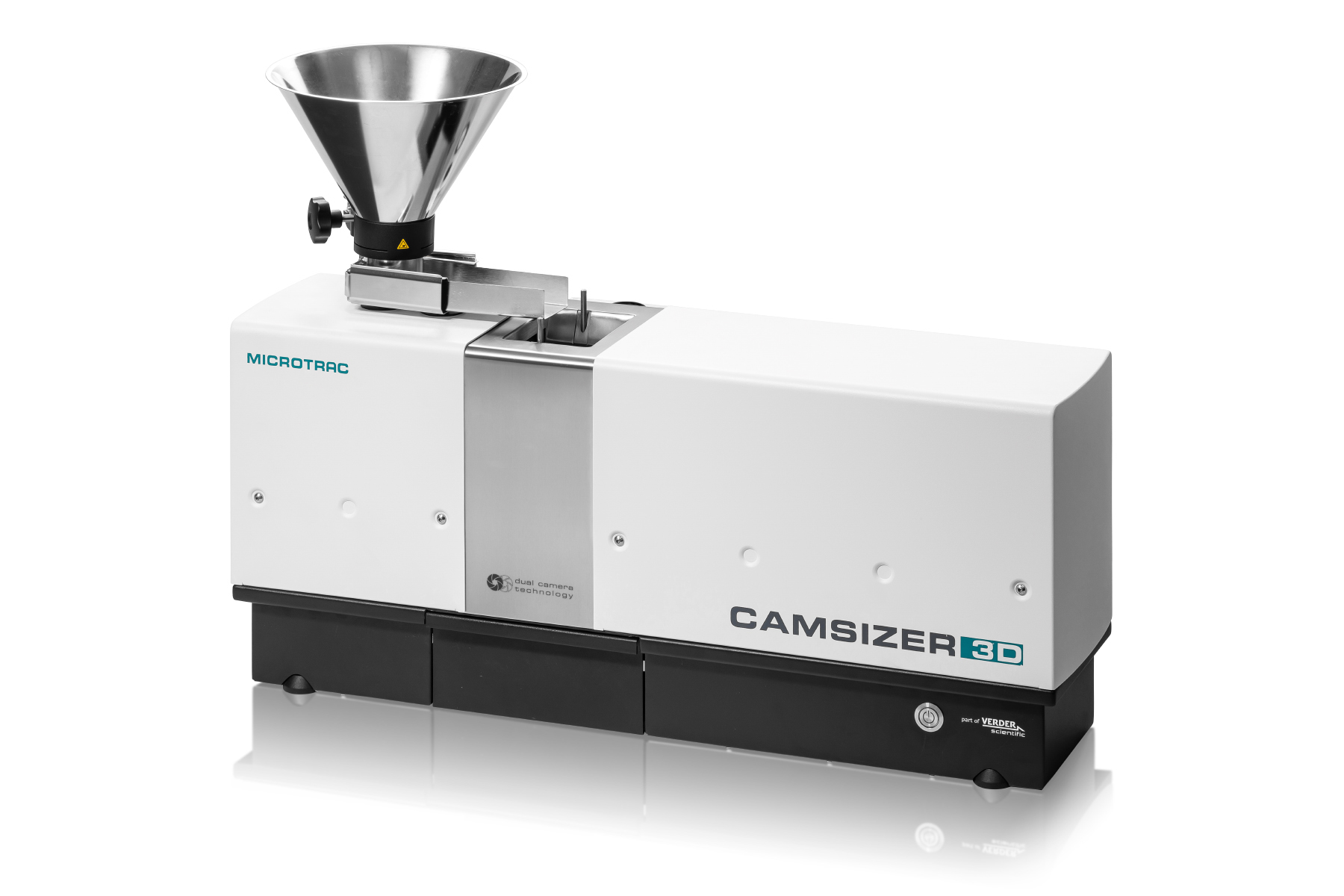
Kvantifikace morfologie zrn pomocí CAMSIZER
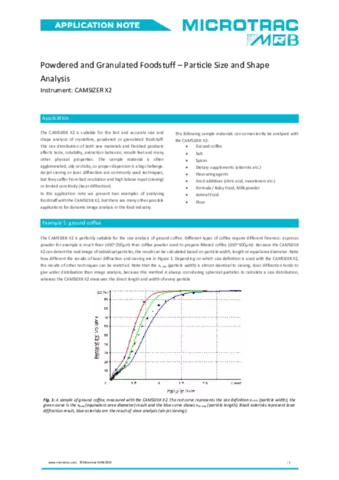
Nástroje MICROTRAC CAMSIZER používají dynamickou analýzu obrazu k určení parametrů velikosti a tvaru částic, jako jsou délka, šířka, poměr stran a kulovitost, v práších, zrnách a granulátech. Je to zvláště cenné pro materiály, kde tvar ovlivňuje zpracování nebo zákaznický zážitek.
Data CAMSIZER mohou pomoci výrobce potrava hodnotit rovnoměrnost kávového mletí, tvar cukrových krystalů, prášku z vysušeného mléka, zrn a dalších nerovnoměrných ingrediencí; rychle detekovat materiál mimo specifikace; a optimalizovat procesy mletí, směšování a třídění. Pro produkty s širokými rozděleními poskytuje analýza založená na obrázku také informace, které konvenční třídění nemůže tak přímo zachytit.
Úzké disperze, nanoúčinky a nanoemulze
Některé potrava formulace obsahují koloidní nebo submikronové složky, které vyžadují jiný analytický přístup. Emulgátory, nanoenkapsulované složky, jemné stabilizátory a nanoemulze mohou vykazovat změny v velikosti částic nebo agregaci, které přímo ovlivňují vzhled, výkon dodání a fyzickou stabilitu.
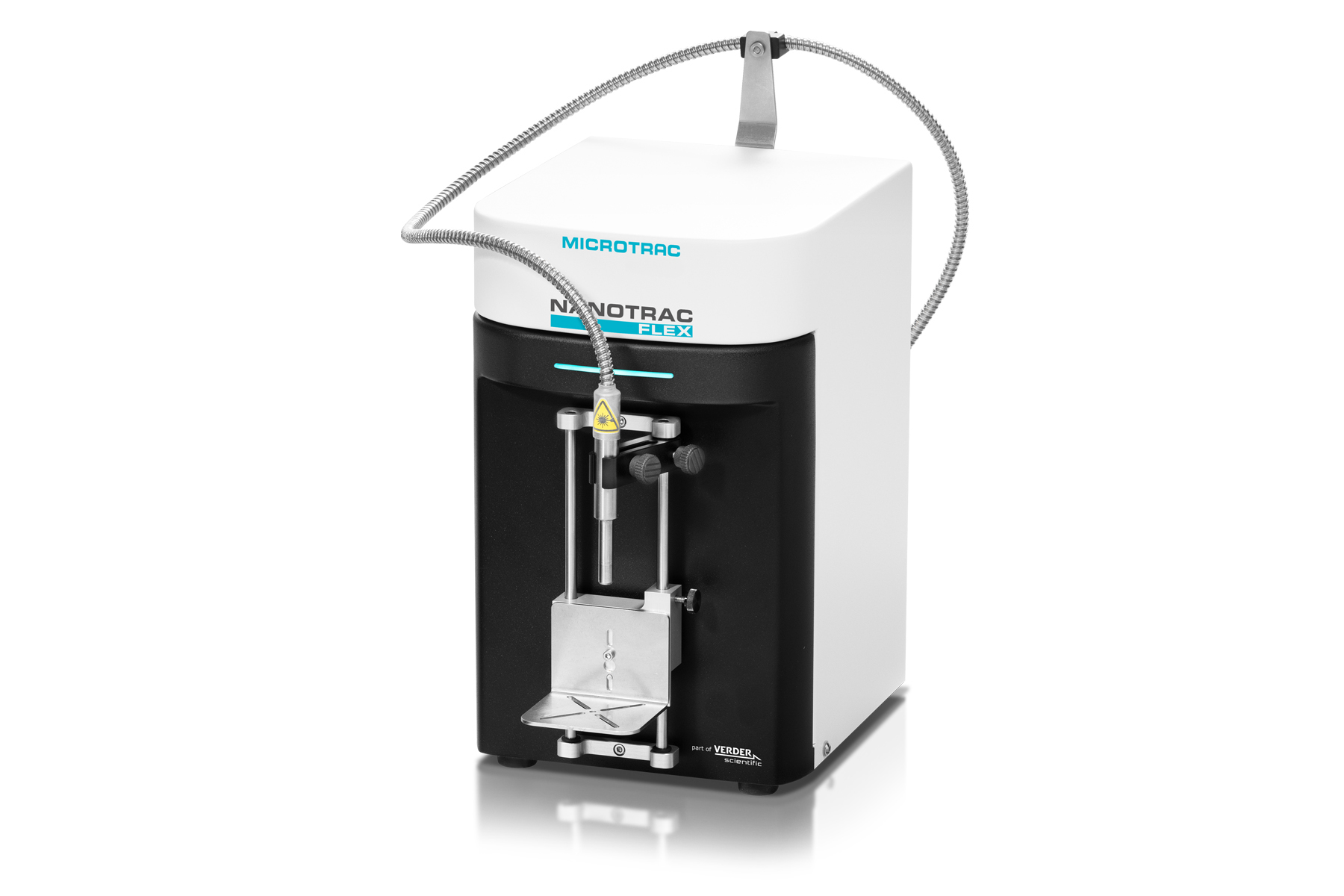
Měření submikronových složek s Nanotrac Flex
MICROTRAC Nanotrac Flex používá dynamický rozptyl světla pro citlivou analýzu velikosti částic v podmikronovém a nanometrovém rozmezí. Doplňuje laserovou difrakci a obrazovou analýzu, když je disperzní fáze příliš jemná pro konvenční metody zaměřené na prášek.
Pro výzkum a vývoj potrava a nápojů může to podporovat srovnání formulací, detekci agregace, hodnocení jemných koloidních složek a charakterizaci nanoshopných disperzí před jejich zavedením do hotového produktu.
Nápoje, emulze a proteinové disperze
Emulze nápojů a potrava mohou obsahovat kapičky, proteiny, koloidy nebo suspenzované částice, které interagují během zpracování a skladování. Formulace může vypadat okamžitě po výrobě přijatelně a přesto později se může objevit zkoudění, sedimentace, krejmutí nebo agregace. Analýza stability nápojů proto těží z kombinování informací o velikosti částic, povrchovém náboji a přímé fyzické stabilitě.
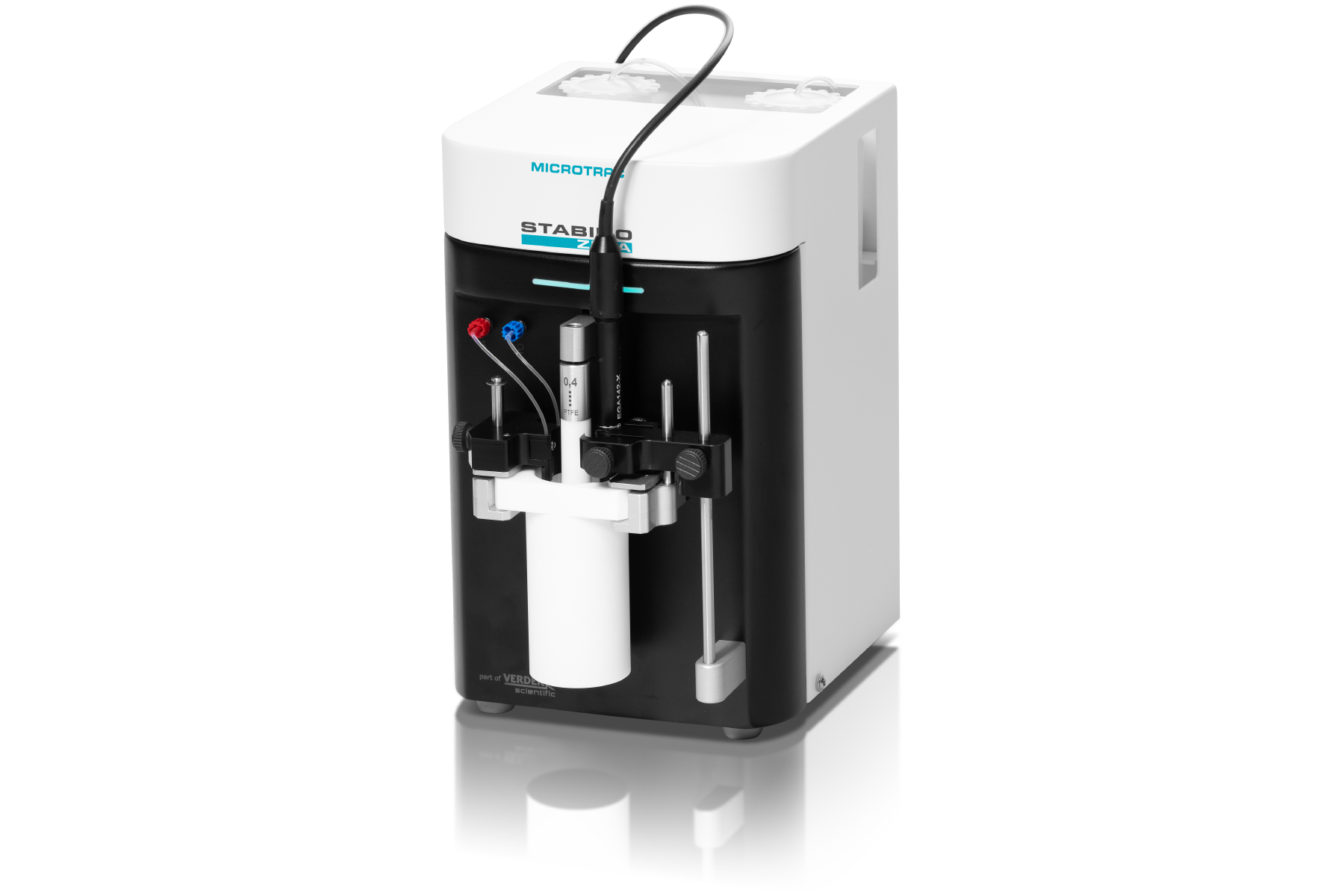
Porozumění koloidním interakcím se Stabino Zeta
MICROTRAC STABINO ZETA používá technologii proudového potenciálu k měření Potenciálu Zeta a podpoře titrace náboje v koncentrovaných disperzích. Měření lze provádět s minimální změnou vzorku, což je důležité, když by diluční změna ovlivnila původní chování formulace.
Měření Potenciál Zeta potrava emulzí může pomoci formulátorům porovnávat stabilizátory, proteiny a procesní podmínky; vyšetřovat rizika agregace; a porozumět tomu, jak elektrostatické interakce přispívají k stabilitě nápojů, mléčných systémů, rostlinných produktů, omáček a jiných disperzních potravin.
Nápoje, emulze a proteinové disperze
Emulze nápojů a potrava mohou obsahovat kapičky, proteiny, koloidy nebo suspenzované částice, které interagují během zpracování a skladování. Formulace může vypadat okamžitě po výrobě přijatelně a přesto později se může objevit zkoudění, sedimentace, krejmutí nebo agregace. Analýza stability nápojů proto těží z kombinování informací o velikosti částic, povrchovém náboji a přímé fyzické stabilitě.
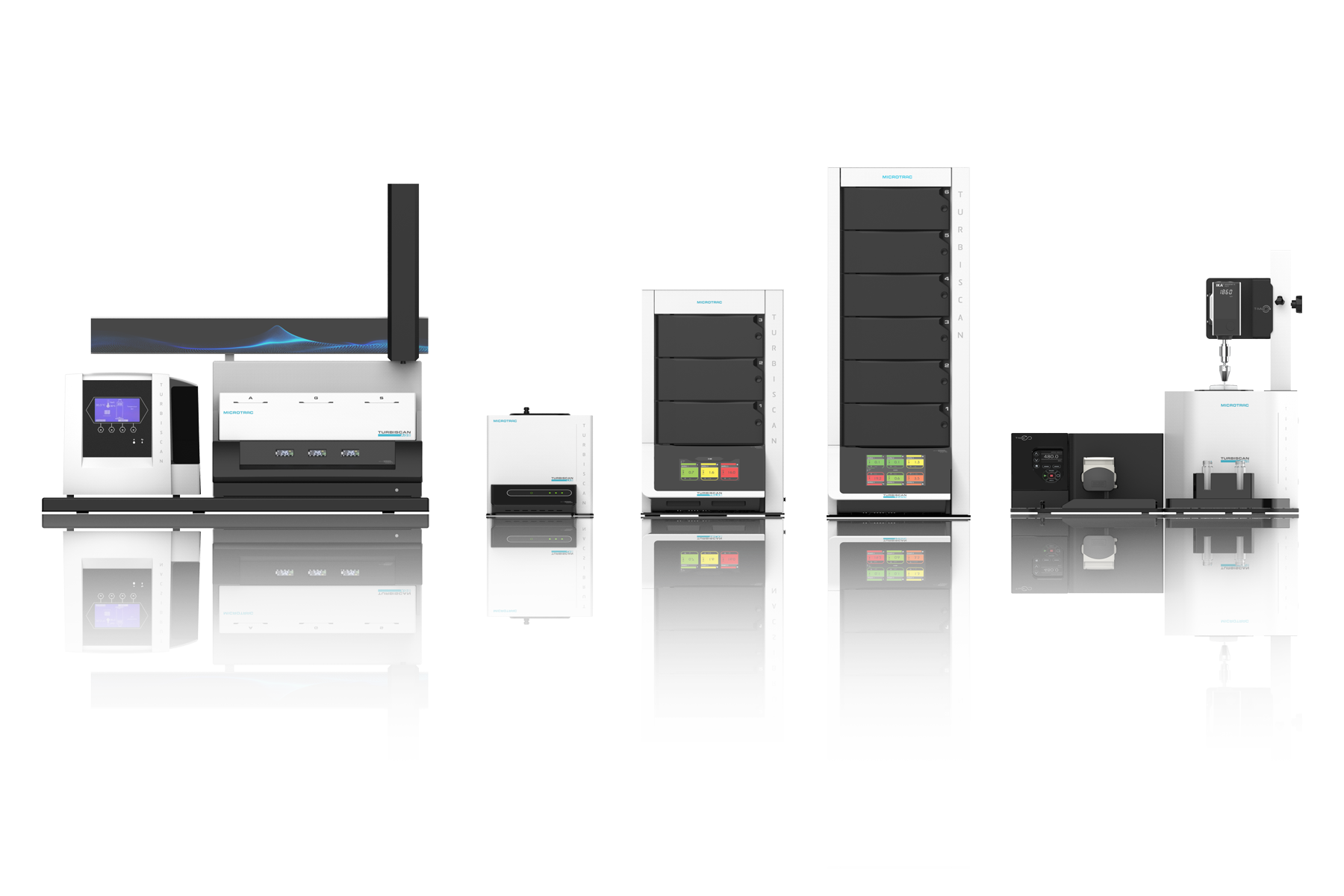
Detekujte fyzickou nestabilitu dříve s TURBISCANem
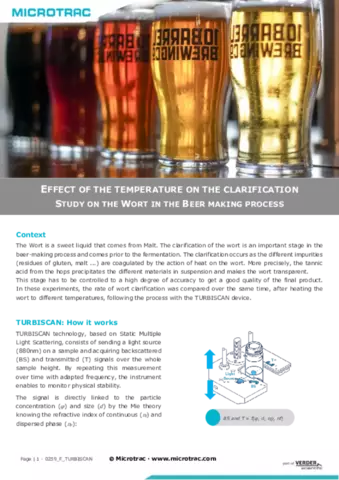
Microtrac TURBISCAN používá Statický vícenásobný rozptyl světla k monitorování změn v vzorku předtím, než jsou zjevné pro oko. Může sledovat sedimentaci, krejmutí, zjasňování, flokulaci, agregaci a další jevy destabilizace v koncentrovaných potrava systémech.
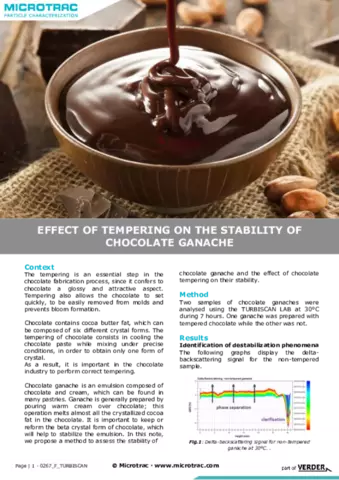
Tento přímý přístup pomáhá týmům výzkumu a vývoje a kontroly kvality rychleji řadit formulace, objektivně porovnávat stabilizační systémy a identifikovat mechanismus stojící za nestabilitou, namísto čekání pouze na vizuální zkušební test pro průchod/neúspěch. Je použitelný pro nápoje, mléčné a rostlinné proteinové systémy, omáčky, emulze a další produkty, kde je dlouhodobá fyzická stabilita kritickým atributem kvality.
Atomizace, enkapsulace a velikost kapky
Atomizované sušení se široce používá k výrobě mléčných prášků, příchutí, koření, enkapsulovaných aktivních látek a dalších funkčních ingrediencí. Rozdělení velikosti kapiček během atomizace ovlivňuje sušicí chování, finální velikost prášku, rozpustnost, plynulost a konzistenci výsledného produktu.
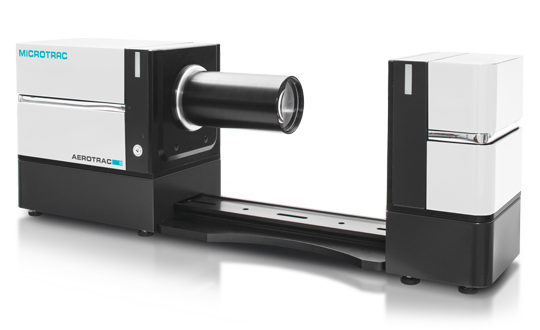
Optimalizace atomizace s Aerotrac II
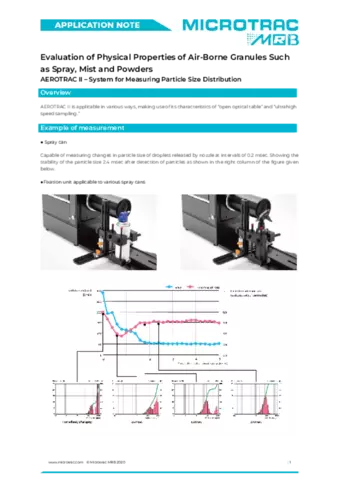
Microtrac Aerotrac II poskytuje měření rozprachu a velikosti kapiček v reálném čase, což umožňuje vývojovým týmům porovnávat výstřikové hlavice, provozní nastavení a změny formulace přímo v kroku atomizace.
Spojováním výstřikových podmínek s vlastnostmi vznikajícího prášku nebo povlaku může Aerotrac II podpořit konzistentější procesy sušení výstřikem, enkapsulaci chutí nebo živin a další aplikace, kde je kontrola kapičky důležitou procesní proměnnou.
Povrchová plocha a poréznost dehydratovaných a porézních ingrediencí
Specifická povrchová plocha a porová struktura mohou ovlivňovat adsorpci, disolvaci, absorpci tekutin a chování rekonstituce v porézních nebo dehydratovaných ingrediencích. Tyto parametry jsou zvláště relevantní, když vývojáři potřebují pochopit, proč prášky s podobnými velikostmi částic vykazují odlišné funkční chování.
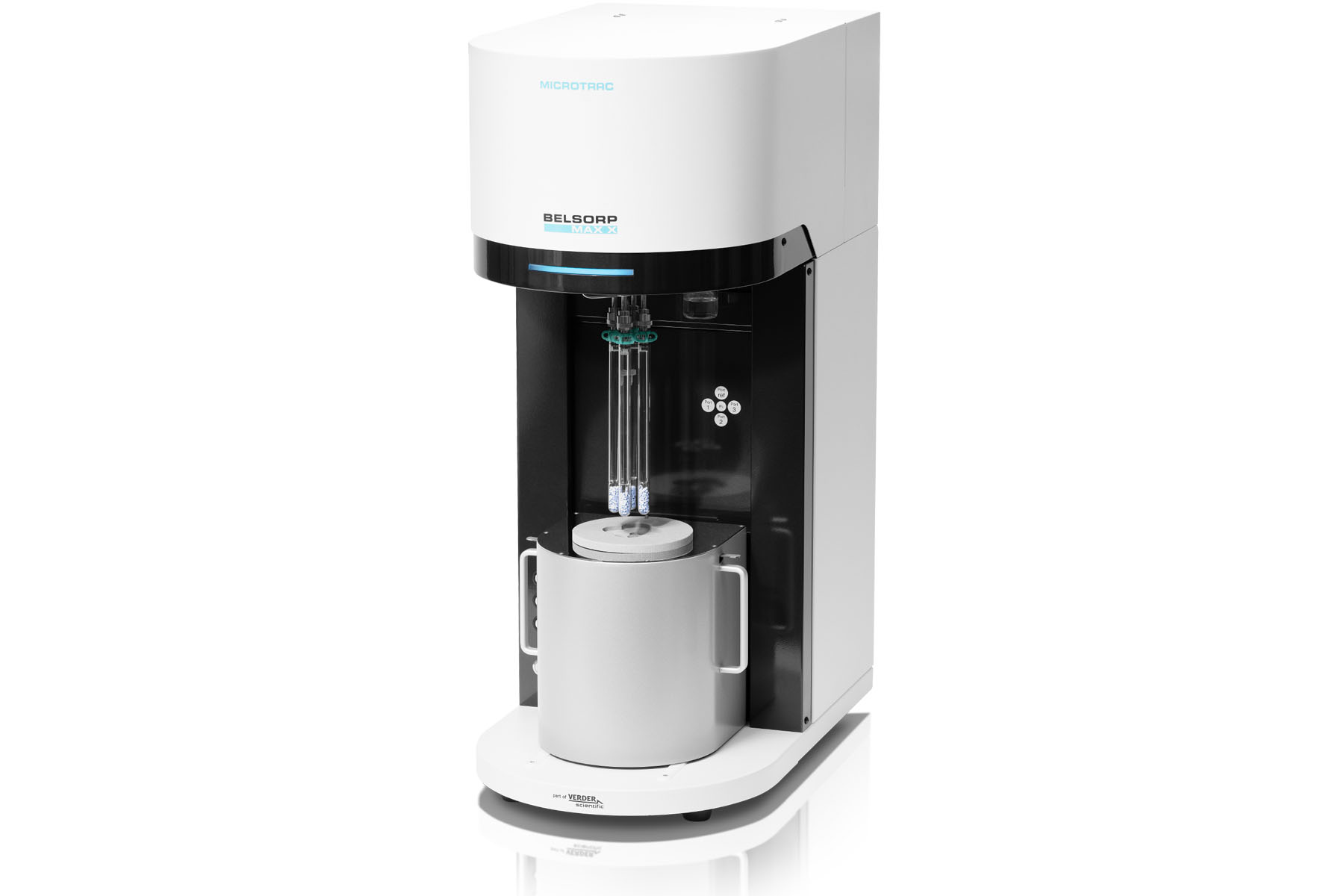
Přidejte informace o povrchu s BELSORP
Nástroje Microtrac BELSORP používají techniky Adsorpce plynu k charakterizaci specifické povrchové plochy a pórové struktury. Pro vybrané potrava aplikace mohou tyto měření doplnit údaje o velikosti částic při hodnocení porézních nosičů, dehydratovaných prášků a materiálů, jejichž interakce s tekutinami nebo chutěmi závisí na dostupné povrchové ploše.
Vyberte měření, které odpovídá potrava systému
Rutinové rozdělení velikosti částic s doplňujícími informacemi o tvaru a aglomeraci pro práškové a kapalné vzorky.
Podrobný rozměr a morfologie kávy, cukru, prášků sušených ve spreji, zrn a jiných nepravidelných zrn.
Těsné disperze, koloidy a nanoshopové složky.
Koloidní interakce a optimalizace formulací v nápojích a emulzích.
Sedimentace, krystalizace, zjasňování, agregace, rekonstituce a srovnání zrychlených formulací.
Měření velikosti kapiček v reálném čase při sušení z mlhy, v pokročilém povrchovém recovaniu a v vývoji enkapsulace.
Specifická povrchová plocha a pórová struktura pro vybrané porézní nebo dehydratované potrava ingredience.

Klíčové aplikace v potrava a nápojovém průmyslu
- Káva, kakaové prášek, mouka, cukr, zrn a analýza částic jiných potrava prášků
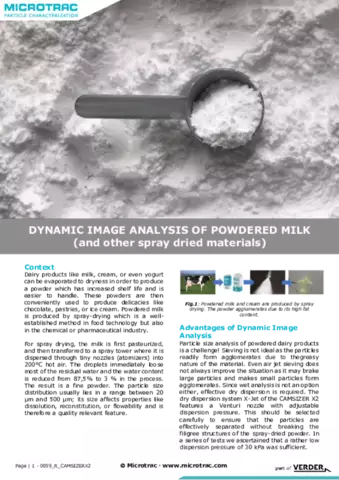
- Mléčný prášek a velikost, tvar a chování rekonstituce susených ingrediencí ve spreji
- Analýza stability nápoje pro zkoumání zjasňování, sedimentace a suspenzovaných částic
- Potenciál Zeta potravinové emulze a optimalizace disperze
- Solubilizace, emulgace a studie stability bílkovin rostlin
- Nanoemulze a charakterizace velikosti částic jemné disperze
- Analýza kapalek výstřikem pro sušení, enkapsulaci a procesy nátěru
- Kontrola kvality procesů mletí, mletí, směšování a třídění
Poznámky k aplikaci a technické zdroje
Prozkoumejte praktické příklady pokrývající kávu, cukr, mlékový prášek, nápoje, proteiny, emulze, procesy rekonstrukce a spreje.
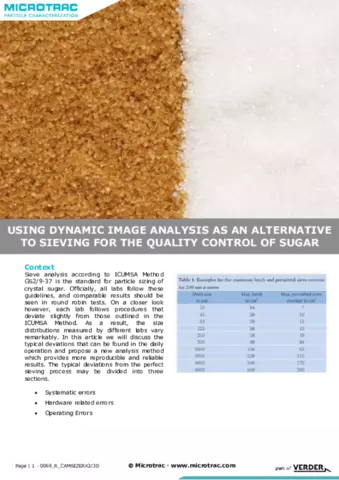
Using Dynamic Image Analysis as an Alternative to Sieving for the quality control of sugar
Size and shape analysis of sugar with CAMSIZER P4 and X2 as an alternative to sieve analysis.











Přeměna částicových dat na konzistentnější potrava produkty
Užitečný pracovní postup pro analýzu potravy začíná fyzickou formou produktu a kvalitativním atributem, který je třeba kontrolovat. Ať už je výzvou konzistence mletí, rekonstituce prášku, zjasnění nápoje, stabilitu emulze nebo sušení ze stříkání, doplňkové měření částic může pomoci propojit volby formulace a procesu s měřitelným chováním produktu.
Specialisté Microtrac mohou pomoci identifikovat vhodnou kombinaci velikosti částic, tvaru, náboje, stability, měření rozpylu a povrchu pro vzorek a aplikaci.
Zdiskutujte své požadavky na produkt, proces a vzorky se specialistou Microtrac.