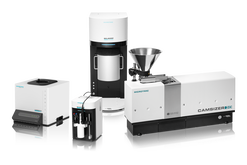






Analýza velikosti částic a stability pro barvy, tuše a nátěry Povrchové úpravy, barvy a tusy
Intenzita barvy, opakost, lesk, tokové chování, povrchová úprava a doba skladovatelnosti závisí na tom, jak se částice chovají v formulaci barvy, inkoustu nebo povlaku. Pigmenty, naplnivky, vaziva a funkční přísady musí být pečlivě charakterizovány, aby se zabránilo aglomeraci, sedimentaci, nekonzistentnímu nasávání a viditelným vadám v finálním filmu.
Microtrac poskytuje technologie pro charakterizaci částic pro suché prášky, koncentrované disperze, nanokomponenty, lakovací spreje a hotové formulace. Měřením velikosti, tvaru, povrchových vlastností, náboje a fyzické stability mohou formulátoři a týmy kontroly kvality identifikovat materiální příčiny výkyvů v výkonu a přijímat lépe informované rozhodnutí o formulaci a procesu.
Od kvalifikace surovin a optimalizace mletí až po testování stability a kontrolu kvality finálního produktu pomáhá analýza velikosti částic pro barvy a povlaky výrobcům zlepšit konzistenci, zkrátit vývojové cykly a dosáhnout spolehlivějšího výkonu produktu.

Spojití vlastností částic s výkonem povlaku
Analýza částic formulace barvy pomáhá výrobcům porozumět, jak pigmenty, náplně a další dispergované materiály ovlivňují jak zpracování, tak kvalitu finálního povlaku.
- Ovládání síly barvy, skrytí výkonu, opakosti a lesku
- Detekce agregátů a hodnocení účinnosti disperze pigmentu
- Optimalizace podmínek frézování, míchání a formulace
- Porovnání koncentrací disperzantů, surfaktantů a stabilizátorů
- Zlepšování toku, rovinnosti a rovnoměrnosti filmu
- Zamezení sedimentace, flokulace a fáze separace
- Kontrola fluidizace a depozice práškového nátěru
- Optimalizace velikosti kapiček v aplikacích s mlhkováním a inkjetem
Nástroje Microtrac poskytují doplňkové měření pro tyto výzvy, což uživatelům umožňuje vybrat analytický přístup, který nejlépe odpovídá jejich materiálu, formulaci a výrobnímu procesu.
Analýza velikosti částic pigmentu pro spolehlivou barvu a vzhled
Velikost částic pigmentu silně ovlivňuje, jak světlo interaguje s povlakem. Změny v distribuci velikosti částic mohou ovlivnit sílu barvy, opakost, krytost, lesk a vzhled dokončené povrchové vrstvy. Příliš velké částice a aglomeráty mohou také vytvářet vady, snižovat kvalitu disperze a způsobovat nekonzistentní výsledky mezi výrobními šaržemi.
Laserová difrakce poskytuje rychlé a opakovatelné měření distribuce velikosti částic pro pigmenty, plniva a další složky potahů. Může se používat během kontroly surovin, vývoje mletí a disperze, ale také pro rutinní kontrolu kvality výroby.
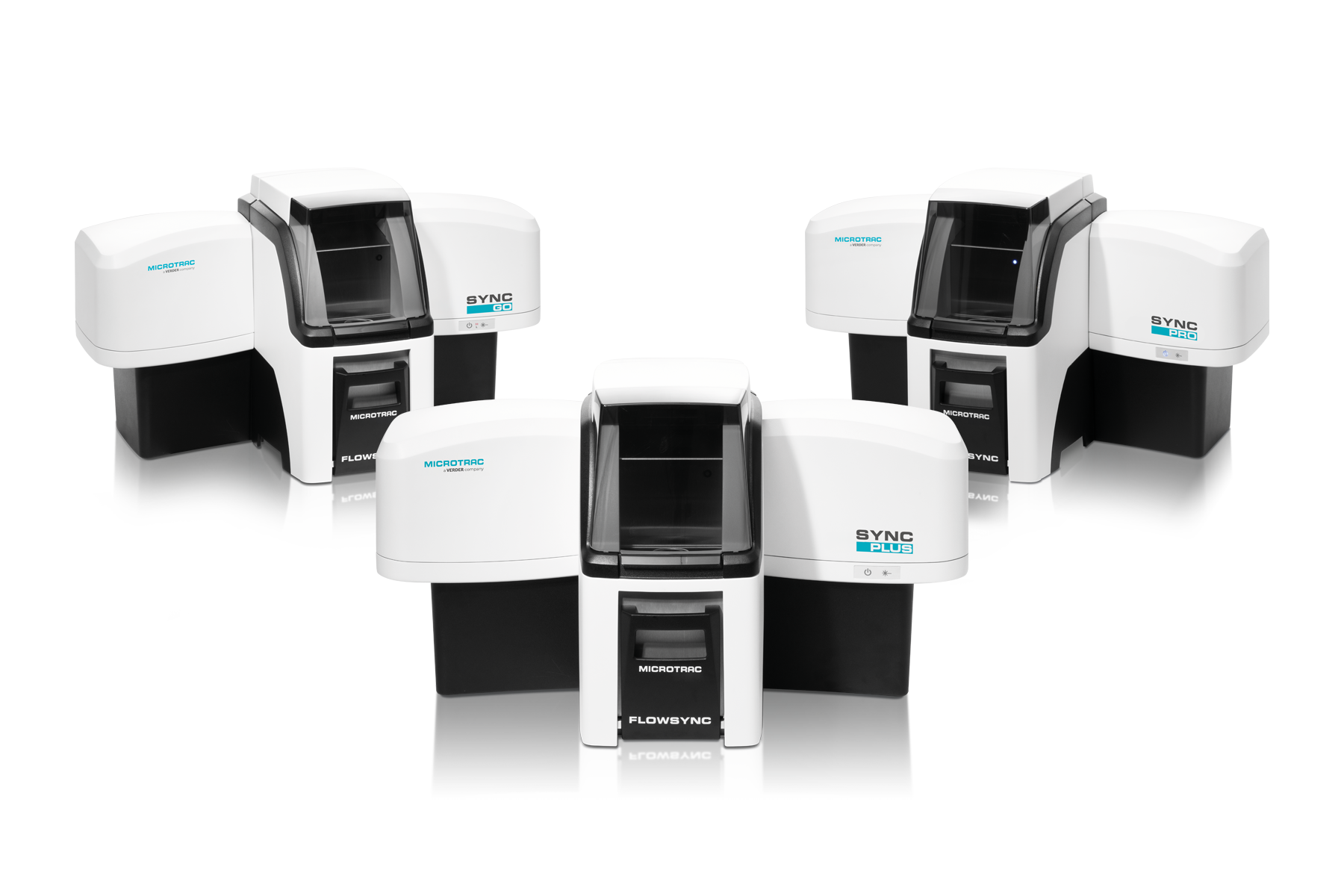
Měření velikosti a tvaru částic pomocí SYNC
MICROTRAC SYNC kombinuje laserovou difrakci s dynamickou analýzou obrazu v jednom přístroji. Tento přístup s dvojitou technologií měří velikost částic a zároveň poskytuje vizuální a kvantitativní informace o tvaru částic a agregaci.
- Monitorování rozvrstvení pigmentů a částic náplně
- Detekce nadměrných částic a aglomerátů
- Vyhodnojte změny během frézování nebo disperze
- Porovnejte příchozí šarže surovin
- Vyšetřovat varianty v lesku, opakosti nebo povrchovém vzhledu
- Charakteryzovat kapalné a suché vzorky v širokém rozmezí velikostí
Spojení dat o rozložení velikosti s obrázky částic pomáhá rozlišit jednotlivé částice od aglomerátů a poskytuje více kontextu než samotné výsledky velikosti částic. Je to zvláště cenné, když materiály s podobnými rozloženími velikosti vykazují odlišné formulace nebo aplikační chování.
Subilní částice, nanoadditivy a velikost částic inkoustu
Pokročilé povlaky a tusy stále častěji obsahují submikronové a nanodíky, jemné pigmenty, funkční přísady a koloidní složky. Tyto materiály mohou ovlivňovat optické vlastnosti, konduktivitu (pro vodivé tusy), bariérové vlastnosti, odolnost a jiné specializované funkce, ale jejich chování závisí na udržení kontrolovaného rozměru částic a stabilní disperze.
Dynamický rozptyl světla rozšiřuje analýzu velikosti částic do submikronového a nanometrového rozsahu, což ho činí vhodným pro jemné disperze, které nelze plně charakterizovat pomocí konvenčních metod pro větší částice.
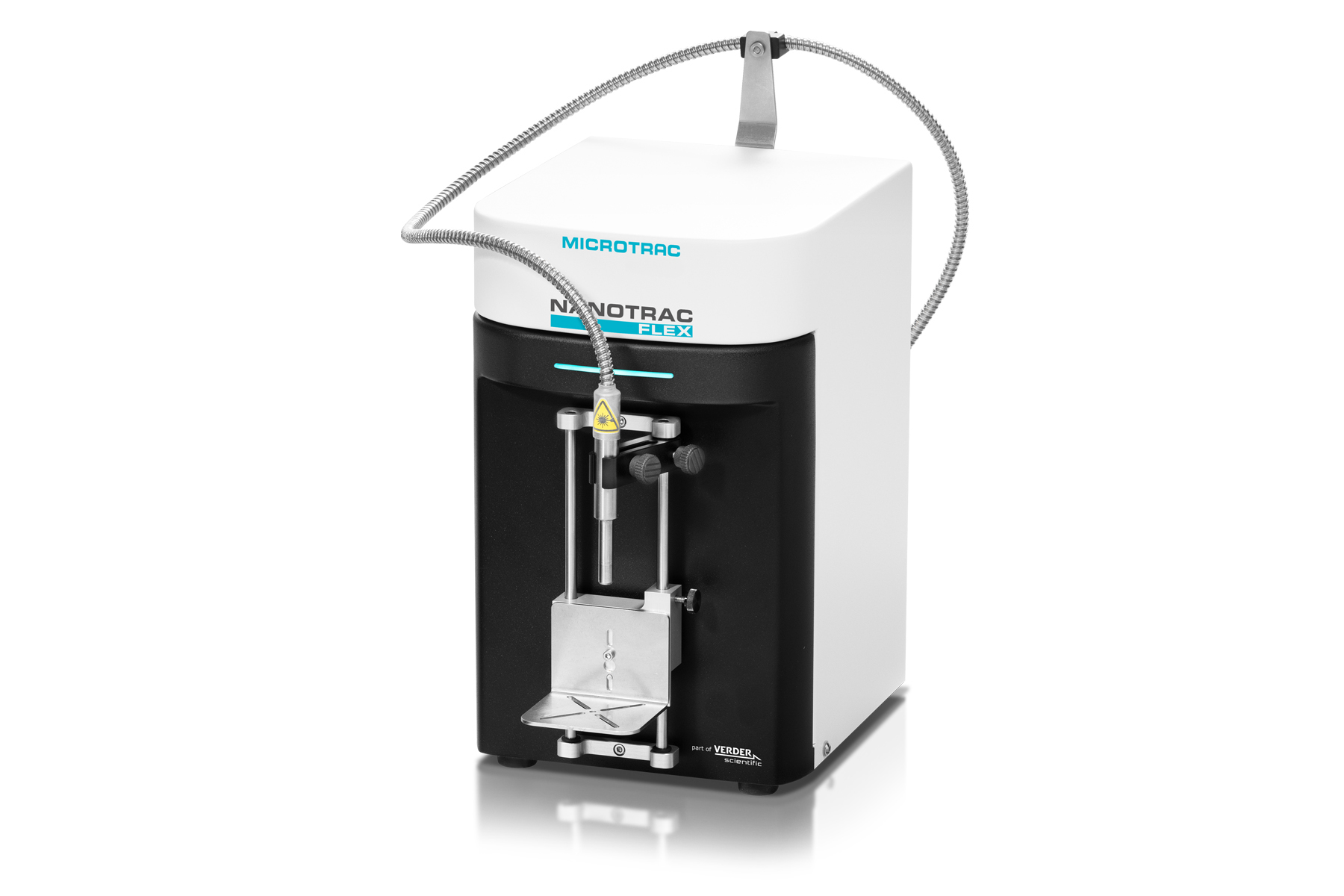
Analýza nanometrických složek s NANOTRAC FLEX
MICROTRAC NANOTRAC FLEX používá dynamický rozptyl světla k měření koloidních a nanoshopových částic v inkoustech, povlakech a pigmentových disperzích. Jeho jedinečný design sondy a Laser Amplified Detection umožňují rychlé a přesné měření přímo v téměř jakémkoli vzorku, i při vysokých koncentracích a bez předchozího roztoku.
- Nanoadditiva používaná v funkčních povlakech
- Dobré organické a anorganické pigmenty
- Tnačinky a inkjet formulace
- Koloidní spojivky a složky pro potažení
- Funkcionalizované nebo povrchově upravené částice
- Změny v velikosti částic způsobené agregací
Nanotrac Flex pomáhá týmům pro formulace určit, zda jsou jemné částice dostatečně disperzovány a zda zpracovatelské nebo skladovací podmínky způsobují růst částic nebo aglomeraci. Výsledná data mohou podpořit výběr surovin, optimalizaci disperze a řešení problémů, když formulace již neposkytuje očekávané optické nebo aplikační vlastnosti.
Pulverizní nátěry, pigmenty a funkční materiály analýza velikosti a tvaru částic
Výkon povlaku závisí na více než jen na průměrné velikosti částic. Celková distribuce velikosti částic a morfologie ovlivňují klíčové vlastnosti, jako je fluidizace, transport, znečištění, chování disperze, usazování, pokrytí povrchu a finální vzhled povlaku. Příliš velký podíl jemných částic může způsobit problémy s manipulací nebo zjištěním, zatímco příliš velké částice mohou vést k nerovnoměrnému usazování a povrchovým vadám. Tvar částic je stejně důležitý – zejména u pigmentů, vloček, plnících a jiných nekovárných materiálů – protože ovlivňuje viskozitu, orientaci a celkový výkon povlaku. Parametry jako poměr stran, kruhovost a šířka částic pomáhají vysvětlit rozdíly mezi materiály s podobnými jmenovitými velikostmi, a zároveň odhalují aglomeráty, deformované částice a nekonzistence.
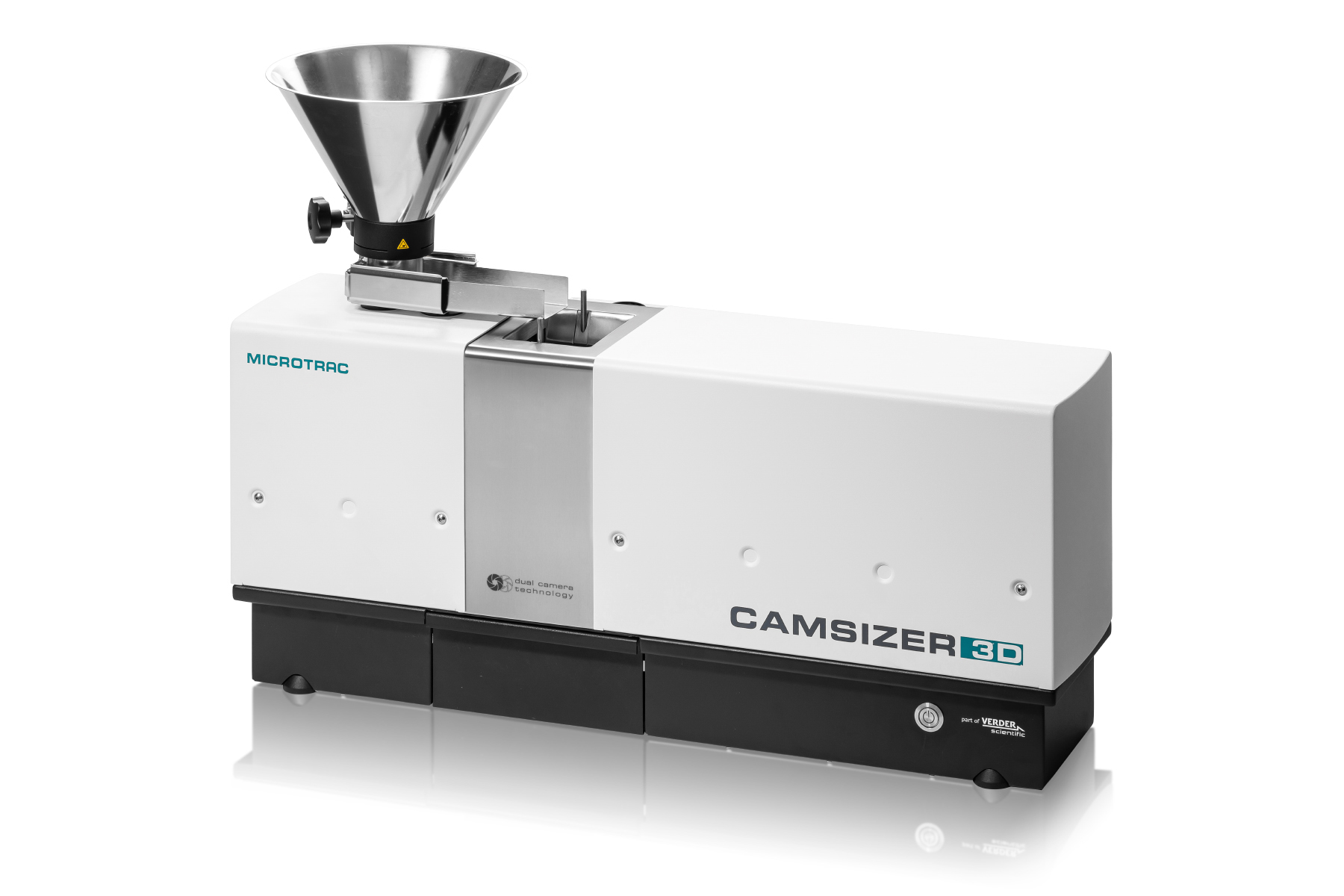
Charakteryzujte velikost a tvar prášku pomocí CAMSIZER
Nástroje MICROTRAC CAMSIZER používají dynamickou analýzu obrazu k rychlé a objektivnímu měření velikosti a tvaru částic. Jejich vysoce rozličné optické systém analyzuje tisíce částic za sekundu a poskytuje statisticky robustní výsledky a spolehlivé detekce i malých frakcí příliš velkých nebo nepravidelných částic. Kvantifikují parametry jako poměr stran, okrouhlost a DIMENSIONS částic a zároveň identifikují aglomeráty a částice mimo specifikace.
- Kontrola distribuce velikosti částic
- Detekce nadměrných částic a aglomerátů
- Hodnocení morfologie částicí
- Srovnání výrobních šarží
- Optimalizace mletí, klasifikace a směšování
Protože je každá změřená částice vyhodnocena jako obraz, dynamická analýza obrazu poskytuje podrobné informace o skutečné morfologii prášku. To umožňuje uživatelům identifikovat rozdíly související s tvarem, které nemusí být viditelné pouze v rozložení velikosti.
Velikost částic inkoustu a barvy a Potenciál Zeta
Výsledky velikosti částic jsou nejdůležitější, když jsou interpretovány spolu s silami působícími mezi disperzními částicemi. Formulace může obsahovat částice správné velikosti ihned po zpracování, ale stále se stát nestabilní během skladování, pokud se částice navzájem přitahují a tvoří floky nebo agregáty.
Potenciál Zeta poskytuje informace o elektrostatických interakcích kolem dispergovaných částic. Pomáhá formulátorům posoudit, zda jsou repulzivní síly dostatečné k udržení částic oddělených, a porovnávat účinek disperzantů, surfaktantů, úpravy pH a jiných změn formulace.
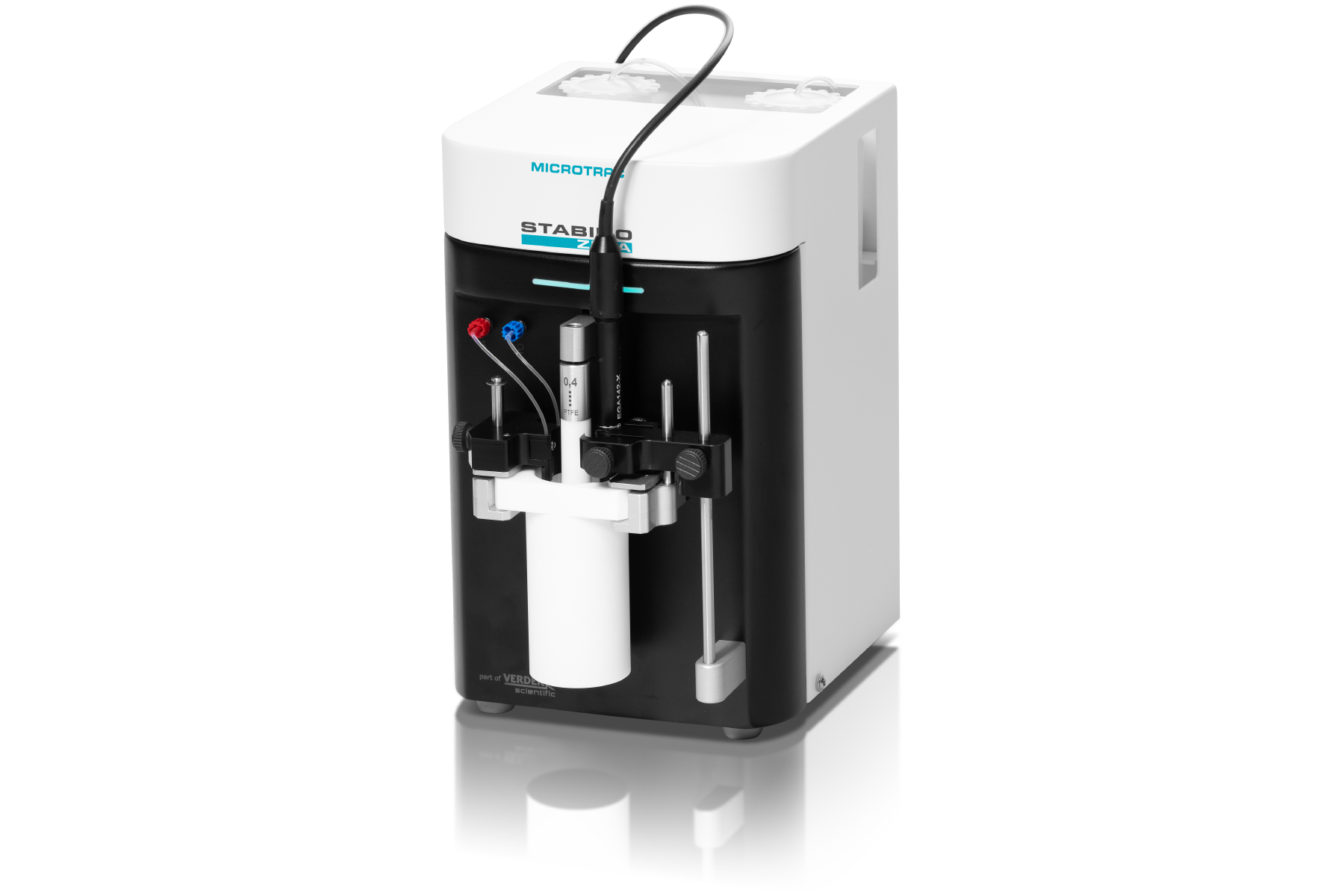
Optimalizace disperzantů s STABINO ZETA
STABINO ZETA používá technologii proudového potenciálu k měření Potenciálu Zeta v širokém rozmezí koncentrací vzorku. Jeho patentovaný design oscilujícího pístu umožňuje rychlé a opakovatelné měření přímo v koncentrovaných suspenzích, čímž se minimalizuje příprava vzorku a zachovávají se skutečné podmínky formulace. Měření lze provádět bez rozsáhlého řízení, které by mohlo změnit původní chování koncentrovaných pigmentů a inkoustů.
- Hodnocení Potenciálu Zeta pigmentu a inkoustu
- Porovnání disperzantů a surfaktantů
- Optimalizace dávkování stabilizátoru
- Vyšetřování interakcí komponent
- Titrace náboje a screening formulací
- Odstraňování problémů s agregací a flokulací
- Analýza vodných a rozpouštědlových systémů
Rychlé zpětné vazby umožňují týmům výzkumu identifikovat podmínky, které zajišťují účinnou stabilizaci částic. To může snížit vývoj založený na zkoušce a chybě a pomoci zabránit změnám barvy, změnám viskozity a problémům při aplikaci spojeným s nestabilní disperzí.
Testování stability disperze povlští a predikce životnosti
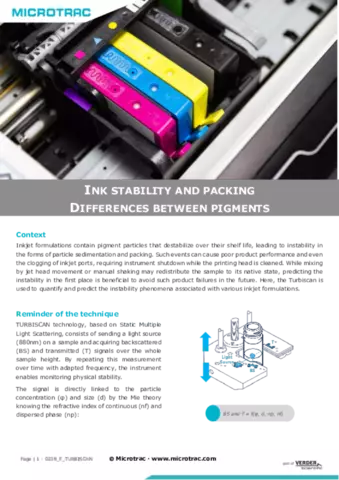
Sedimentace, krémování, zkoušení, flokulace a fáze separace mohou snížit hodnotu povlaku dlouho předtím, než dorazí k uživateli. Tradiční testování životnosti se často spoléhá na vizuální kontrolu a prodlouženou skladování, což znamená, že nestabilita může být detekována až po týdnech nebo měsících.
Vizuální pozorování také poskytuje omezené informace o tom, kdy začíná nestabilita nebo který fyzikální mechanismus je za ni zodpovědný.
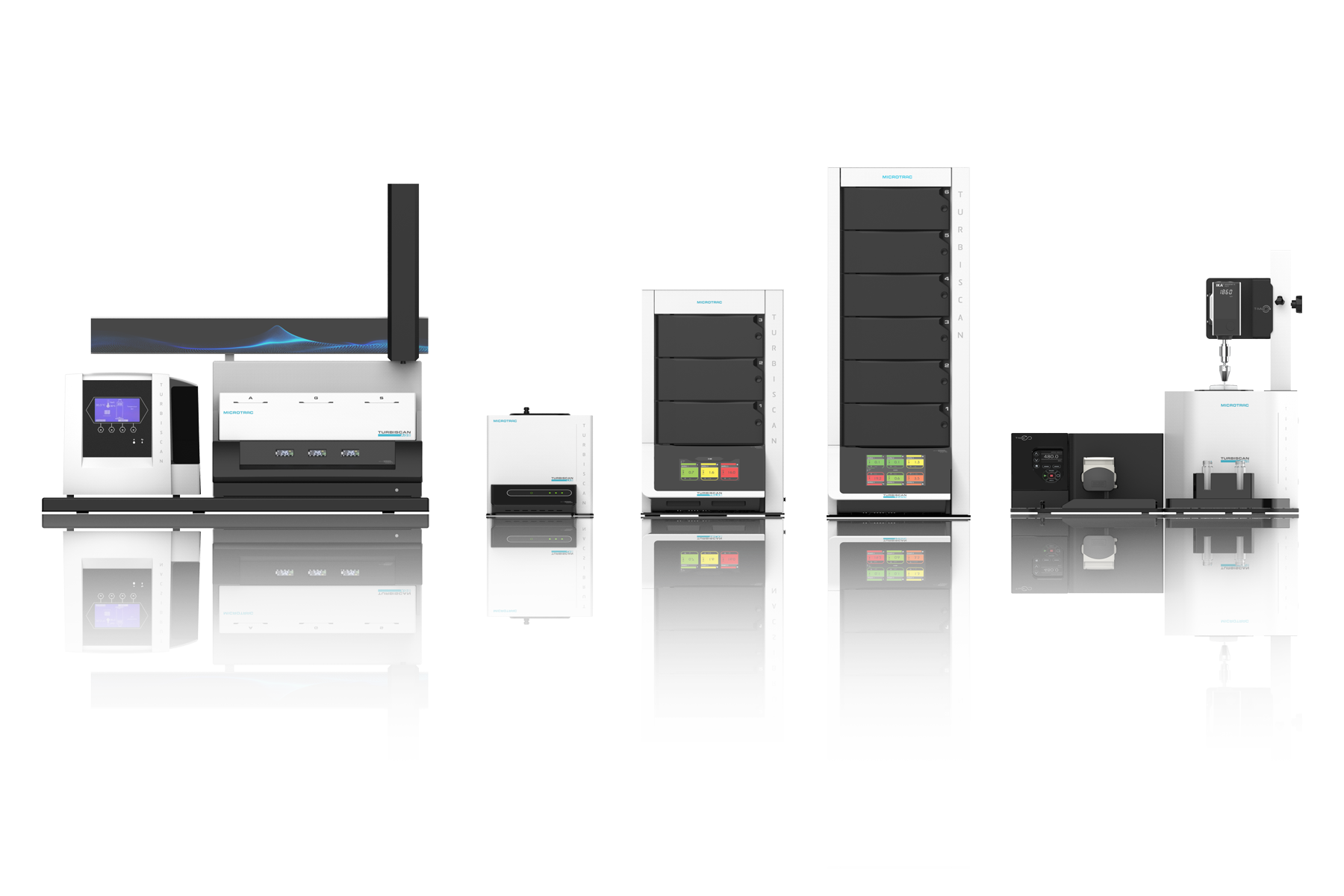
Detekujte nestabilitu dříve s TURBISCANem
Rozsah MICROTRAC TURBISCAN používá statický vícenásobný rozptyl světla k monitorování fyzikálních změn v celém vzorku bez spoléhání se pouze na vizuální hodnocení.
Pomocí detekce změn předtím, než se stanou viditelné, TURBISCAN pomáhá formulátorům rychleji porovnávat kandidátské formulace a provádět urychlené studie stability. V vhodných aplikacích lze identifikovat rozdíly, které by jinak vyžadovaly prodloužené skladování, během hodin nebo dnů.
- Migrace jako: sedimentace, krystalizace, zkouřování
- Změny velikosti částic: flokulace, agregace, koalescence…
- Fázové oddělení
- Chování balení a redispergovatelnosti
- Rychlejší výběr formulací
- Rанější identifikace nestabilních produktů
- Více objektivní srovnání stabilizátorů a disperzních činidel
- Stěkání vývoje a řešení problémů
- Zlepšená důvěra v výkon při skladování a přepravě
- Snížení závislosti na subjektivních vizuálních hodnoceních
TURBISCAN je zvláště užitečný pro koncentrované pigmentové disperze, tuše, emulze a formulace, které by se před analýzou neměly řídit.
Povrchová plocha a poréznost v speciálních nátěrech
Povrchová plocha a porová struktura ovlivňují, jak prášky interagují s vazivkami, rozpouštědlymi a dalšími složkami formulace. Tyto vlastnosti mohou ovlivnit potřebu tekutiny, adsorpci, sušení, pokrytí a mechanické vlastnosti dokončené vrstvy.
Měření povrchové plochy a poréznosti je zvláště užitečné pro porézní náplně, adsorbentní materiály, funkční pigmenty a speciální povlaky navržené pro filtraci, katalýzu, ochranu nebo kontrolovanou interakci s okolním prostředím.
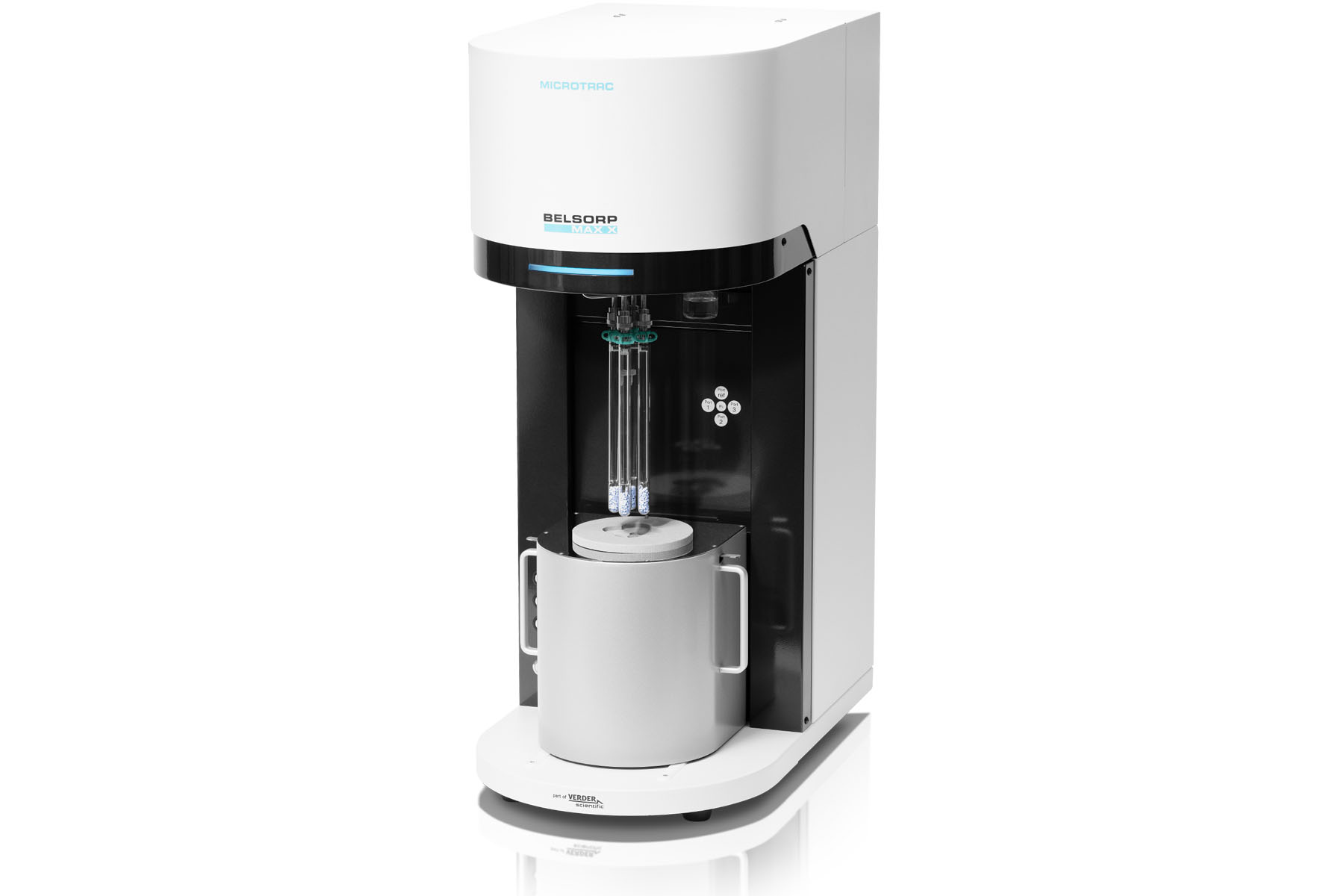
Vyhodnocení povrchových vlastností pomocí BELSORP
Série MICROTRAC BELSORP používá techniky adsorpce plynu k charakterizaci specifické povrchové plochy a pórové struktury.
- Porovnejte povrchovou plochu pigmentů a plnidel
- Charakterizujte složky porézního povlaku
- Vyšetřování interakcí pigment-disperzní prostředek a náplň-disperzní prostředek
- Vyhodnojte adsorpční kapacitu a likvidní poptávku
- Podporujte vývoj funkčních nebo porézních vrstev povlaků
- Identifikujte rozdíly v surovinách, které ovlivňují chování formulace
Tato informace doplňuje analýzu velikosti částic tím, že ukazuje, jaká plocha je k dispozici pro interakci v rámci formulace.
Velikost spreje/kapinky pro nanášení a inkoutní aplikaci
Výkon tekutého povlaku závisí nejen na samotné formulaci, ale také na tom, jak je atomizován a aplikován. Rozdělení velikosti kapiček ovlivňuje pokrytí, přenos, tloušťku filmu, rovnoměrnost povrchu a spotřebu materiálu.
Změny v nástavci, tlaku, viskozitě formulace nebo provozních podmínkách mohou změnit vzor mlžení a vést k přebytečnému mlžení, nestabilnímu tvorbě filmu nebo zbytečnému odpadu.
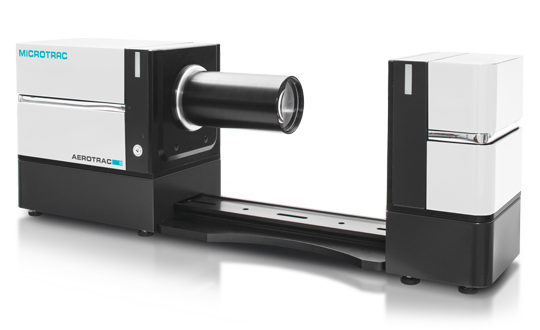
Optimalizace atomizace s Aerotrac II
MICROTRAC AEROTRAC II poskytuje měření rozptýlení a velikosti kapiček v reálném čase pro procesy nanášení povlaků a ink.
- Porovnání rozprašovacích trysek a podmínek atomizace
- Monitorování rozložení velikosti kapiček
- Vyšetřujte změny způsobené úpravami formulace
- Zlepšit pokrytí a rovnoměrnost vrstvy
- Snížit přenos a odpad materiálu
- Podporujte vývoj sprejového lakování a inktařského procesu
Reálná analýza umožňuje vývojovým a procesním týmům přímo propojit provozní podmínky s chováním kapky v místě aplikace.
Vyberte si správný přístup k charakterizaci částic
Různé výzvy při nanášení vyžadují různé měření. Microtrac nabízí komplementární technologie, které pokrývají materiály od nanoshopů po suché prášky a aplikované spreje.
Pro rutinní rozvržení pigmentů, náplní a potápěcího prášku, s dodatečnými obrázky a informacemi o tvaru.
Pro jemné částice, nanoadditivy, koloidní disperze a nanoshopy.
Pro podrobnou analýzu velikosti prášku, morfologie, aglomerátů a nadměrných částic.
Pro povrchovou plochu a pórovou strukturu pigmentů, naplnivadel a porézních potápěných materiálů.
Pro optimalizaci disperzantů, surfaktantů a elektrostatické stabilizace.
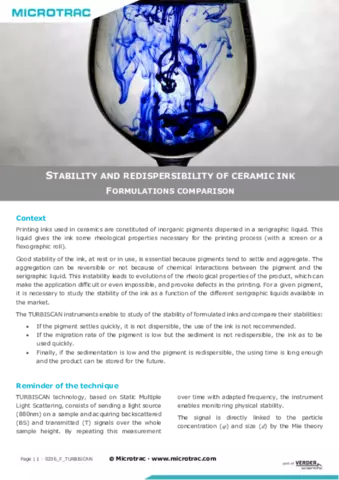
Pro monitorování sedimentace, zředitelnosti, flokulace, fáze separace a redisperovatelnosti.
Pro měření velikosti kapky v reálném čase během aplikací z mlhky a inkjet.
Kombinací těchto technik získá formulátory jasnější pochopení toho, jak vlastnosti surovin, podmínky disperze a parametry aplikace ovlivňují finální výkon povlaku.

Klíčové aplikace v nátěrech, barvách a inkoustech
- Analýza velikosti a tvaru pigmentů a plnivek
- Analýza částic formulace barvy
- Analýza velikosti částic práškového nátěru
- Charakterizace nanodílek a funkčních přísad
- Měření velikosti částic inkoustu a Potenciálu Zeta
- Optimalizace disperzantu a surfaktantu
- Kontrola kvality disperzí a suspenzí
- Testování stability disperze zrychleným nanesením
- Hodnota použitelnosti a hodnocení redisperovatelnosti
- Analýza povrchové plochy a poréznosti
- Optimalizace sprejových kapek a atomizace
Poznámky k aplikaci a technické zdroje
Prozkoumejte praktické příklady charakterizace částic v pracovních procesech pro nátěry, barvy a tusy. Vyberte název technického poznámky níže, abyste otevřeli odkazovaný PDF.
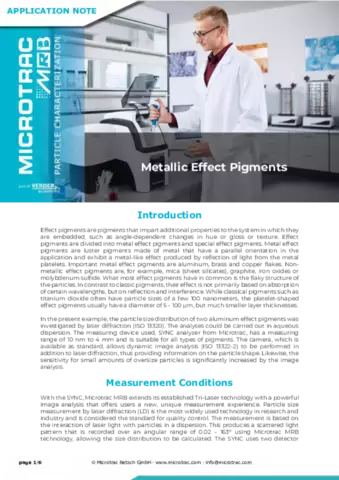
Metallic Effect Pigments
The combination of Laser Diffraction and Dynamic Imaging with the SYNC analyzer provides more comprehensive characterization of metal effect pigments than ever before.
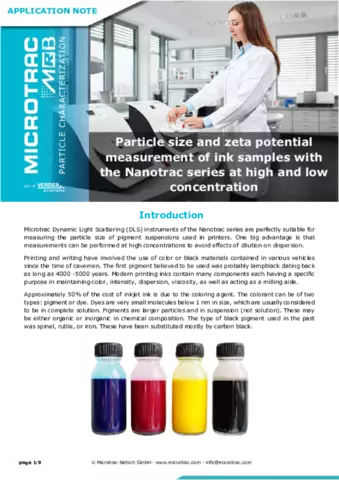
Ink: Measurement of Particle Size and Zeta Potential
An application note about size and zeta potential measurement of high-concentration inks with Nanotrac Wave II.
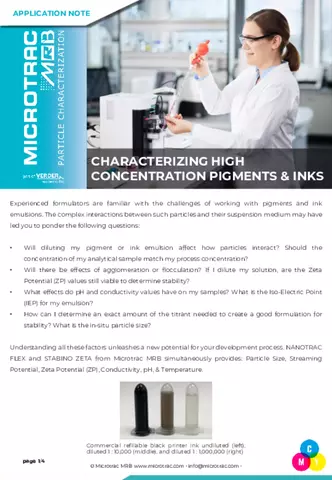
Characterizing high concentration pigments and inks
An Application Note describing the analysis of particle size and zeta potential of inks in pigment dispersions at high concentration.



Vyřešte výzvu formulace nebo kontroly kvality povlaku
Bez ohledu na to, zda je problém aglomerace pigmentu, nestabilní barva, variace práškového lakování, nestabilita disperze nebo výkon stříkání, přístroje Microtrac pomáhají propojit měřitelné vlastnosti částic s reálnými výsledky formulace a výroby.
Sdělte svůj vzorek a měřicí cíl specialistovi Microtrac, aby identifikoval nejvhodnější analytický přístup.