




Analýza veľkosti a tvaru častíc pre stavebné materiály Stavebné materiály
Cement, piesky, agregáty, náplne, sklenené koráliky, vlákna a tuhé cementitické materiály závisia na vlastnostiach častíc, ktoré môžu ovplyvniť spracovanie a konečnú výkonnosť. Distribúcia veľkosti častíc, morfológia, povrchová plocha a pórová štruktúra ovplyvňujú hydratáciu cementu, manipuláciu s materiálom, uskladnenie, merateľnosť, kompakciu a dlhodobé správanie stavebných výrobkov.
Microtrac poskytuje analýzu častíc pre stavebné materiály pre jemné prášky, hrubé a nepravidelné častice, suspenzie a porézne pevné látky. Tieto komplementárne merania podporujú kvalifikáciu surovín, kontrolu kvality výroby, vývoj formulácií a vyšetrovanie utvrdnutých materiálov.
Stratégia charakterizácie stavebných materiálov teda musí zodpovedať meraniu aj stavu materiálu aj otázke výkonu – od analýzy veľkosti častíc cementu počas mletia a premiešvania až po analýzu veľkosti a tvaru agregátu, štúdie disperzie prísadiek a analýzu pórového štruktúry cementu po stuhnutí.
Od triedenia surovín po výkonnosť tvrdého materiálu
Konštrukčné materiály pokrývajú neobvykle široký rozsah veľkosti častíc a často obsahujú nepravidelné, viackomponentné materiály. Koordinovaný analytický pracovný postup môže pomôcť výrobcám a vývojovým tímom:
- Kontrola jemnosti cementu a plniacich pre konzistentné spracovanie a hydratačné správanie
- Kvantifikujte veľkosť a morfológiu pískov, agregátov, zrnkov, sklenených korálikov a vlákien
- Detekujte príliš veľké alebo príliš malé frakcie v širokých alebo zmesných rozpredeniach častíc
- Porovnávať prichádzajúce suroviny a udržiavať kontrolu kvality stavebných materiálov medzi dávkami
- Vyšetrite flokuláciu, sedimentáciu a reakciu kaš na dispergovacie látky alebo prísady
- Meranie specifickej povrchovej plochy, objemu pórov a rozloženia veľkosti pórov v cementových a poréznych materiáloch
- Spojte zpevnenú porovú štruktúru a hustotu s chร่วมnosťou, permeabilitou a odolnosťou súvisiacim chร่วมovým správaním
- Porovnanie chovania karbonatácie pod kontrolovanými testovacími podmienkami
Cieľom nie je aplikovať každú techniku na každý materiál. Je to vybrať merania, ktoré vysvetlia vlastnosť, ktorú sa kontroluje, a kombinovať ich tam, kde veľkosť sama sama nemôže poskytnúť dostatočné informácie.
Analýza veľkosti častíc cementu: Kontrola jemnosti a konzistentnosti procesu
Distribúcia veľkosti častíc cementu je úzmiene konečná s kontrolou mletia, rýchlosťou hydratácie a vývojom pevnosti. Preto majú jemné prášky a zmiešané cementové materiály výhodu rýchlych, opakovatelných meraní, ktoré sa môžu použiť na porovnanie lôk, procesných podmienok a zmien formulácie.
Laserová difrakcia poskytuje efektívne údaje o rozmedii častíc pre cement, minerálne prášky a jemné plniacie látky. Pre materiály s širším rozmedím alebo tam, kde je dôležitá aj morfológia častíc, obrazové informácie môžu pridať užitočný kontext k výsledku veľkosti.
Spojte Laserovú difrakciu a zobrazovanie s Sync
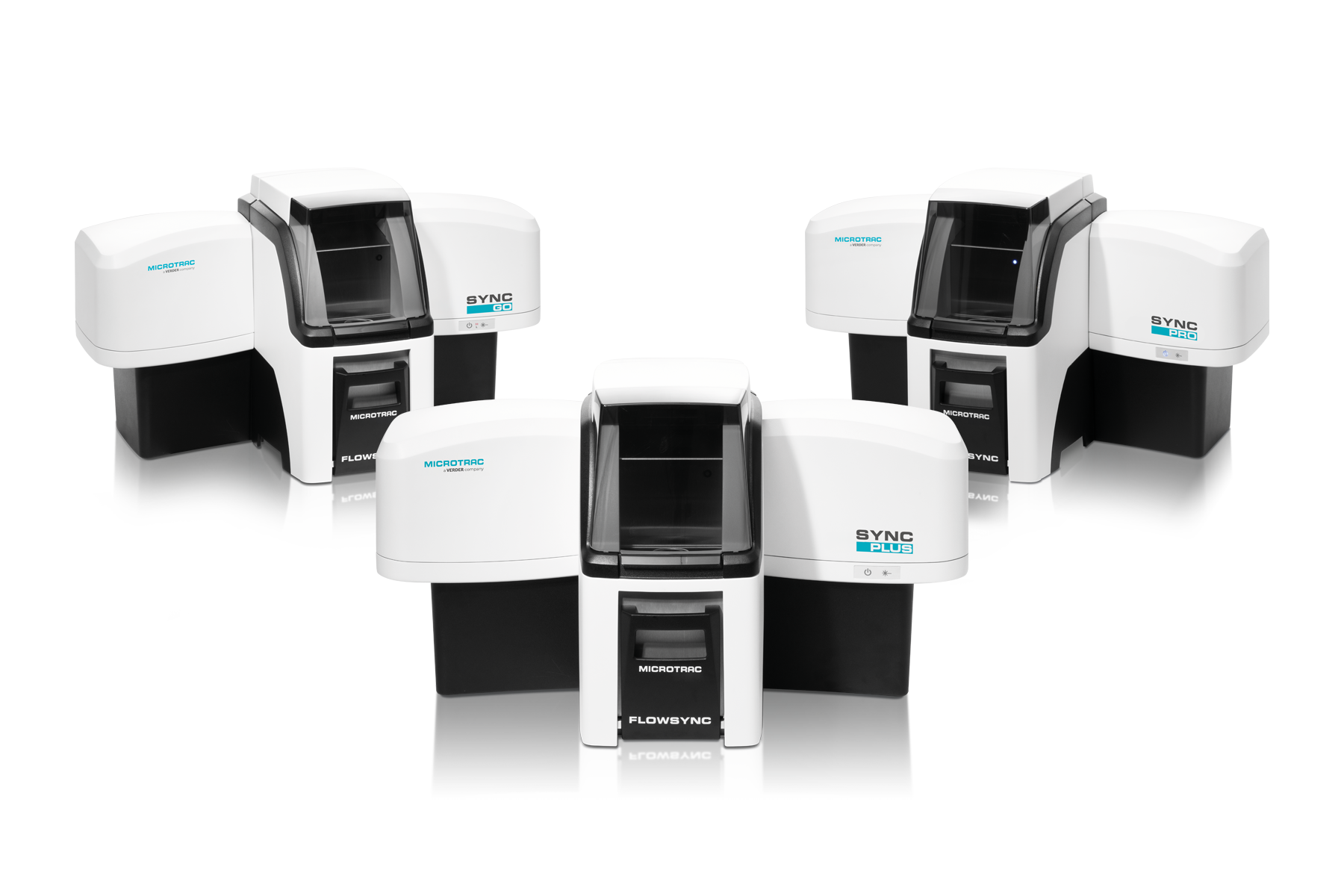
MICROTRAC SYNC kombinuje laserovú difrakciu a dynamickú analýzu obrazu na jednej platforme na meranie veľkosti a tvaru častíc v suchých a mokrých vzorkách. V pracovných postupoch s stavebnými materiálmi je to obzvlášť užitočné, keď sa rutinné meranie doplní obrazmi, informáciami o morfológii alebo detekciou neočakávaných hrubých materiálov.
- Meranie cementových pudrov, plniacich a zmesových stavebných materiálov v širokom rozmedzí veľkosti
- Porovnajte príchodné lôky surovín a produkčné lôky
- Detekovať hrubé častice alebo aglomeráty, ktoré môžu byť skryté v bulkovej distribúcii
- Pridajte obrázky častíc a informácie o tvaroch k rutinným meraniam veľkosti
- Podpora optimalizácie procesov a kontrola kvality zameraná na špecifikácie
Pre výrobcov cementu a formulátorov pomáha kombinácia distribúčných údajov a obrázkov častíc poskytnúť jasnejší pohľad na zmeny spôsobené mletím, premiešavaním alebo variáciou surovín.
Analýza veľkosti a tvaru agregátu: Písky, granuly, sklenené koráliky a vlákna
Šerstivé stavebné materiály sú často definované nielen veľkosťou, ale aj tvarom častíc. Úhlovosť, aspektové podiel, zaoblenosť a DIMENSIONS častíc môžu ovplyvniť tok, hustotu usadenia, utlačenie a vzájomné zapojenie v betóne, zmesách, injektách a materiáloch na cestné povrchy.
Toto robí dynamickú analýzu obrazu obzvlášť cennou pre piesky, agregáty, reflektívne sklenené koráliky, granuly krytov a inžinierske drevené vlákna a iné nepravidelné alebo vydlhnuté materiály. Informácie o forme môžu vysvetliť rozdiely v správaní, ktoré môžu byť zistené len z dát sievacej alebo rozloženia veľkosti.
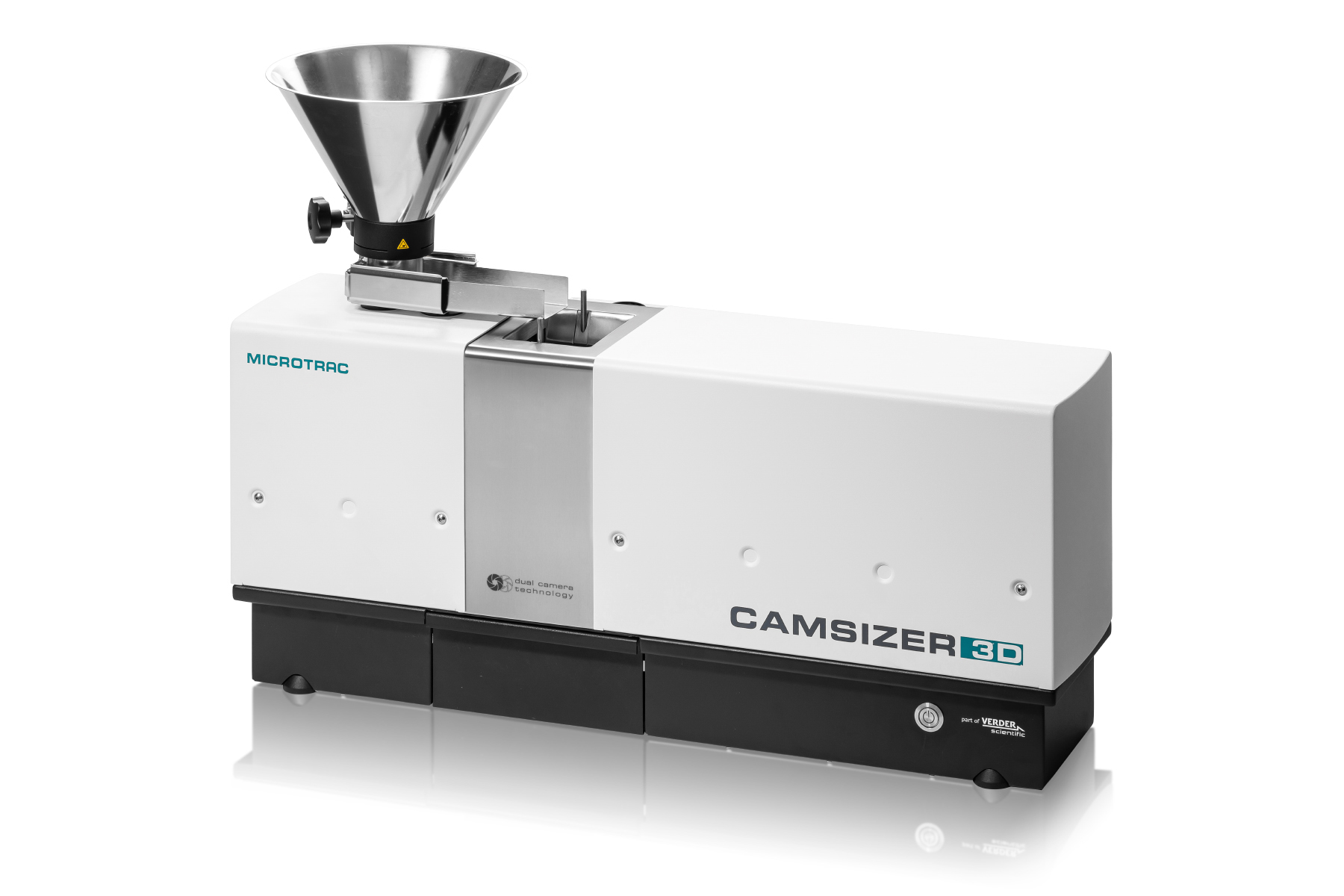
Kvantifikujte veľkosť a morfológiu pomocou CAMSIZER
Nástroje MICROTRAC CAMSIZER používajú dynamickú analýzu obrazu na meranie veľkosti a tvaru častíc v granulátoch, práškoch a vláknách. Technológia poskytuje kvantitatívne morfologické informácie pri identifikácii materiálu väčšieho a menšieho ako požadované v širokých rozpredeniach.
- Merajte dĺžku, šírku, aspektové podiel, zaoblenosť a súvisiace tvarové parametre
- Charakterizovať triedenie písku a agregátu spolu s morfológiou
- Skontrolujte konzistentnosť Sklenené koráliky a špeciálnych zrn.
- Analýza prírodných a umelých vlákien používaných v stavebných materiáloch
- Rýchle detekovanie frakcií mimo špecifikácie počas produkčnej kontroly
- Podporujte konzistentnosť dávok pri znižovaní závislosti na manuálnej hodnotení tvaru
Pre výrobcov, ktorí sa zaoberajú nepravidelnými časticiami, tento podrobný pohľad na jednotlivé častice podporuje informácie o kontrole kvality stavebných materiálov a môže pomôcť pri vyšetrovaní zmien v toku, usporiadaní alebo finálnej textúre.
Povrchová plocha a porová štruktúra v cementových materiáloch
Veľkosť častíc opisuje vonkajšie DIMENSIONS prášku, ale neopisuje úplne povrch dostupný pre reakciu ani vnútornú štruktúru poréznych materiálov. Preto sú dôležité špecifická povrchová plocha a poróznosť pre cementy, doplnkové cementové materiály ako letná peľná hmoty a škvára, ľahké agregáty a iné porézne stavebné zložky.
Tieto vlastnosti môžu ovplyvniť reaktivitu, spotrebu vody, adsorpčné správanie, hustotu materiálu a permeabilitu. V utvrdnutých materiáloch je porová štruktúra obzvlášť dôležitá pri vyšetrovaní mechanického výkonu, transportného správania a trvanlivosti.
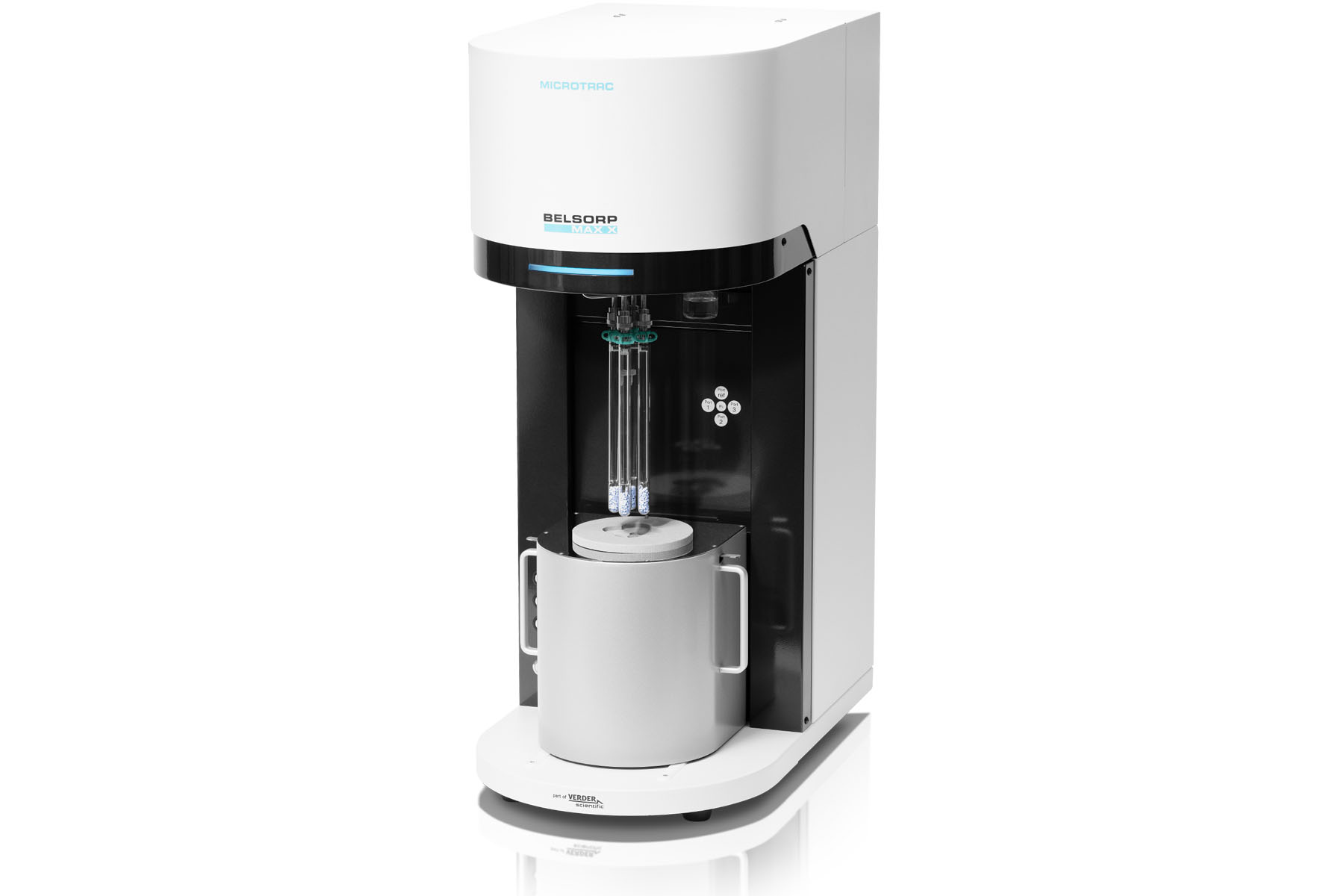
Meranie povrchovej plochy a jemných porov pomocou BELSORP
Séria MICROTRAC BELSORP používa techniky adsorpcie plynu na charakterizáciu špecifickej povrchovej plochy a rozpisov veľkosti porov v práškovách a poréznych pevných látkach. Merania dopĺňajú analýzu veľkosti častíc cementu tým, že odhaľujú povrchové a porové informácie, ktoré sa z rozpisov veľkosti samé neobdobú.
- Porovnanie cementov, pozzolanov, náplní a ľahkých agregátov
- Vyšetrite rozdiely v povrchovej ploche, ktoré ovplyvňujú reaktivitu a požiadavku na tekutinu
- Charakterizovať jemnú porovú štruktúru v poréznych stavebných materiáloch
- Podporujte štúdie zmiešania a vývoja materiálov, kde poréznosť ovplyvňuje výkon.
Analýza pórového štruktúry cementu po stuhnutí
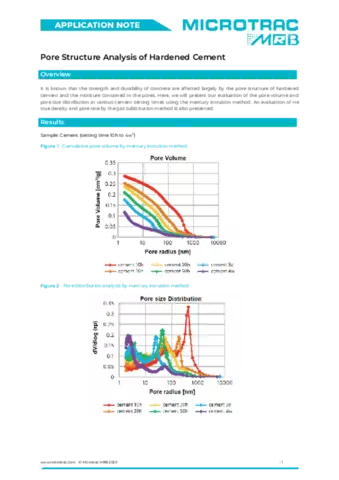
Keď sa cementové materiály ztvrdnú, porová sieť sa stáva kľúčovou súčasťou štruktúry materiálu. Rozpis veľkosti porov, celkový porový objem a skutočná hustota môžu poskytnúť pohľad na to, ako sa cementová matrica vyvíja a prečo materiály s podobnými zložkami môžu vykazovať odlišné transportné alebo mechanické správanie.
Microtrac ponúka komplementárne prístupy pre túto fázu analýzy: meranie intrúzie kviekorky pre široké rozpredenie veľkosti porov a plynovú pyknometriu pre meranie skutočnej hustoty používané pri výpočtoch poréznosti.
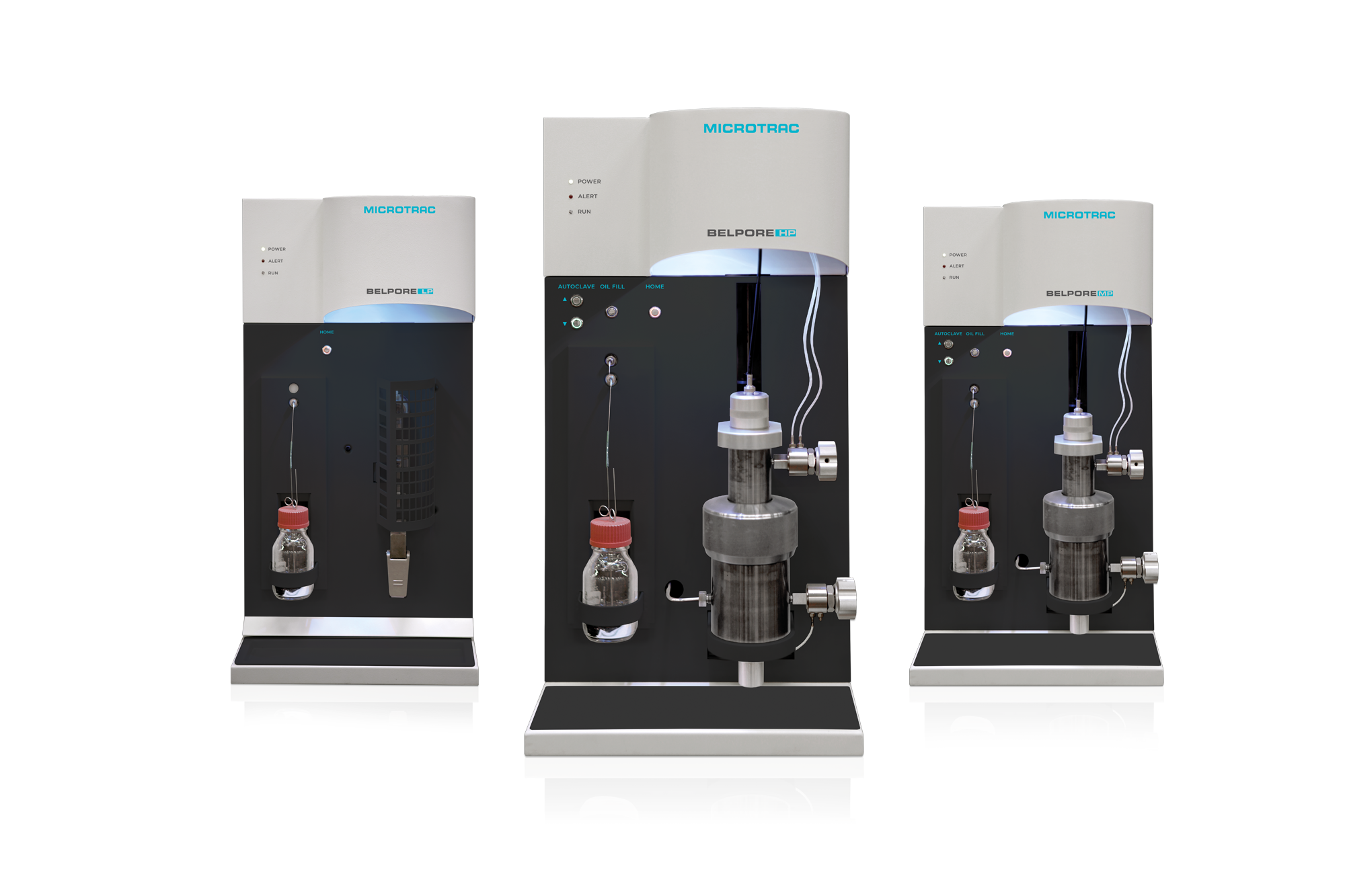
Charakterizácia rozloženia veľkosti porov s použitím BELPORE
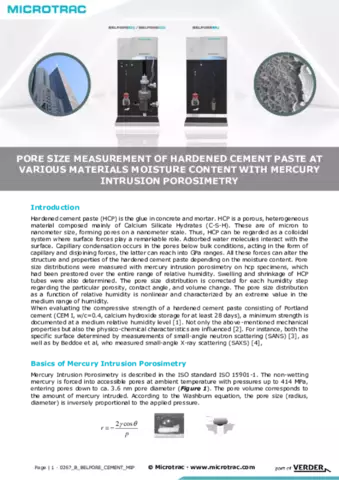
Porizometri Microtrac BELPORE na kvízovú intrúziu rtuti poskytujú merania veľkosti porov a objemu porov s vysokým rozlíšením v širokom rozmedzí. Zdrojový materiál zdôrazňuje ich použitie pre utvrdnutú cementovú pastu, vrátane možnosti analyzovať vlhké vzorky bez zmeny pôvodného obsahu vlhkosti.
- Meranie rozloženia veľkosti porov a objemu porov v utvrdnutom cementovom pastí
- Vyšetrite zmeny v porovej štruktúre pod rôznymi vlhkostnými podmienkami
- Porovnanie zložení cementov a mikroštruktúрных rozdielov súvisiacich s tuhnutím
- Podporovanie štúdií permeability, difúznemu správaniu a dlhodobej odolnosti
Analýza pórového štruktúry cementu po stuhnutí
Keď sa cementové materiály ztvrdnú, porová sieť sa stáva kľúčovou súčasťou štruktúry materiálu. Rozpis veľkosti porov, celkový porový objem a skutočná hustota môžu poskytnúť pohľad na to, ako sa cementová matrica vyvíja a prečo materiály s podobnými zložkami môžu vykazovať odlišné transportné alebo mechanické správanie.
Microtrac ponúka komplementárne prístupy pre túto fázu analýzy: meranie intrúzie kviekorky pre široké rozpredenie veľkosti porov a plynovú pyknometriu pre meranie skutočnej hustoty používané pri výpočtoch poréznosti.
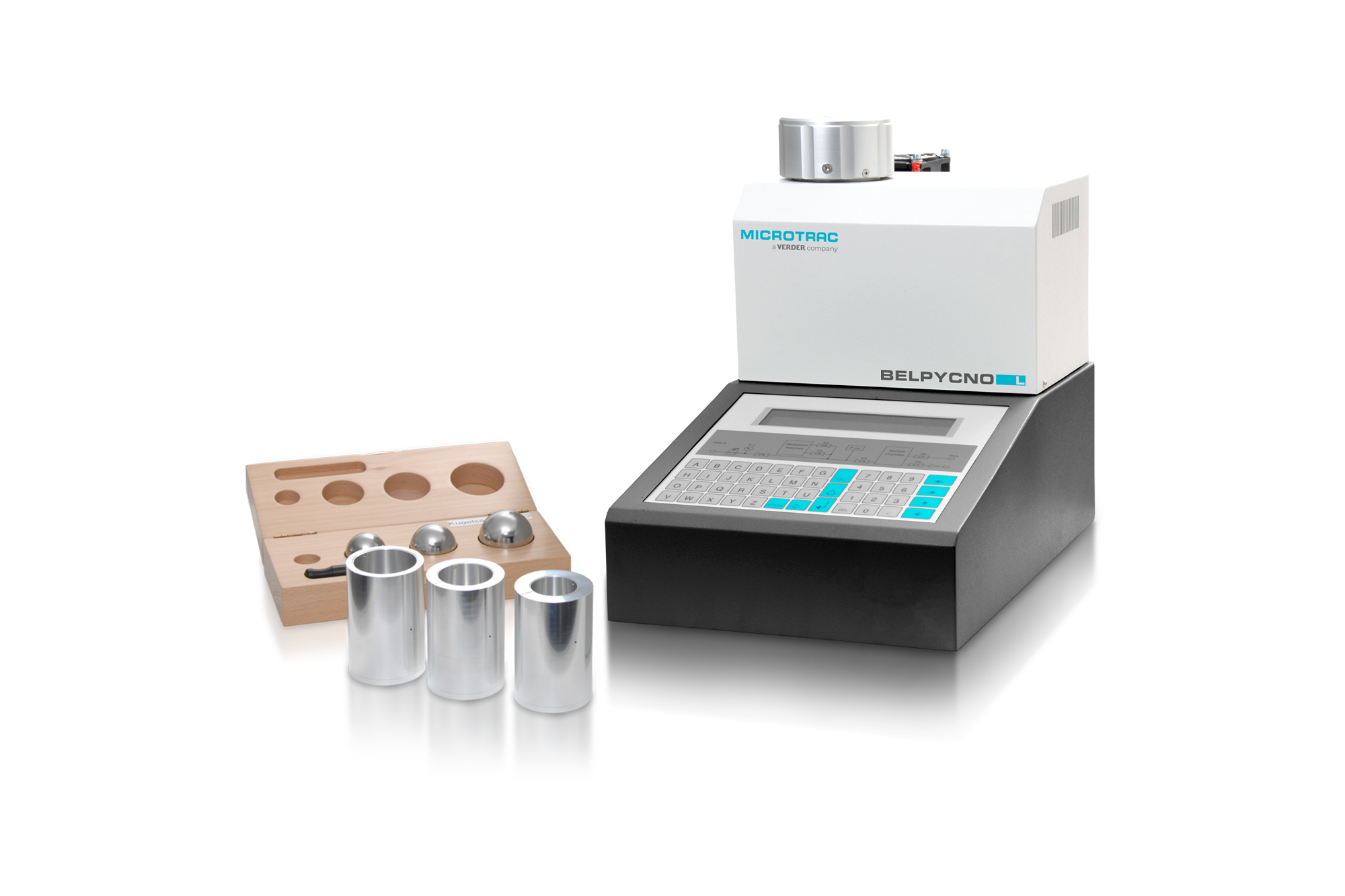
Pridať informácie o skutočnej hustote s BELPycno
Pycnometer s heliumovým plynom MICROTRAC BELPycno meria skutočnú hustotu cementových pevnlin. Používaný spolu s porozimetriou, informácie o hustote podporujú výpočty poréznosti a môžu pomôcť sledovať zjemnenie mikroštruktúry, keď sa cement hydratuje a utvrdzuje.
- Porovnanie skutočnej hustoty v rôznych fázach hydratácie cementu
- Vypočítajte poréznosť pomocou komplementárnej hustoty a údajov o objeme pórov
- Sledovať zasycajúce sa zpevnená cementová matrica
- Zásadite zmeny v štruktúre k trendom v pevnosti a permeabilite počas vývoja materiálu
Spoločne poskytujú BELPORE a BELPycno komplementárne štruktúrne informácie pre tímy, ktoré vyšetrujú, ako sa rozvíja pórová architektúra a hustota pevného materiálu v utvrdnutých materiáloch.
Zriedené štúdie karbonatácie pre betón a cement
Študie karbonatácie pridávajú iný rozmer k charakterizácii stavebných materiálov tým, že skúmajú, ako hydratované cementitické materiály interagujú s oxidom uhličitý pod kontrolovanými podmienkami. To môže podporiť porovnanie formulácií pre výskum odolnosti a vývoj súvisiaci s udržateľnosťou.
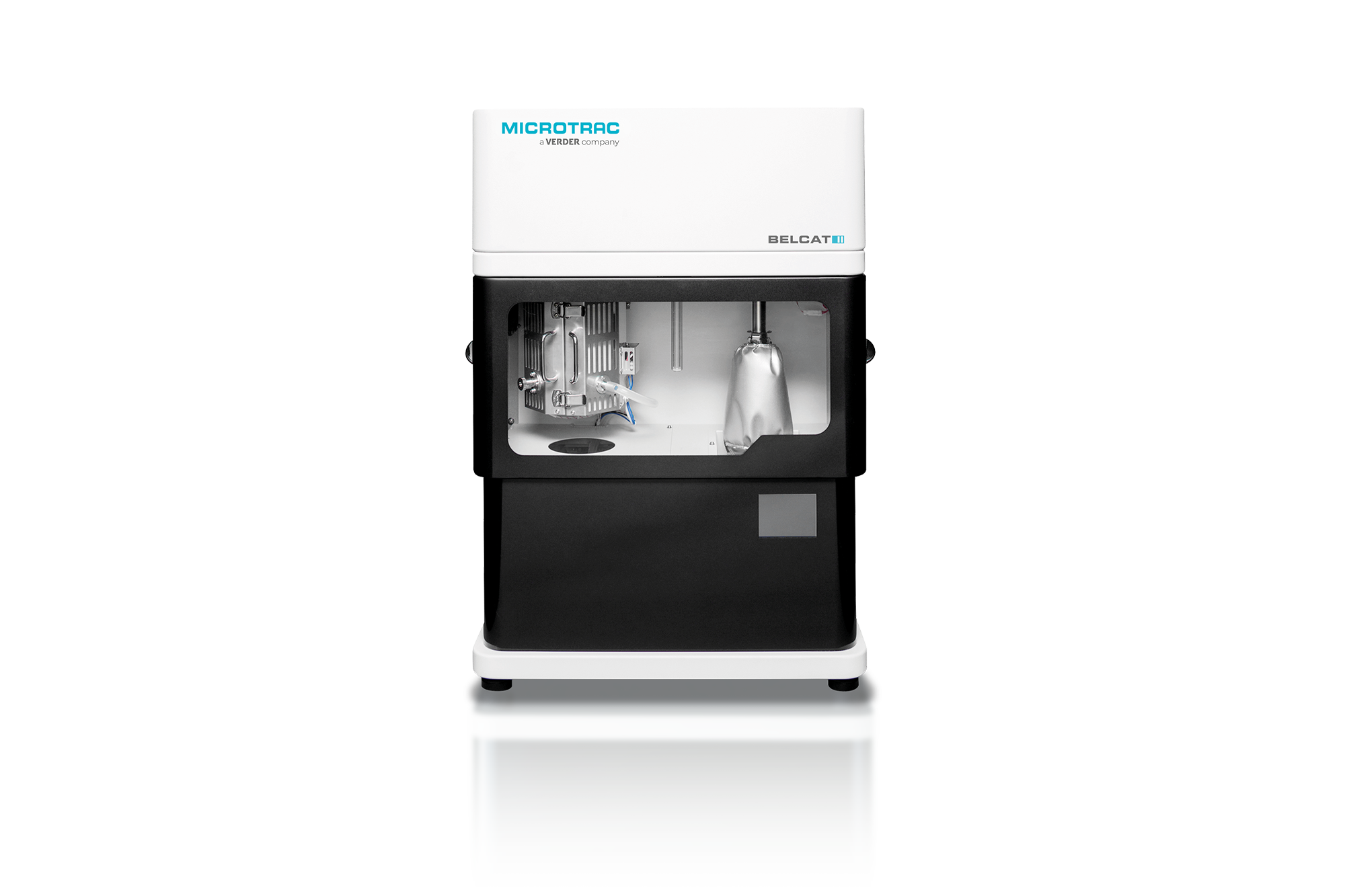
Študovať interakciu CO2 s BELCAT II
MICROTRAC BELCAT II, používaný s BELMASS II v zdrojovej aplikácii, podporuje zrýchlené testovanie karbonatácie prostredníctvom dynamickej plynového sorbovania a meraní preniknutia. Metóda môže monitorovať interakciu CO2 s hydratovanou cementovou pastou pod kontrolovanými teplotnými a relatívnou vlhkosťou.
- Porovnanie karbonatizačného správania medzi cementovými formuláciami
- Vyšetrite, ako vlhkosť mení chovanie reakcií
- Vyhodnotiť absorpciu CO2 a súvisiace plynové-pevné interakcie počas zrýchlených testovacích období
- Podporovať porovnávanie odolnosti a výskum cementových materiálov s potencielom zachytávania uhlíka
Táto aplikácia poskytuje výskumníkom stavebných materiálov spôsob, ako prekročiť merania veľkosti častíc a pórov, keďže otázka výkonu zahŕňa interakciu plynu s utvrdeným materiálom.
Suspenzie, Prísady a Interakcie častíc
Cementové kaše, náplňové suspenzie, pigmenty a systémy tekutých prísad môžu flokulovať, sedimentovať alebo sa odmiennie správať na rozpúšťavacie látky. Tieto zmeny môžu ovplyvniť dávkovanie, tok, pracovitosť a konzistenciu formulácie pred tým, než sa materiál nasadí alebo vytvrdne.
Merania interakcie častíc a stability sú preto užitočné, keď výzva nie je veľkosť surového prášku samého, ale ako sa častice správania po rozptýlení v tekutom prípravku.
Analýza nanoskupin so pomocou NANOTRAC FLEX
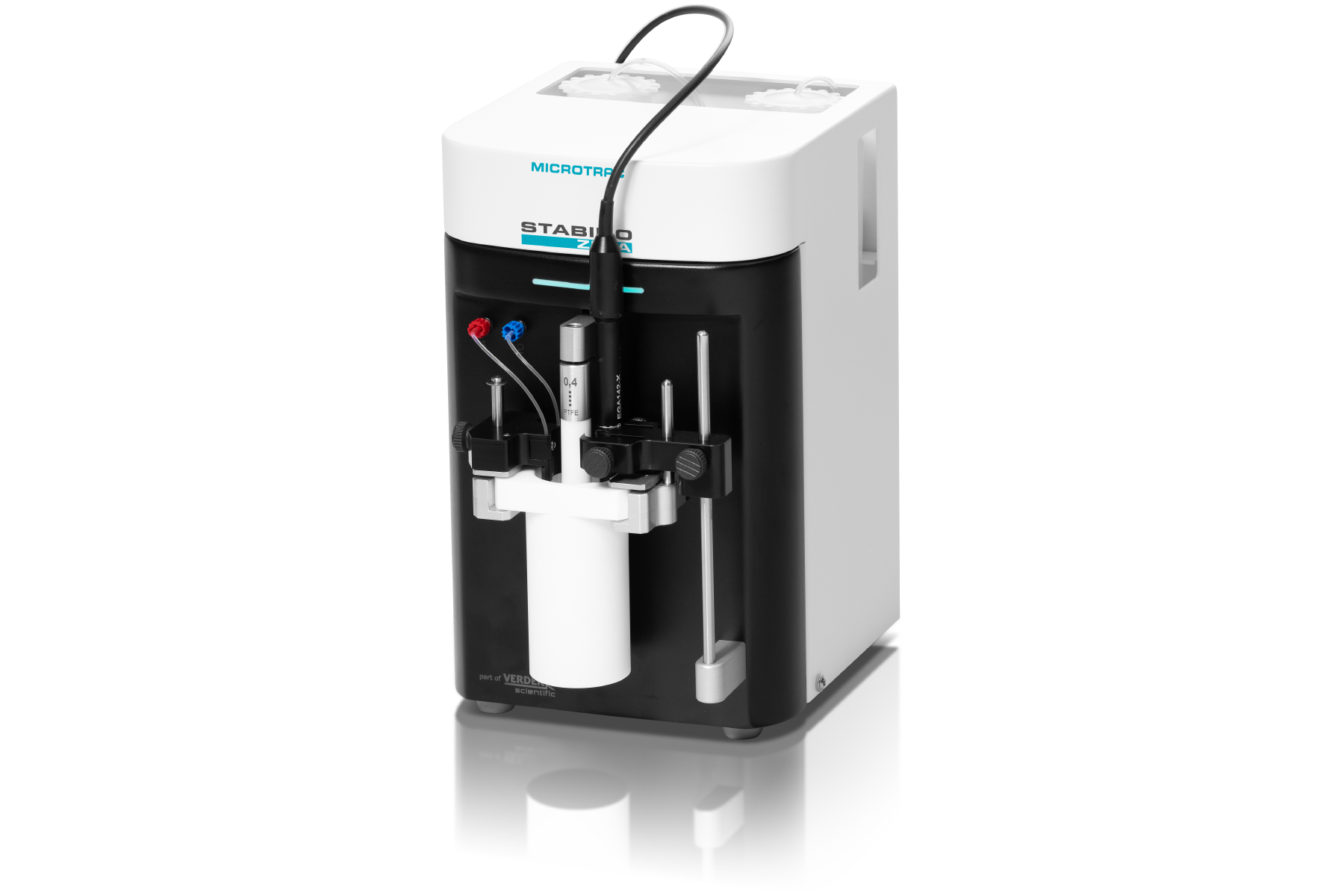
MICROTRAC STABINO ZETA používa analýzu prúdenového potenciálu na meranie Potenciálu Zeta v koncentrovaných disperziách. Pre stavebné zmesi môže to pomôcť porovnať, ako časky reagujú na prísady alebo podmienky disperzie a identifikovať zmeny spojené s rizikom aglomerácie.
- Porovnanie interakcií častíc v cementových a náplňových suspenziách
- Vyhodnoťte účinok dispergovacích činidiel a podmienení príspevkov
- Vyšetrite tendencie flokulácie alebo koagulácie
- Podpora formulácie práce zameranej na rovnováhu a rovnomernosť suspenzie
Suspenzie, Prísady a Interakcie častíc
Cementové kaše, náplňové suspenzie, pigmenty a systémy tekutých prísad môžu flokulovať, sedimentovať alebo sa odmiennie správať na rozpúšťavacie látky. Tieto zmeny môžu ovplyvniť dávkovanie, tok, pracovitosť a konzistenciu formulácie pred tým, než sa materiál nasadí alebo vytvrdne.
Merania interakcie častíc a stability sú preto užitočné, keď výzva nie je veľkosť surového prášku samého, ale ako sa častice správania po rozptýlení v tekutom prípravku.
Detekcia sedimentácie a flokulácie pomocou TURBISCAN
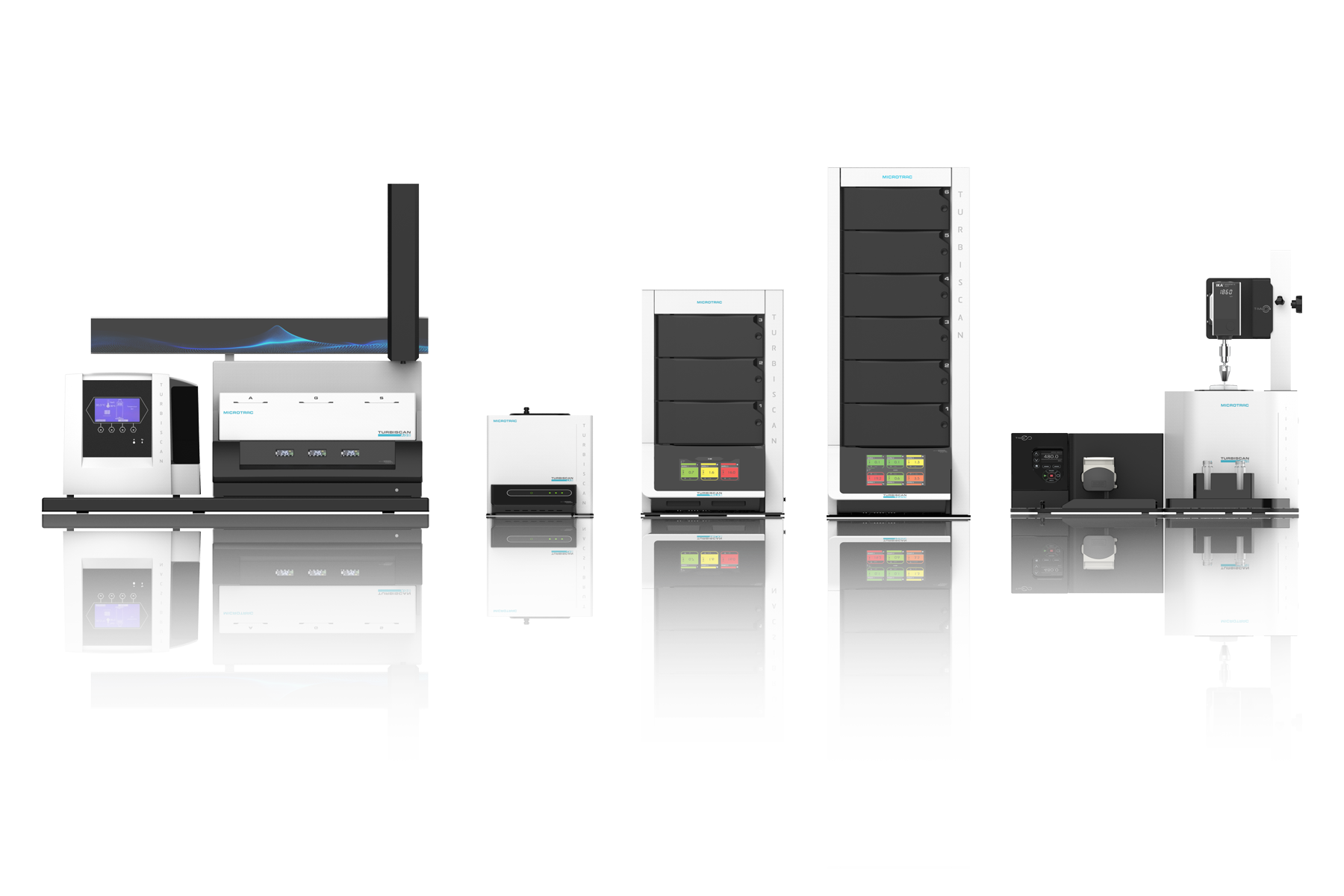
Séria MICROTRAC TURBISCAN používa statický viacnásobný rozptyl svetla na monitorovanie destabilizácie v koncentrovaných kašách a suspenziách. Môže detekovať sedimentáciu, flokuláciu a agregáciu pred tým, kedy sa zmeny stanú zjavné vizuálnou kontrolou.
- Porovnajte fyzickú stabilitu minerálnych alebo pigmentových kaš
- Monitorovanie sedimentácie a agregácie v koncentrovaných suspenziách
- Posúdiť zmeny formulácie bez toho, aby sa spoliehali len na dlhé vizuálne testy na policiach
- Podpora vývoja konzistentnejších systémov príspevkov a špecializovaných prísadok
Spoločne môžu Stabino Zeta a TURBISCAN rozlíšiť otázky týkajúce sa interakcie častíc a fyzické chovanie stability, ktoré sa vyvíja časom.
Zoznamujte analytickú techniku s stavebným materiálom
Príklady stavebných materiálov sa líšia od jemných cementových pudrov až po hrubé agregáty a tuhé porézne pevné látky. Výber techniky podľa stavu materiálu a cieľa merania udržuje analýzu zameranú a zabraňuje núteniu jednej metódy na nevhodné rozmedzia veľkosti alebo typy vzoriek.
Rozpredelenia veľkosti častíc pre cement, minerálne prášky, plniacich materiálov a zmesové materiály, s doplnkovými obrázkami častíc a informáciami o forme.
Podrobná analýza veľkosti a tvaru agregátu pre piesky, granuly, sklenené koráliky, vlákna a široké rozpredenie častíc.
Špecifická povrchová plocha a charakterizácia jemnej porovej štruktúry cementových práškov, pozvolánov a poróznych materiálov.
Rozpis veľkosti porov a analýza objemu porov u utvrdzenej cementovej pasty a iných poréznych stavebných materiálov.
Meranie skutočnej hustoty na podporu výpočtov poróznosti a štúdií rafinácie cementovej mikroštruktúry.
Zrýchlené karbonatovanie a štúdie interakcie plynu s pevným telom pre cementové materiály.
Vyšetrovanie interakcií častíc a rozptývacích podmienok v cementových kašách, plniacich a prísadných systémoch.
Monitorovanie sedimentácie, flokulácie a agregácie v koncentrovaných suspenziách a systémoch špecializovaných prísad.

Kľúčové aplikácie v stavebných materiáloch
- Analýza veľkosti častíc cementu a porovnanie kontrola mletia
- Agregátová veľkosť a tvarová analýza pískov a zmesových stavebných materiálov
- Kontrola kvality Sklenené koráliky, škrupín na strechu a iných špecializovaných častíc
- Morfológia hodnotenie prírodných a umelých vlákien
- Kontrola kvality stavebných materiálov pri prichádzajúcich surovinách a produkčných dávkach
- Analýza špecifickej povrchovej plochy a poróznosti cementov, pozvolánov a ľahkých agregátov
- Analýza porovej štruktúry cementu v utvrdenom pastí a poréznych materiáloch
- Študie skutočnej hustoty a poróznosti počas hydratácie cementu
- Zrýchlené štúdie karbonatácie betónu a hydratovaných cementových materiálov
- Analýza Potenciálu Zeta cementových kaš, plniacich a systémov prísadiek
- Sedimentácia, flokulácia a testovanie stabilitye disperzií v stavebných suspenziách
Poznámky k aplikácii a technické zdroje
Prejdite si praktické príklady pokrývajúce veľkosť cementových častíc, široké distribúcie stavebných materiálov, piesky, granuly, vlákna, pórovú štruktúru a interakcie častíc. Vyberte si názov aplikácie nižšie, aby ste otvorili príslušný PDF zdroj MICROTRAC.
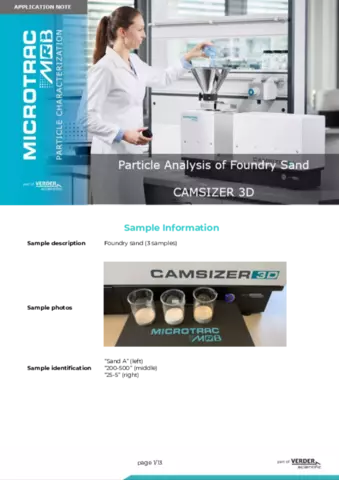
Particle Analysis of Foundry Sand
The Camsizer 3D allows fast and reliable characterization of foundry sand. The results are 100% compatible with traditional sieve analysis with a measurement time of less than 5 minutes and no cleaning or maintenance required.
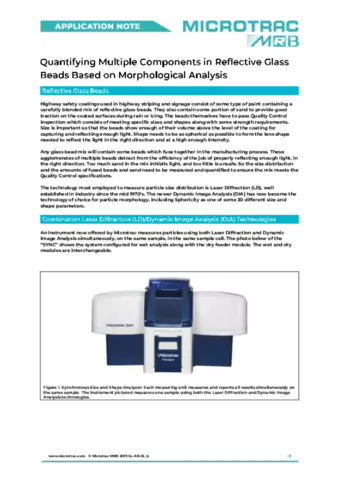

Roof Shingle Granules
Replacing Sieve Analysis with 3D Dynamic Imaging Technology: Roofing Shingle Granules Application Example




Charakterizujte rozsah veľkosti celého stavebného materiálu
Finé cementové prášky, hrubé agregáty, tekuté suspenzie a tuhé porézne materiály sa nemôžu posúdiť len jedinou analytickou technikou. Špecialisti aplikácií Microtrac môžu pomôcť definovať pracovný postup charakterizácie na základe typu vzorky, požadovaného rozmedzia veľkosti a otázky týkajúcej sa kvality alebo výkonu.
Požiadajte o prehliadku aplikácie alebo vzorkovanie s špecialistom Microtrac.